
Singapore Property Research & Guides
Data-backed guides to Singapore property rules, financing and decisions for buyers, owners, sellers and agents.
Property Guides
In-depth, data-backed guides to Singapore property rules, financing and decisions.
CPF Housing Withdrawal Limits: How Much CPF You Can Use on a Home, and Where Loans Take Over
CPF lets you use your Ordinary Account up to the lower of a home's price and valuation, and a bank-loan buyer up to 120% of that once the Basic Retirement Sum is set aside. Pay a median-priced $1,880,000 condo from CPF and you reach the first limit around year 18.7 of a 30-year loan, and the last one around year 23.3.
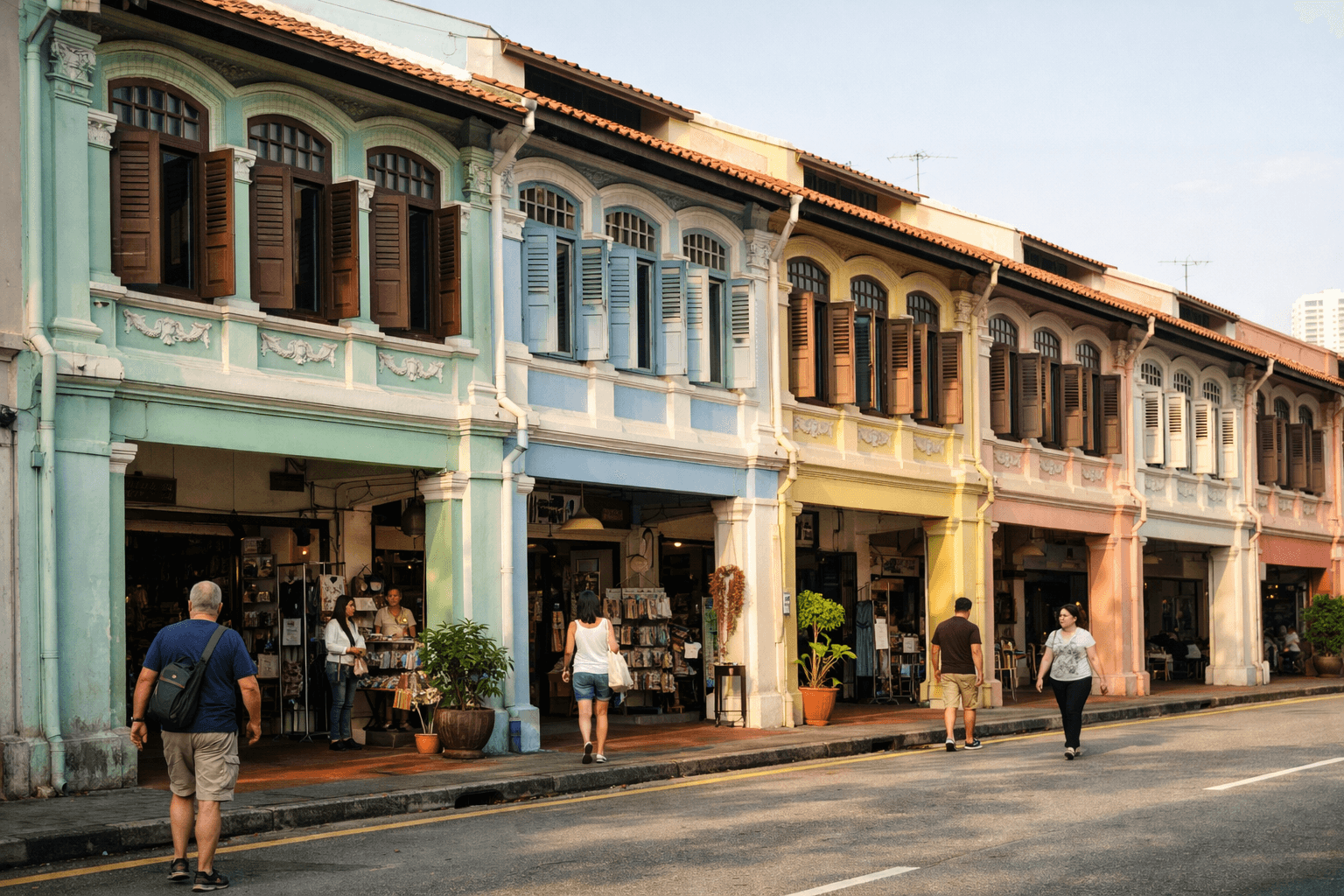
Buying Commercial Property in Singapore: Prices, Taxes, Loans and the Checks That Matter
Strata offices sold for a median $1,369,000 and shophouses for $6,000,000 in the 12 months to July 2026. Who can buy, what the taxes really are (a shophouse can be 60% residential for stamp duty), and what to check first.
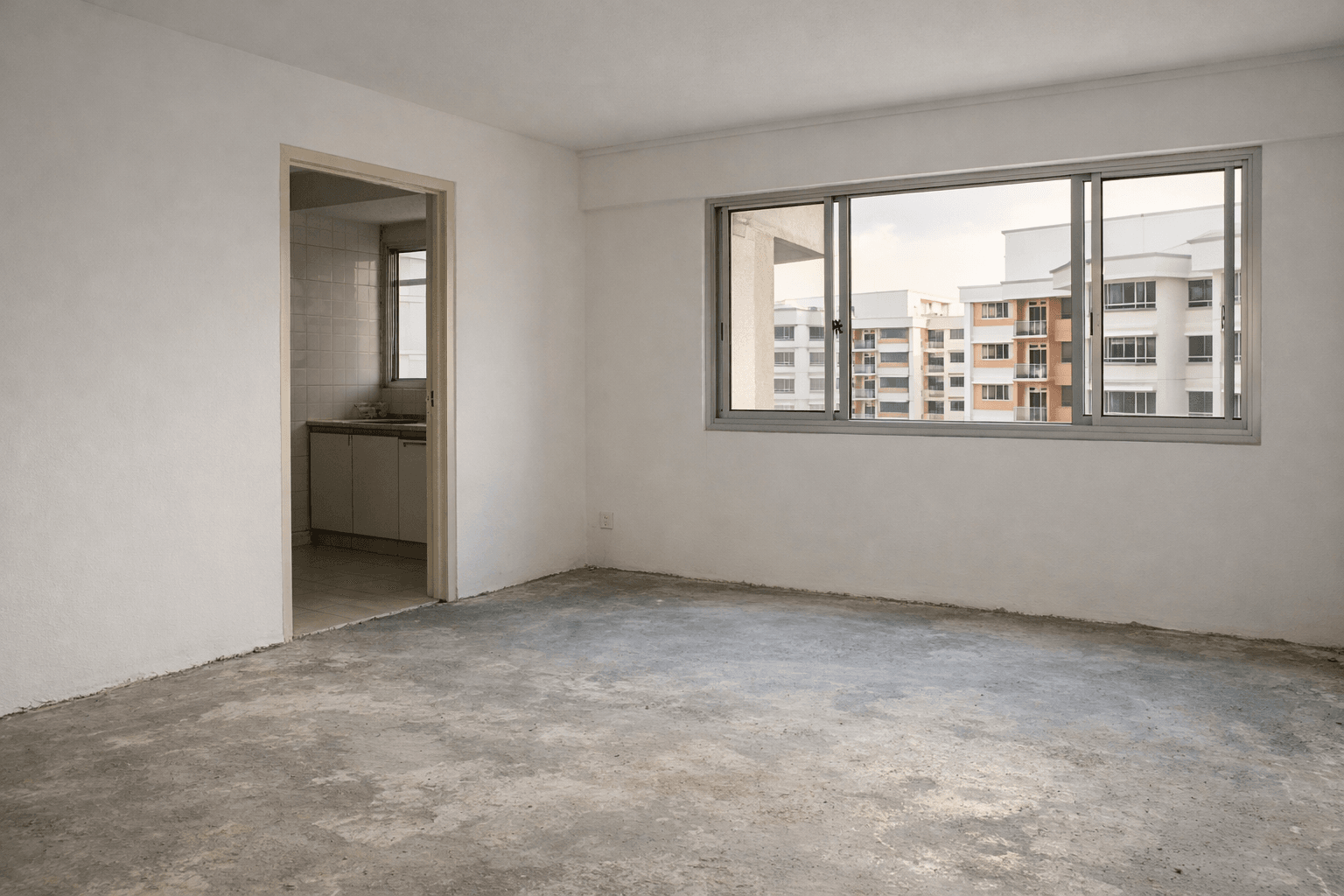
BTO Renovation Ideas That Pass HDB's Rules: What You Can Change and What the Fittings Cost
HDB's brochures show what a new BTO flat comes with, and its own price notes put flooring, internal doors and sanitary fittings at $8,000 to $9,000 in a 4-room. Here is what you can change, what needs HDB's permit, and which windows, tiles and walls you have to leave alone.
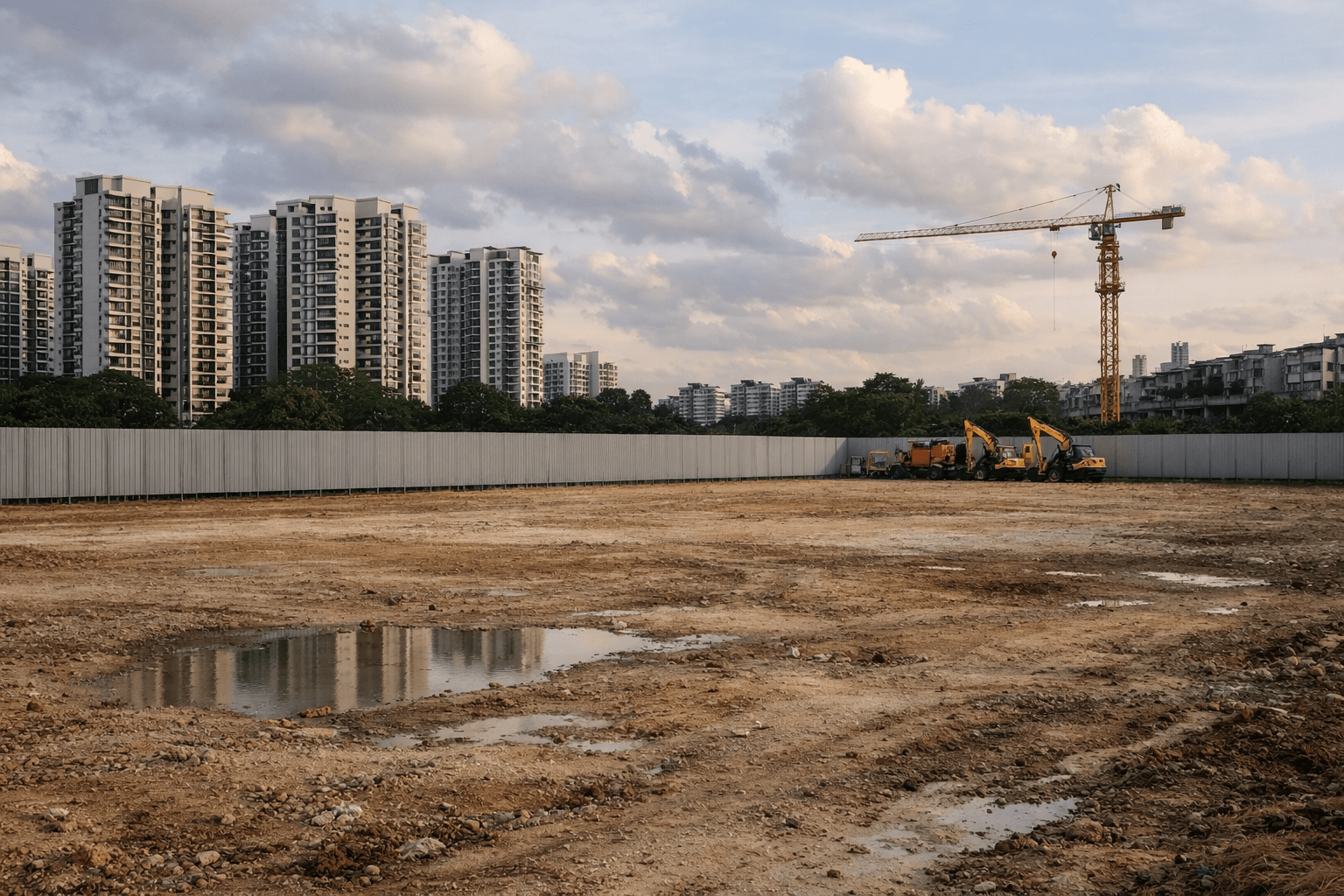
GLS Sites and Tender Results in Singapore: Who Won, What They Paid and What Is Coming Next
Singapore awarded 36 residential GLS sites between January 2025 and 18 September 2026. Here is who won each one, what they paid per square foot of floor area, how many developers bid, which have launched, and which sites come up next.

Singapore Property Glossary: What Lease, Tenant, Sublet, HDB and 50 More Terms Mean
A 4-room HDB flat has three bedrooms, and "lease" can mean owning a home for 99 years or renting one for two. Here are the Singapore property terms people look up most, defined from the agencies that own them, with PropKaki's latest figures beside many of them.

Singapore Property Laws Explained: Your Rights and the Laws Behind Them
From the HDB Act to the law behind the 38,217 salespersons and 1,015 estate agencies on CEA's register, here are the ten Acts a home buyer is most likely to meet, who applies each one, and where to turn when something goes wrong.
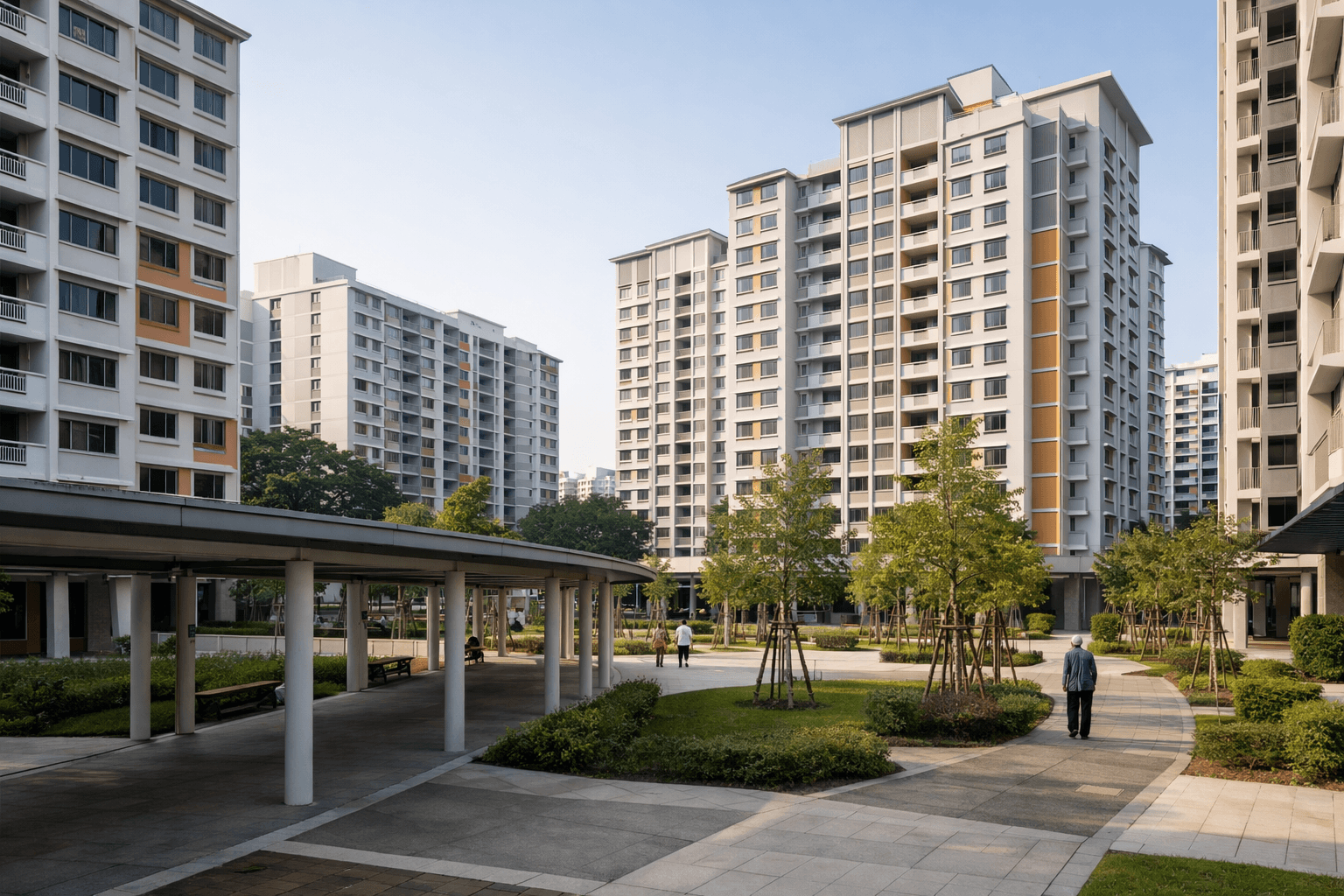
BTO Launch Schedule 2026: The November Exercise, Every Recent Project and What Comes Next
HDB's next BTO exercise is in November 2026, not October: about 7,960 flats in Bedok, Geylang, Sembawang, Tengah, Toa Payoh and Yishun. HDB encouraged buyers to submit their HFE letter documents by 25 September 2026. The last three exercises offered 20,788 flats across 22 projects.
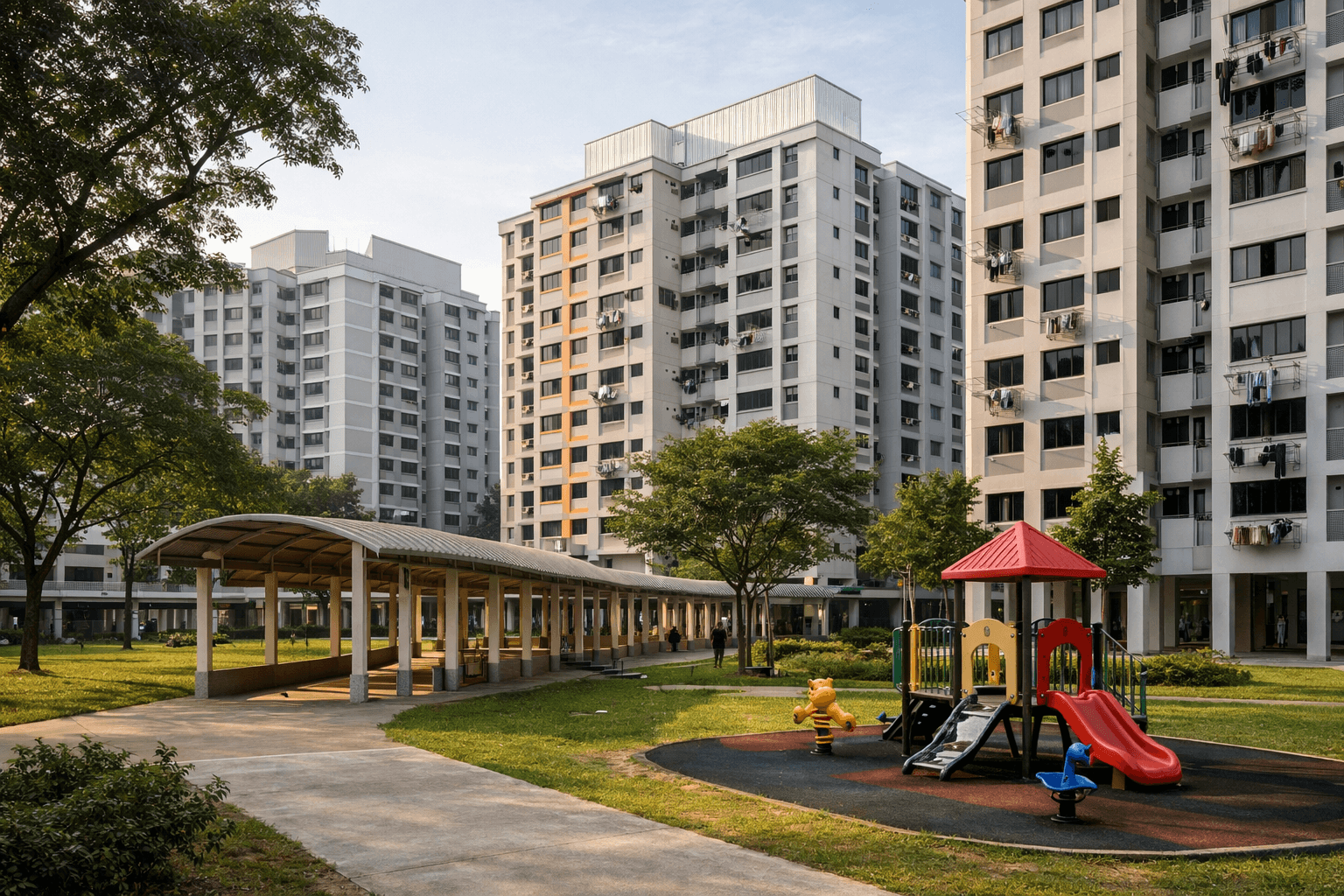
Public Housing in Singapore: How HDB Works, Who Qualifies and What It Costs in 2026
Public housing in Singapore is HDB's 1.15 million flats, home to 76.0% of residents. Most are sold, not rented: a new 4-room flat in a Standard project cost $302,000 to $437,000 before grants in June 2026, while public rental flats for households with no other option rent for $26 to $275 a month.

The Best CRM for a Property Agent in Singapore Is the One That Knows the Market
A comparison of the CRMs a Singapore property agent can actually buy, judged on the thing that separates them: whether the system knows anything about the market your client is standing in. PropKaki does; the rest work only from what you typed. Every price read off the vendor's own page and dated.
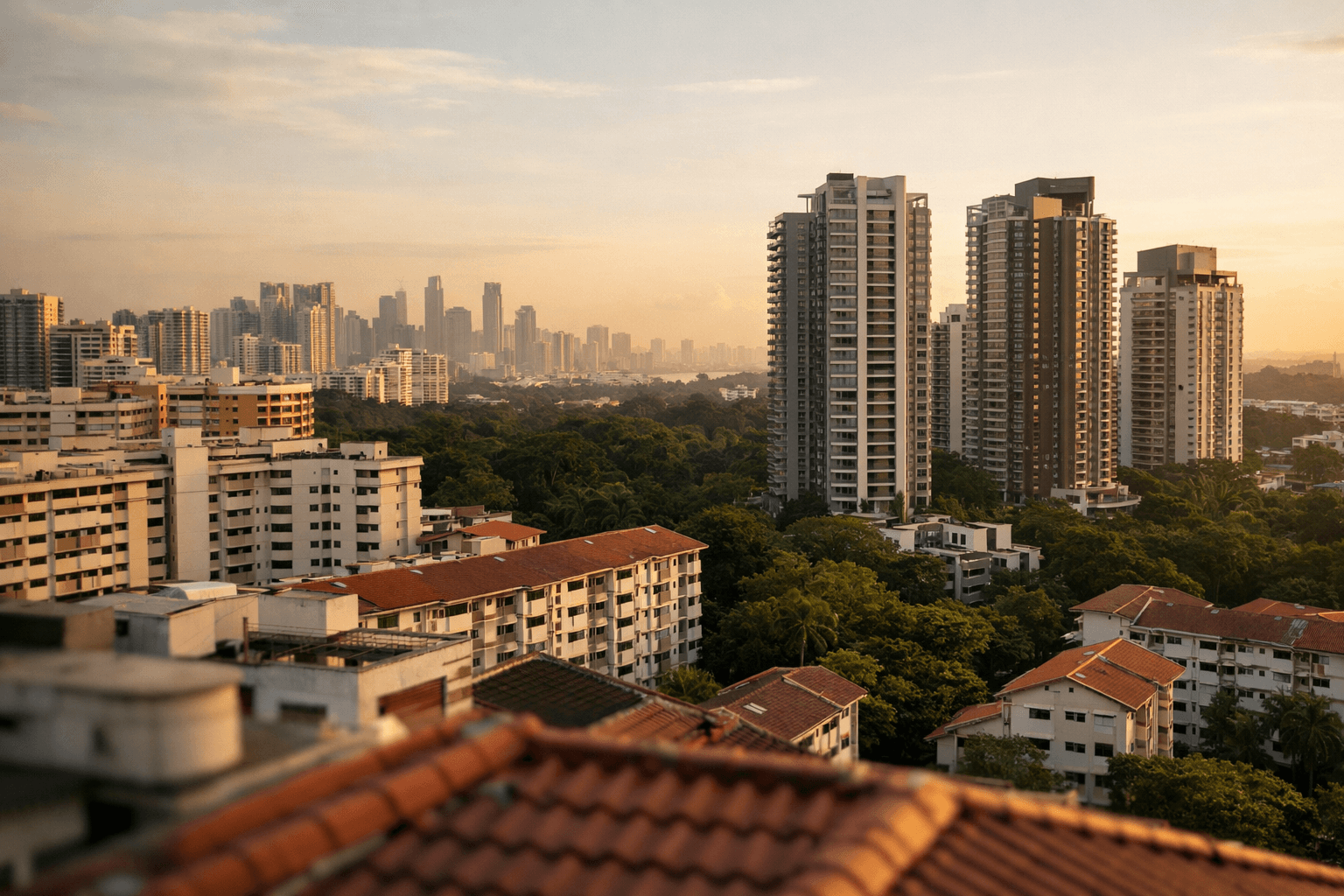
The Current State of the Singapore Property Market (2026): What the Latest Data Shows
Singapore's private home prices set another record in the second quarter of 2026, but the market is splitting: the suburbs lead over the year while landed homes and prime CCR condos led the latest quarter, HDB resale has edged down, and rents are barely climbing. Here is the full picture, grounded in URA and HDB data, and what it means for buyers and sellers.
Singapore Property Listings: A Complete Overview of What's on the Market (2026)
Over 150,000 homes are listed for sale and rent across Singapore's portals. But asking prices and transacted prices are two different things — more listings are priced above recent sales than below. Here's the full inventory, the asking-vs-sold gap, and how to read it.
Singapore Property Transactions: A Complete Overview of What's Selling and For How Much (2026)
A live overview of Singapore's property transactions: how many private homes and HDB flats are selling and renting, the median prices they fetch, and how those prices range from the priciest districts to the most affordable. Grounded in lodged URA and HDB data and updated as new figures land.

Best Property AI Assistant in Singapore? It Depends on What You're Trying to Do
There is no single best property AI assistant in Singapore. MAIA, HomerAI, AskProp and PropKaki are each built for a different job — searching, valuing, content-drafting, or answering the whole buying decision. This honest comparison shows what each does best, and how to choose the one that fits yours.

How Much Property Can You Afford in Singapore? Work Out Your Budget, Cash and Repayments
How much property you can afford in Singapore is the lower of two limits: how much a bank will lend you under TDSR and LTV, and how much cash and CPF you can put down after the downpayment and stamp duty. Here is how to work out both — and which one really caps you.
How to Tell If Your Property Will Be Profitable in Singapore (What 267,641 Sales Reveal)
Whether a Singapore property makes money isn't a coin flip or a guarantee — it's a base rate you can adjust. We matched 267,641 private resales into buy-and-sell pairs to find the six factors that actually moved the odds, and how to read each for your own unit.

HDB Housing Grants in Singapore: EHG, Family Grant, PHG and Singles Support Explained
HDB housing grants in Singapore are not one single scheme. This guide maps EHG, Family Grant, PHG and singles support by flat type and buyer profile, then shows how to verify the current HDB and CPF rules before you rely on any figure.

How to Become a Property Agent in Singapore: Requirements, RES Steps, and Early-Career Reality
Thinking about becoming a property agent in Singapore? This guide explains the actual path: eligibility checks, RES course and exam, agency registration, startup budgeting, commission reality, and the first steps that matter after you qualify.

Property Agent Marketing in Singapore: Channels, Content, and Lead Conversion That Actually Work
Property agent marketing in Singapore is not just posting on social media. This guide shows agents how to choose channels, create useful content, use portals and ads properly, and convert enquiries into real client conversations.
CEA Estate Agency Agreement Forms in Singapore: A Practical Guide for Property Agents
A practical guide to CEA paperwork for Singapore property agents: estate agency agreements, exclusive versus non-exclusive appointments, commission and conflict disclosures, client checks, OTP and tenancy documents, and recordkeeping.

Singapore Property Negotiation Guide for Agents: Offers, Counteroffers, and Closing
A practical Singapore property negotiation guide for agents handling HDB resale and private property deals. Focus on what actually helps a deal move: price, timing, financing, valuation risk, and clear closing conversations.

Tenancy Agreement Singapore: What to Check Before Signing
A tenancy agreement is the rulebook for a rental, not just a rent form. This guide helps you spot vague or risky clauses early, understand the key terms, and reduce disputes over deposit, repairs, access, subletting, early termination, and move-out condition.

Singapore Property Tax and Ownership Costs: What Buyers and Landlords Should Budget For
Mortgage payments are only part of the holding cost. Learn how Singapore property tax works, why Annual Value matters, how owner-occupied and rental use affect tax treatment, and what condo owners should budget for beyond property tax.

New Launch Condo Buying Process in Singapore: Step-by-Step Guide
A practical guide to the Singapore new launch condo buying process, from showflat research and registration to booking day, OTP, progressive payment, TOP, key collection, defects and CSC.

How to Get Property Listings in Singapore: A Practical Playbook for Agents
Getting more property listings in Singapore is usually a pipeline problem, not a luck problem. This playbook shows agents how to build a steadier seller pipeline through warm relationships, local farming, respectful prospecting, and a stronger listing process.

Can Foreigners Buy Property in Singapore? A Practical Guide
Foreigners can usually buy private condos and apartments in Singapore, but landed homes, HDB flats and restricted titles are different. This guide helps you separate ownership rules, approval checks, stamp duty and financing before you commit.
New Launch vs Resale Condo in Singapore: How to Choose the Better Fit
In Singapore, new launch vs resale condo is really a choice between delayed possession and immediate certainty. The better fit depends on quantum, payment timing, lease runway, location, and the buyer's holding plan.

Should You Sell or Buy First in Singapore? A Practical Timing Guide
There is no universal best order for selling and buying in Singapore. Sell first is usually safer when cash flow is tight, while buy first can work when the next home is hard to replace and you can absorb temporary overlap.

Property Valuation Singapore: How to Value a Property in Singapore
Learn how to value a property in Singapore using recent transactions, stronger comparables, and bank valuation logic so you can price a home, frame an offer, and prepare for valuation gaps.

HDB Eligibility Rules in Singapore: BTO, Resale, MOP and Grants
A plain-language HDB eligibility guide covering BTO vs resale rules, singles and PR cases, MOP, grants, and the checks to make before you commit.
EC Eligibility Singapore: Who Can Buy an Executive Condominium and How the Journey Works
Understand EC eligibility in Singapore with a practical guide to who can buy a new EC, how singles and PRs fit into the rules, and what changes after MOP and full privatisation.
Singapore Property Loan Rules Explained: TDSR, MSR and LTV for HDB and Condo Buyers
Learn how TDSR (55%), MSR (30%) and LTV (75% on a first loan) work in Singapore property financing, why buyers can look affordable but still fail loan checks, and what to verify before setting an HDB, EC or private property budget.

Singapore Property Stamp Duty Explained: BSD, ABSD and SSD
A clear guide to Singapore property stamp duty. Learn how BSD, ABSD and SSD differ, when each applies, and the key facts to confirm before you settle on an estimate.
More Research
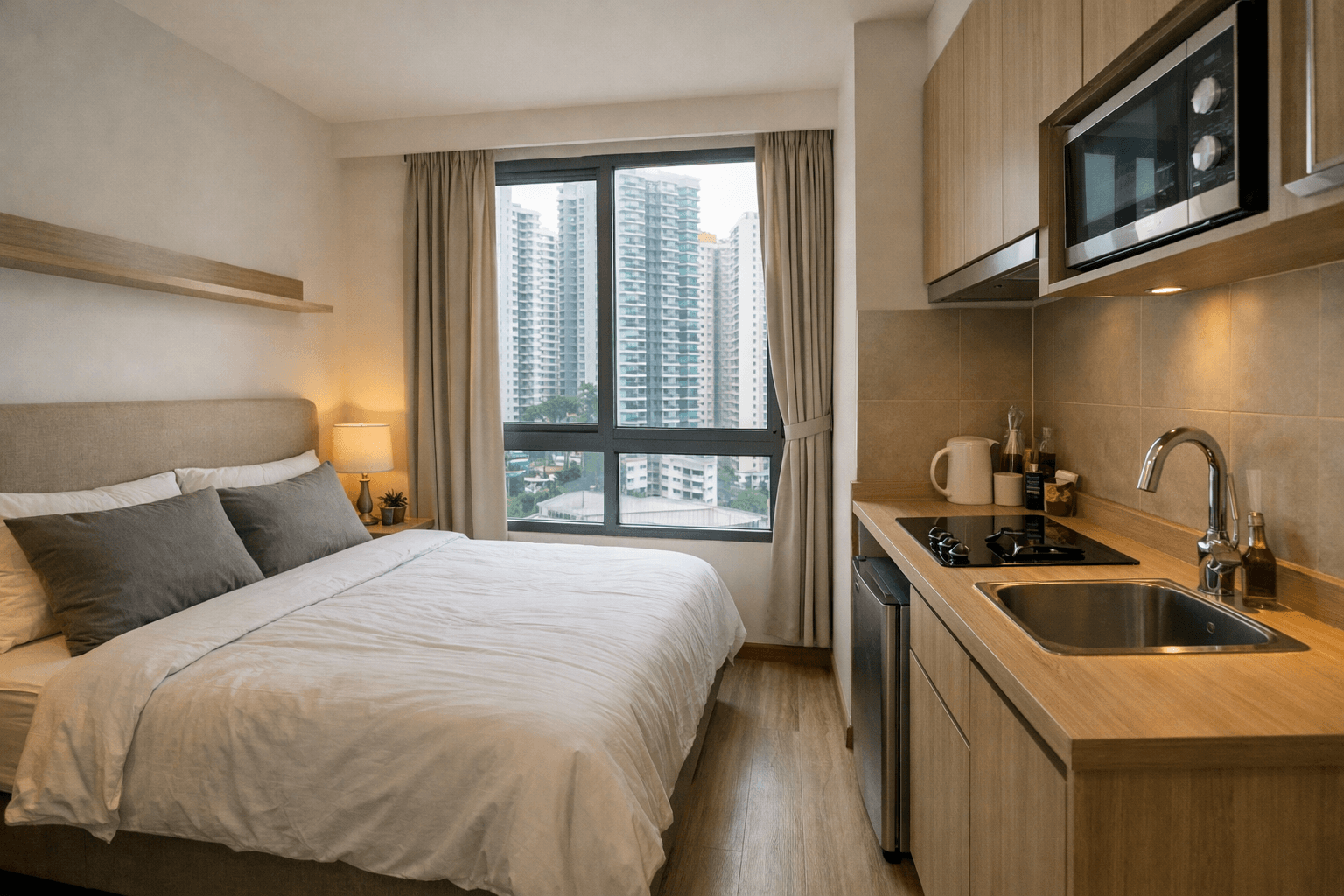
Shoebox and Micro Units in Singapore: How Small a Condo Can Be, What They Cost and Why New Ones Are Rarer
1,671 of the 20,556 condo and apartment units sold from September 2025 to August 2026 were 50 sqm or less of strata area. Among new sales their share went from 22.7% in 2019 to 9.9% in 2025. Here is how small a home can be, how URA limits them, and what they sell and rent for.
Property Cooling Measures in Singapore Explained: What Applies in 2026 and the Rounds Since 2010
Counting the rounds MAS, IRAS and HDB date, Singapore has tightened its cooling measures 15 times since 2010 and eased them 3 times, most recently by removing HDB's 15-month wait-out in July 2026. Here is what is in force, each round, and what the price indices did around them.
Dual-Key Units in Singapore: How They Work, the Rules for Letting One Side, and HDB's Old Multi-Gen Flats
No URA, HDB or IRAS rule we found defines a dual-key unit, and a private home's letting rules apply to the whole property: one occupancy cap, no stays under three months. HDB's closest match is its 367 multi-generation flats from the 1980s, one reported with a dual-key layout, resold at a median $1,120,000 in 2024-09 to 2026-08.
Stigmatised Properties in Singapore: What Counts, and What CEA's Rules Say Must Be Disclosed If You Ask
In Singapore, whoever markets a home for the seller has to find out and pass on a recent death from unnatural causes when you ask, and may never mislead you. Here is what CEA's rules say, what else counts as material information, and how to ask the question.

Property Portals in Singapore: What PropertyGuru, 99.co and EdgeProp Show, and What to Check Elsewhere
On 26 September 2026, 29.0% of listings benchmarked like for like asked 8% or more above recent sales of comparable homes in the same project or block. Here is what PropertyGuru, 99.co and EdgeProp are good for, and where to check the facts a listing can't give you.

PropertyGuru Agent Package Costs in 2026: Every Tier's Price, Credits and Listing Limit
PropertyGuru's agent packages run from S$2,161 to S$42,425 a year, GST included. The part it doesn't publish is how many credits a listing, Boost or Turbo costs. Here is every tier, checked on 26 Sep 2026.
Where to Live in Singapore: Every HDB Town Compared on Price, Rent, MRT and Schools
Only 31.4% of HDB blocks are within 500 metres of an MRT station. PropKaki compared every HDB town on price, rent, MRT and schools, and every postal district on condo prices and rents.
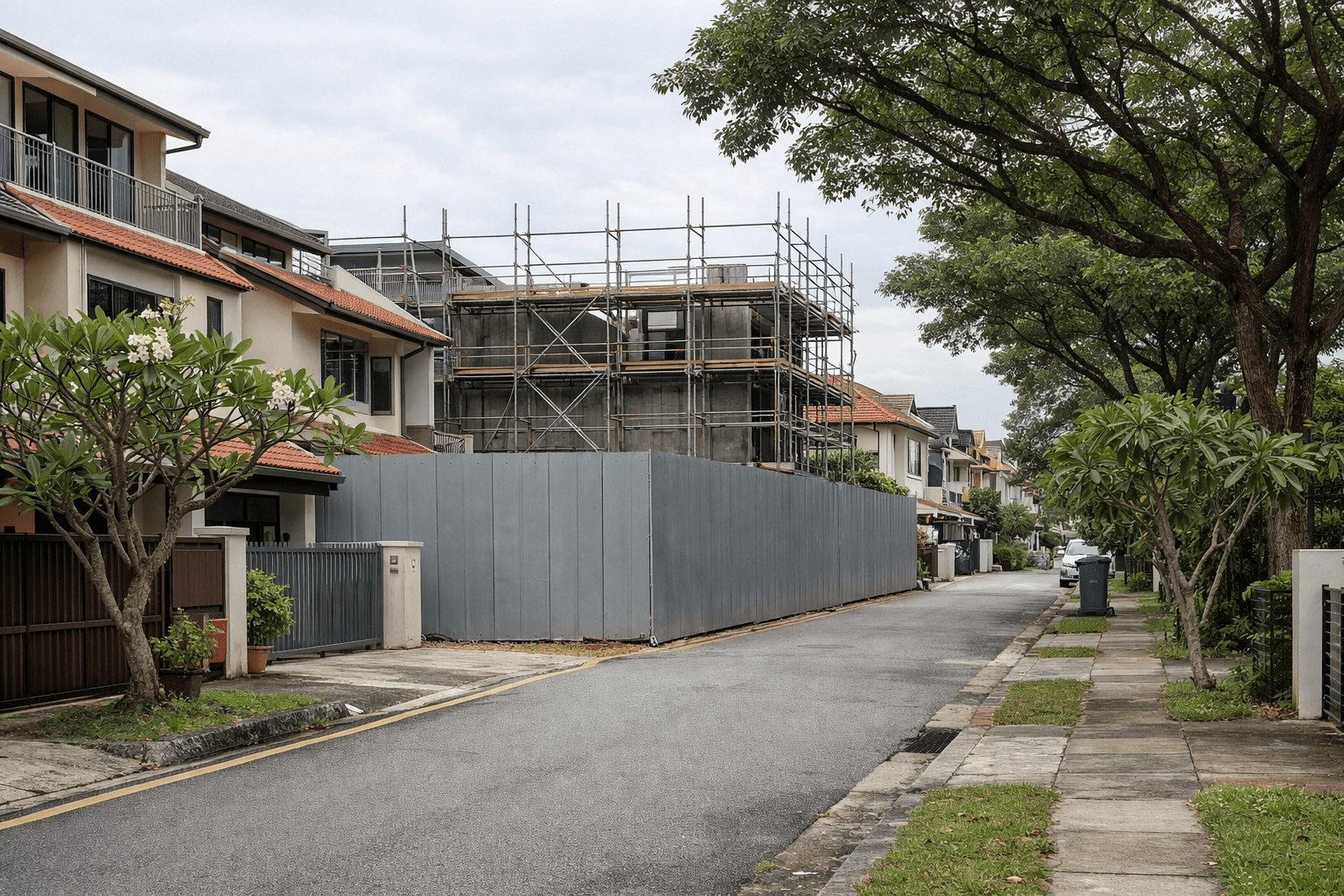
URA Residential Handbook for Landed Homes: What You Can Build When You Rebuild or Extend
Half the landed homes in Singapore's designated estates are capped at two storeys. PropKaki mapped 71,888 landed addresses onto URA's Master Plan: here is what the handbook lets you build on yours, and what turns a renovation into a rebuild.
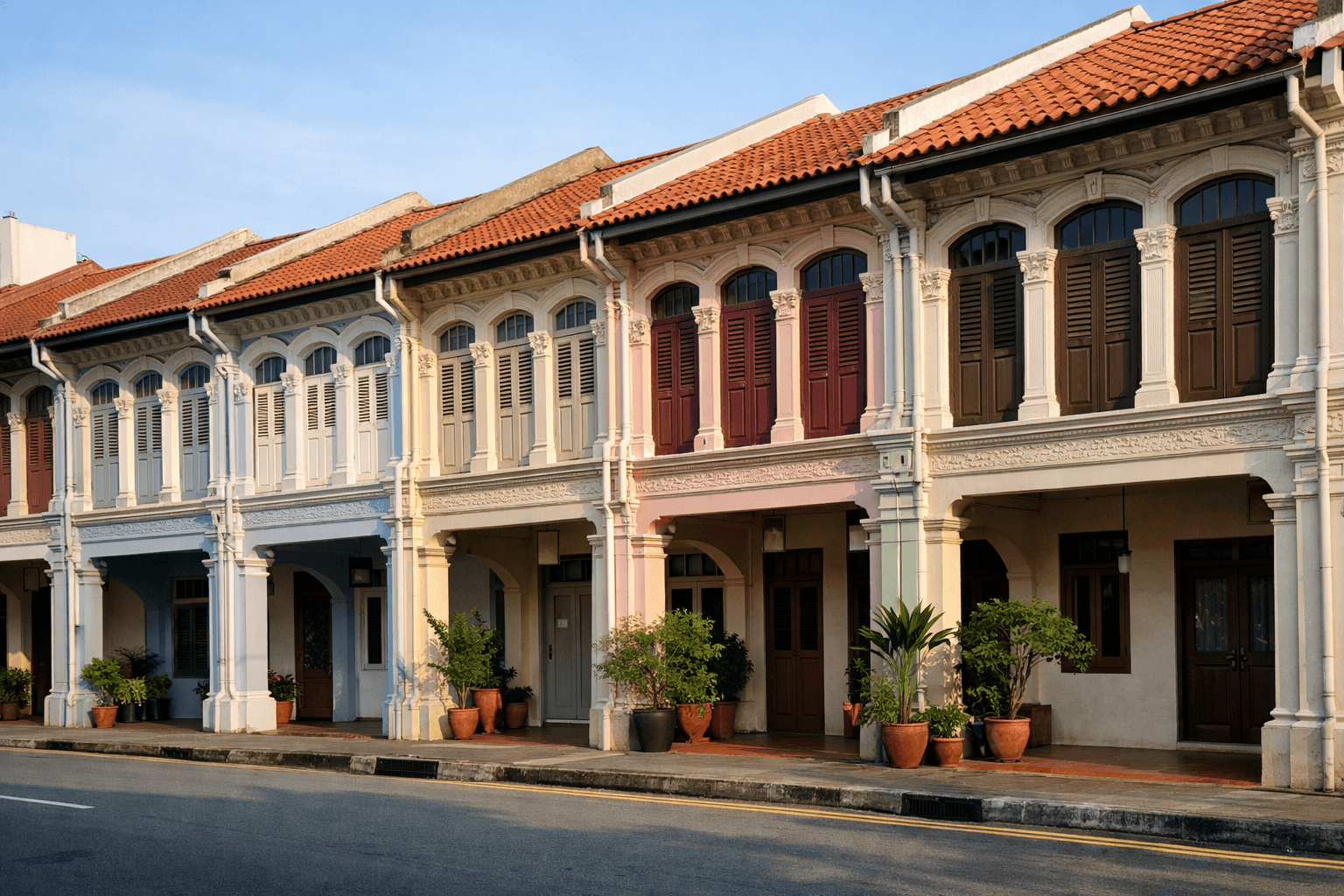
Shophouses in Singapore Explained: What They Are, Who Can Buy One and What They Sell For
A single land-titled shophouse sold for a median $5,550,000 from 2021 to 2025, and 89 shophouse sales in 2025 were caveated. Here is what a shophouse is, why its zoning decides its tax, and who can buy one.

CPF Home Protection Scheme (HPS): What It Covers, Whether It's Compulsory, and What It Costs
If CPF pays the loan on your HDB flat, from HDB or a bank, you must be insured under the Home Protection Scheme. It pays off your share of the loan, up to the sum insured, if you die, are terminally ill or totally and permanently disabled before 65. In 2025 CPF approved 791 claims, about 1.4 for every 1,000 people insured.
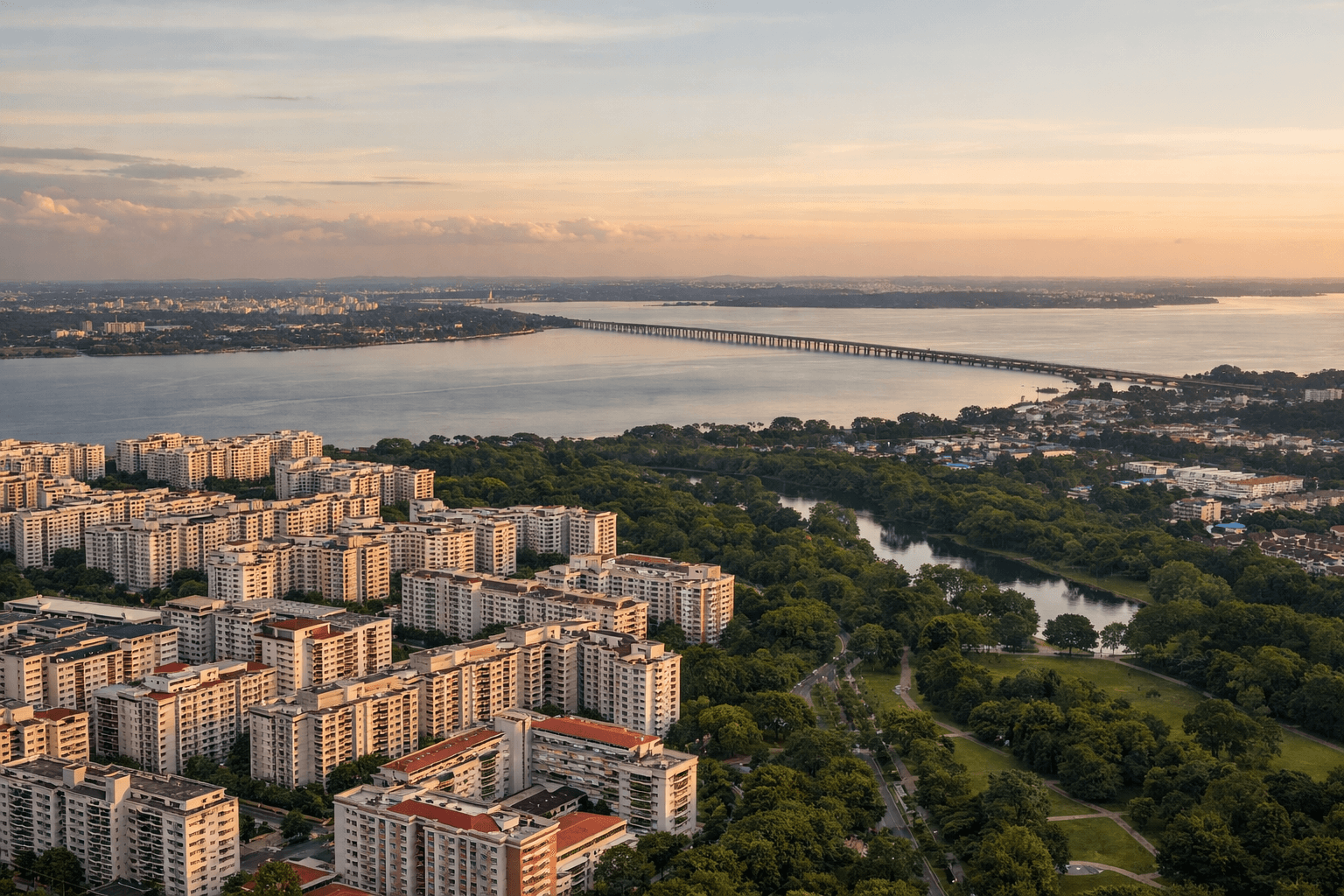
Singapore's North Region Plans: 14,000 Homes at Kranji, Woodlands and What Else Is Coming
14,000 homes on the old Kranji racecourse, about 4,000 HDB flats beside Admiralty Park, a waterfront at Sembawang Shipyard: here is what is planned for the North, with dates, land sales, zoning and prices.

CPF Property Pledge at 55: How Much You Can Withdraw, What It Costs You, and How to Apply
At 55, CPF moves your savings into a Retirement Account up to the Full Retirement Sum, $220,400 if you turn 55 in 2026. A property pledge lets a homeowner keep only half of that, the Basic Retirement Sum, and withdraw the rest. It is permanent, it trims your CPF LIFE payouts, and it is repaid when you sell.

Bridging Loans for Property in Singapore: What They Are, How They Work, and the Six-Month Clock
Buy before you sell and the bill arrives early. On a $1,880,000 home, ABSD alone adds $376,000 up front, refunded only after your flat sells. And if the old loan is still running when the new one pays out, with the flat's sale not yet approved by HDB, the downpayment jumps from $470,000 to $1,034,000. A bridging loan covers the gap for up to six months.
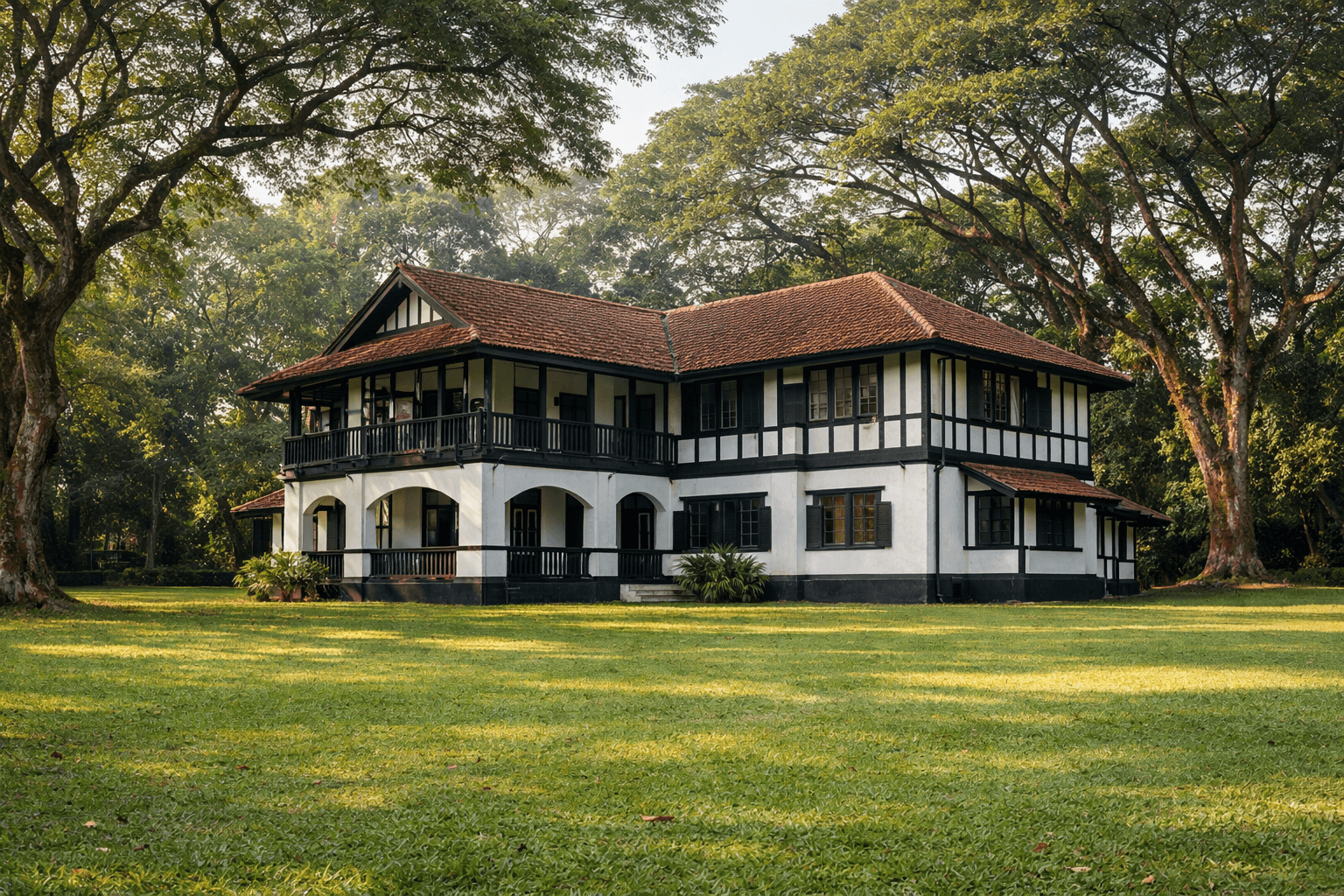
SLA State Properties for Rent: How to Rent a House From the Singapore Land Authority
SLA's SPIO portal listed 15 homes for rent on 26 Sep 2026, and not one showed a rent. Here is how renting a State property actually works, from the viewing to the tenancy you sign.

CPF Property Withdrawal Statement: Where to Find Your Figures, How to Read Them, and What Goes Back on Sale
The CPF used on your home goes back to your own CPF when you sell, with interest at the Ordinary Account rate. Pay for a flat at the median $630,000 4-room price with CPF for 25 years and the refund could reach about $1,180,706, capped at what the sale brings in. Here is where CPF shows your own figure.

Home Renovation Loans in Singapore: MAS's Rules, How Much Counts, and the Effect on Your Next Home Loan
To count as a renovation loan, your share must be no more than six months' income or $30,000, whichever is lower, repaid within five years. Meet that and the $20,000 minimum income for unsecured loans doesn't apply. Borrow more and it is treated as an ordinary personal loan.
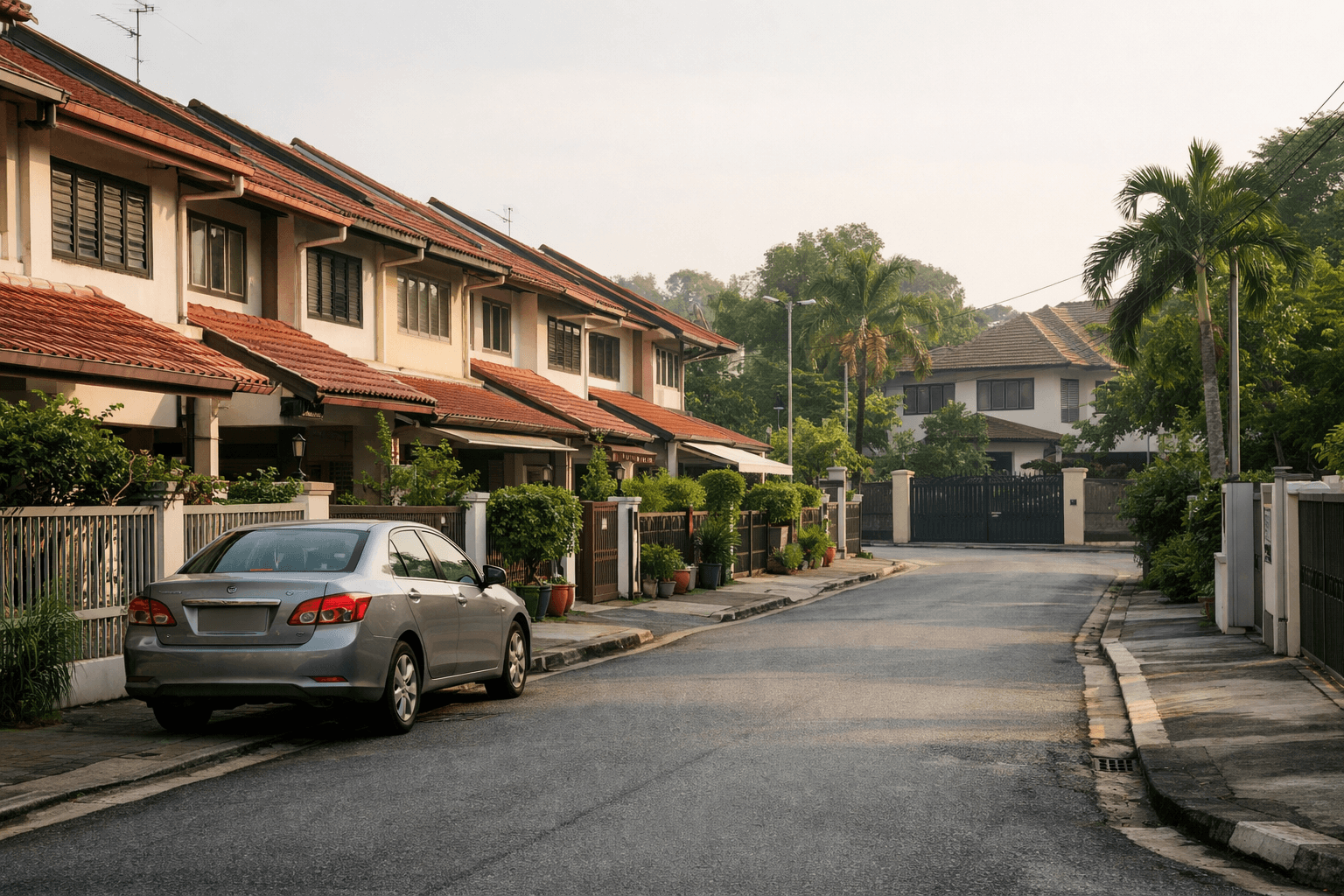
Landed Property Types in Singapore: Bungalows, Semi-Ds, Terraces and Cluster Houses Explained
Singapore has 73,902 landed private homes, and Singaporeans own 95.0% of those in URA's ownership count. Here is what separates a bungalow, a Good Class Bungalow, a semi-D, a terrace and a cluster house, from URA's own definitions and five years of sales records.

How to Sell Property in Singapore: The Steps, the Costs and the Quietest Months
You can sell an HDB flat or a private home without hiring anyone, CEA sets no commission rate, and HDB's fee to transfer a median-priced 4-room flat, if it acts for you, is $293. Here are the steps, the costs and the months when fewest homes change hands.

Property Management Companies in Singapore: Who Manages the Most Estates, and What They Can't Do
BCA's register names a managing agent for 2,836 of Singapore's 3,698 MCSTs, spread across 220 companies. Here are the biggest, which are accredited, how to choose one, and the decisions a managing agent can never make for your estate.

Step-Up CPF Housing Grant 2026: $15,000 to Move Up From a 2-Room or Rental Flat, Who Qualifies and How Far It Goes
The Step-Up CPF Housing Grant is $15,000. In eight of the 12 non-mature towns, from September 2025 to August 2026, the median step from a 2-room resale flat to a 3-room with at least 60 years of lease left ran from $60,000 in Bukit Batok to $157,944 in Sengkang, so the grant covered 9% to 25% of it. Here is who qualifies and which flats count.

Home Equity Loans in Singapore: How Much You Can Borrow Against Your Home, and What It Costs
Private homes held 10 to 15 years resold at a median $540,000 above their purchase price in the last year. A home equity loan lets you borrow against gains like that without selling. Here is how much MAS allows, what it costs, and the catches that surface when you sell.
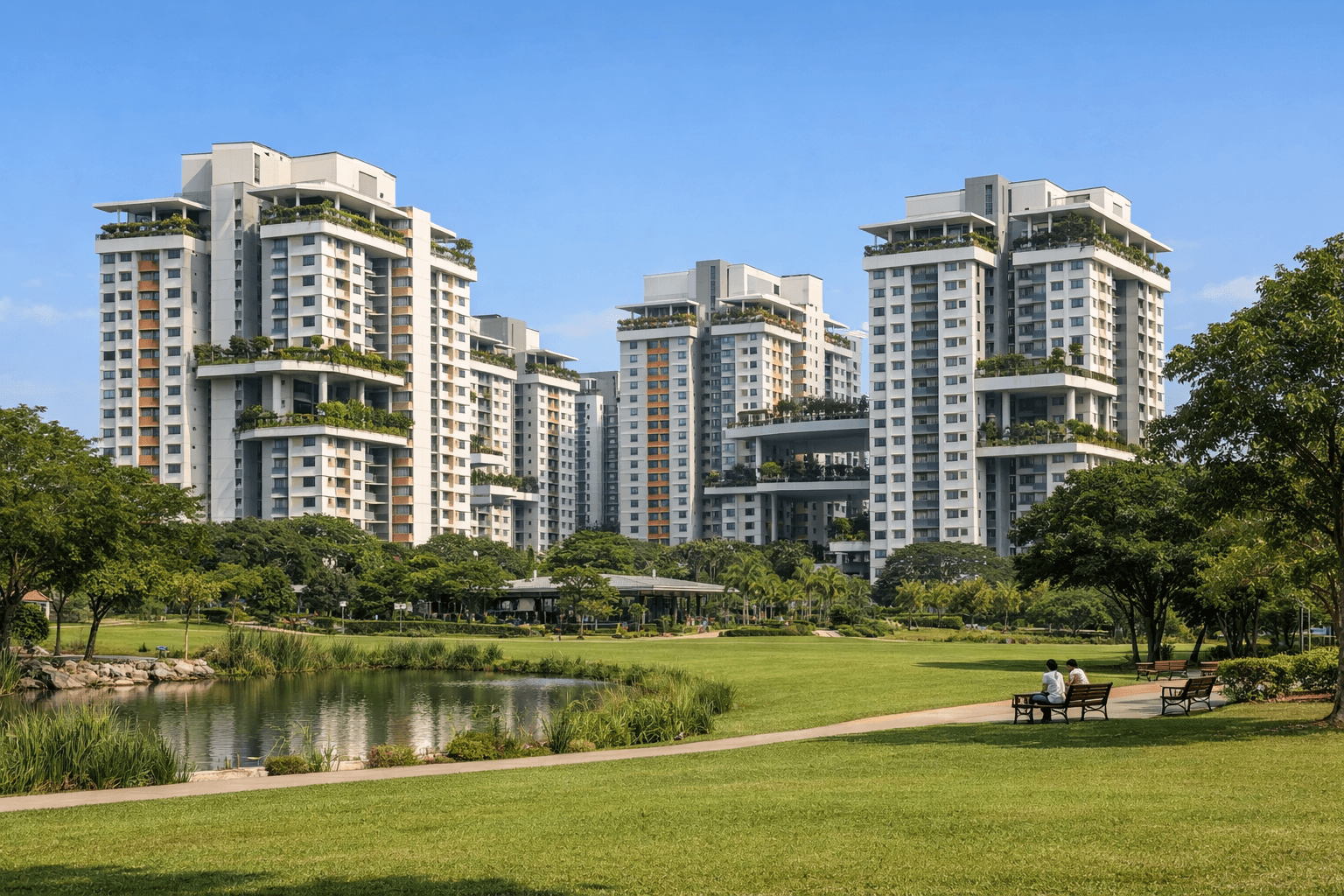
HDB Flats Reaching MOP in 2026 and 2027: Every Project, Dakota Breeze's Date, and What Just-MOP Flats Sell For
18,939 flats in 28 projects completed in 2022 start reaching their minimum occupation period in 2027, Dakota Breeze included. The 2021 cohort is already selling: at Alkaff Oasis in Toa Payoh, 4-room flats sold at a median $1,080,000 in 2026.
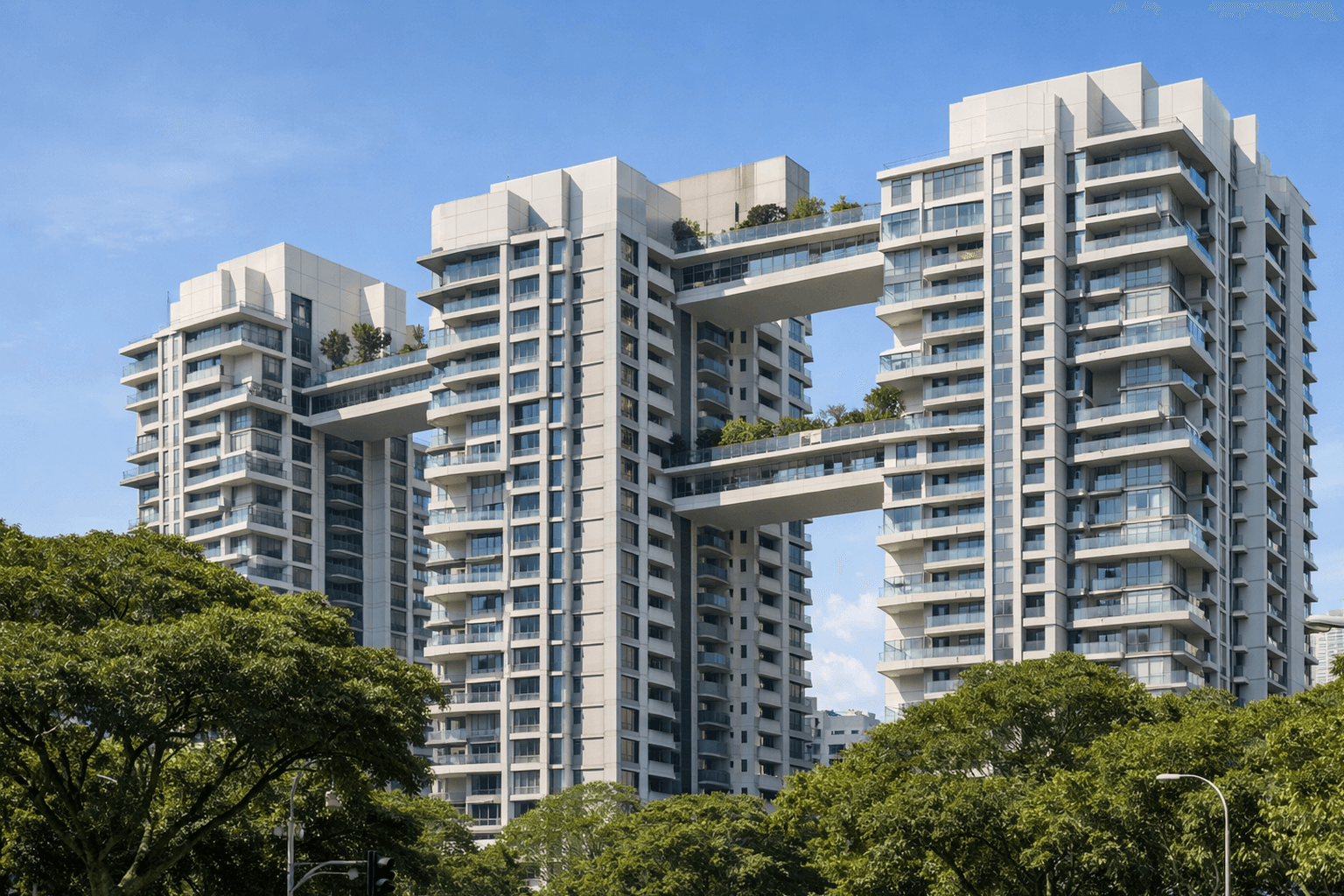
DBSS and HUDC Flats Explained: What They Were, What DBSS Flats Sell For, and Where the HUDC Estates Went
DBSS flats resold at a median premium of +16% per square metre over same-town HDB flats of similar age in the past two years, and 587 DBSS resales have now reached $1 million or more, up from 229 counted by MND up to early 2023. HUDC estates all went private by 2017, and 13 have since been sold en bloc.

HDB 3Gen Flats: Who Can Buy One, 2026 Prices, the Layout, and What They Resell For
HDB's 3Gen flats are bigger than 5-room flats, yet per square metre they have resold for less than 5-room flats of the same town and age in all 7 towns with enough sales, by 3% to 14%. Here is who can buy one, what they cost new, the layout, and the resale record.

HDB Pet Rules 2026: How Many Cats and Dogs You Can Keep, What Licences Cost, and Renting With Pets
An HDB flat may keep 2 cats and 1 dog from HDB's approved list; a private home, 3 cats or dogs in all. Every pet cat has needed an AVS licence since 1 September 2026; a sterilised cat's lifetime licence costs $35. Here are the rules, the costs and how renting with a pet works.
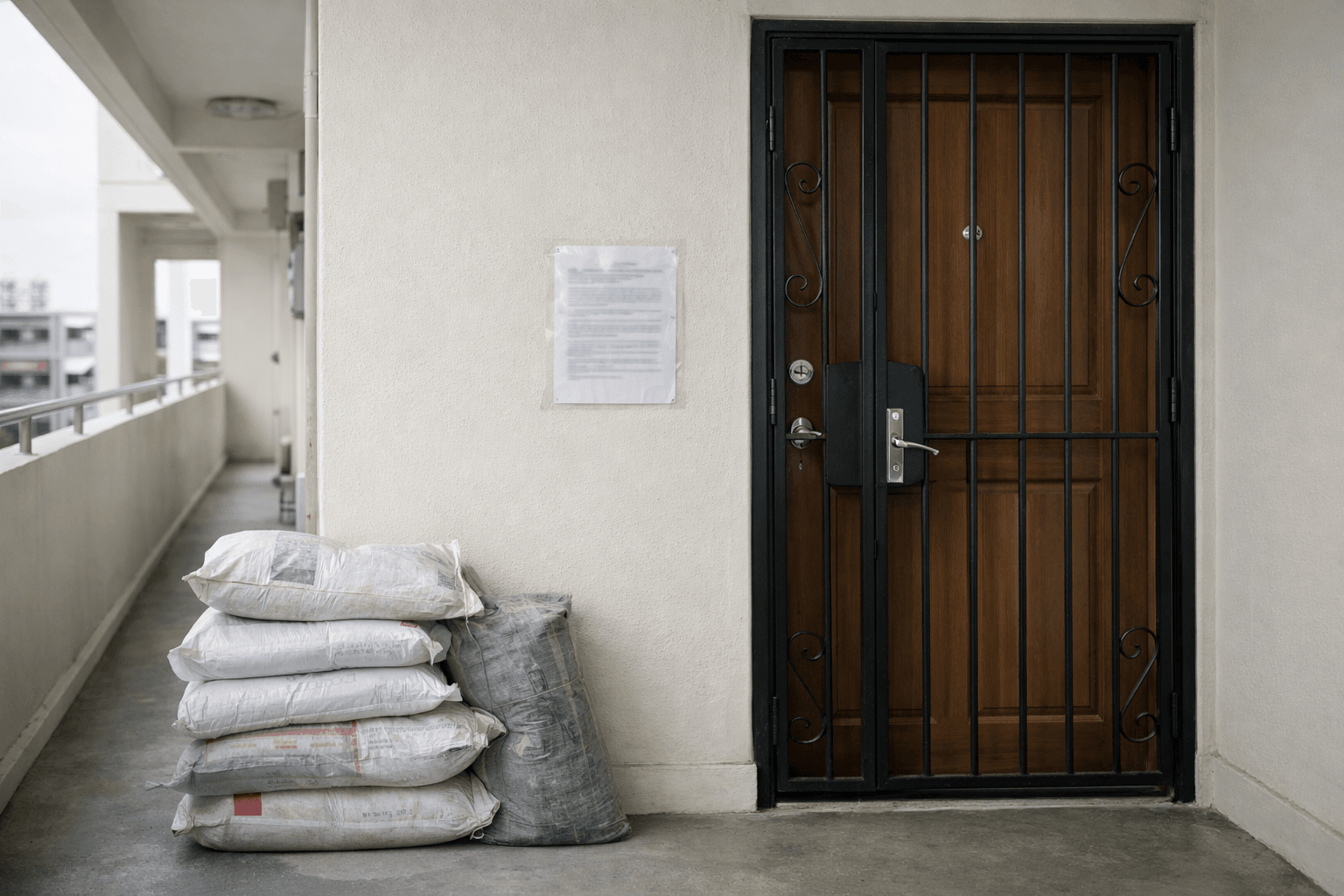
HDB Renovation and Noise Rules: Hours, Saturday Drilling, NEA's Limits and Neighbour Disputes
General renovation in an HDB flat may run 9am to 6pm, Monday to Saturday; hacking, tile work and heavy drilling only 9am to 5pm on weekdays. Here are the dates they stop in the next 12 months, NEA's limits, and where a noise complaint goes.

BTO Defects Inspection: How HDB's Defect Check Works, What to Check and What Happens After Year One
HDB fixes defects in a new flat for a year from key collection, but asks you to report them within the first month and before renovation starts. MND says most are minor and more than 90% are fixed within 14 working days. Here is how the process works and what to check.

Housing Developers Rules in Singapore: What They Make a Developer Do, and What They Give a New-Launch Buyer
Every new private home or executive condominium unit sold in a project of five or more units is sold under the Housing Developers Rules: 9,538 units in 102 projects in the year to 30 August 2026. Here is what the Rules fix for you, from the booking fee and the three-week option to a contract the developer cannot rewrite.

HDB Contra Facility 2026: How to Sell Your Flat and Buy a Resale Flat at the Same Time
Trading up from a 4-room to a 5-room resale flat meant bridging a median gap of $110,000 in 2026 H1. HDB's contra facility lets your sale fund your purchase at the same completion, but only in a set order: your CPF first, cash last, and never for stamp duty or legal fees.

Fresh Start Housing Scheme 2026: How Rental Families Buy a Flat, the $75,000 Grant and Who Qualifies
By 2024 only 132 families had used HDB's Fresh Start Housing Scheme. Since then the grant has risen to $75,000 and first-timer families can join. On HDB's own examples a 50-year lease cuts the price by 22% and turns a family HDB would not lend to into one paying from CPF.
Buying a Resale HDB Flat, Step by Step: The Process, the Money, the Grants and the Lease Check to Do First
Of the 24,592 HDB flats resold between 2025-09 and 2026-08, only 62% had enough lease left to last a 30-year-old buyer to age 95, the test for full CPF use, the full HDB loan and the full Enhanced CPF Housing Grant. Here is the whole resale process, and the checks to make before you sign.

HDB Transfer of Ownership: Adding, Removing or Passing On a Flat, Who Qualifies and What It Costs
HDB lets you add, remove or replace owners only within the immediate family, when the family changes or to keep the flat. If no money changes hands beyond the CPF refund and an existing owner stays, IRAS remits buyer's and seller's stamp duty, worth $4,500 in BSD on a half share of a median $630,000 4-room flat. Here is who qualifies, the fees and the timeline.
HDB Public Rental and Interim Housing 2026: Who Qualifies, the Rents, the Wait, and Where to Stay Before Your BTO
A 2-room HDB rental flat costs $44 to $75 a month for the lowest-income first-timers, against an open-market median of $2,350 for a whole 2-room flat. The catch is eligibility: HDB looks first at property, family support and whether you could rent or buy elsewhere.
Is There Capital Gains Tax on Property in Singapore? No, but Selling Early or Trading Can Still Cost You
Singapore does not tax the capital gain when you sell a home. In the year to 30 August 2026, 95.7% of the 14,600 private resales we matched sold above their purchase price, at a median gross gain of $485,000, with no capital gains tax on any of it. The two catches are seller's stamp duty and trading.

Community Care Apartments 2026: Prices by Lease, the Service Fee, and Who Can Buy From 55
Seniors have been slow to take up HDB's Community Care Apartments: 0.7 applications a flat at the October 2025 launch and again across the February 2026 balance-flat sale. Here is what one really costs over a 15- to 35-year lease, flat and service package together, and who can buy from 55.
Caveats in Singapore: Caveator vs Caveatee, How Long a Caveat Lasts and How to Remove One
A caveat is a claim flagged on a property's title. Here is who lodges one and who is notified, what it holds up, the five-year rule, the fees, how to check for one or remove one, and why 16,142 of the 25,730 private home sales in PropKaki's copy of URA's data for the year to 30 August 2026 were caveats.

Singapore's Biggest Property Developers, Ranked by the Government Land They Win
City Developments Limited took part in 12 of the 82 residential sites the Government sold from 2021 to 18 September 2026, more than any other group. Here is the full ranking, and the companies behind every award.

99-Year Leasehold in Singapore: How Much Lease Is Left, and What Happens When It Ends
HDB flats resold in 2026 H1 had a median 71 years of lease left, and the first sold HDB flats' leases end in 2065. Here is how Singapore's 99-year leases work, from PropKaki's data and the Government's own words.

En Bloc in Singapore: The 2026 Rules, How a Collective Sale Works and Which Condos Are Old Enough
En bloc thresholds are changing: 70% for developments aged 40 to 59 and 65% for 60 and older, once the 2026 amendments start. PropKaki counts 251 standing private developments aged 40 or more. Here is how a collective sale works, stage by stage.

How Much Do Homes Cost in Singapore? Prices by Type and Size, From HDB Flats to Landed Houses
A 4-room HDB flat resold for a median $630,000 in 2026 H1; in the 12 months to 30 August 2026 a condo or apartment sold for $1,952,600 (new and resale together) and a terrace house for $4,500,000. Here is what each kind of home costs, from PropKaki's analysis of HDB and URA records.

Upcoming EC Launches in Singapore: Every Site in the Pipeline, and How Long Launches Take
5 EC sites have been sold but not launched, about 1,970 homes. Past EC sites took 14 to 24 months from award to first sale. Here is the pipeline, the rules that apply to each site, and what new ECs sell for.

Condo vs Apartment in Singapore: What URA's Rules Say, and What the Labels in the Data Really Mean
URA's rules give a condominium at least 4,000 sqm of land for shared facilities, against 1,000 sqm for a block of flats. Yet 92% of new condos and apartments sold so far in 2026 (ECs aside) were recorded as 'Apartment'. Here is what the two words mean in Singapore, and how URA's sale data labels them.

Is Singapore Property in a Bubble? Four Tests and Every Bust Since 1975
Singapore's private price index is at a record 219.4 (2026Q2). A record is not a bubble. We test it against rents, household incomes, borrowing rules and the 5 busts since 1975.

99-to-1 Property Ownership in Singapore: Is It Legal, and What Does IRAS Claw Back?
A 99-to-1 purchase splits one home into two steps so that ABSD falls on a 1% share, not the whole price. IRAS found tax avoidance in 166 of the 187 cases it had finished reviewing by April 2024. How the rule works, what it costs at the median private price, and the lawful routes.
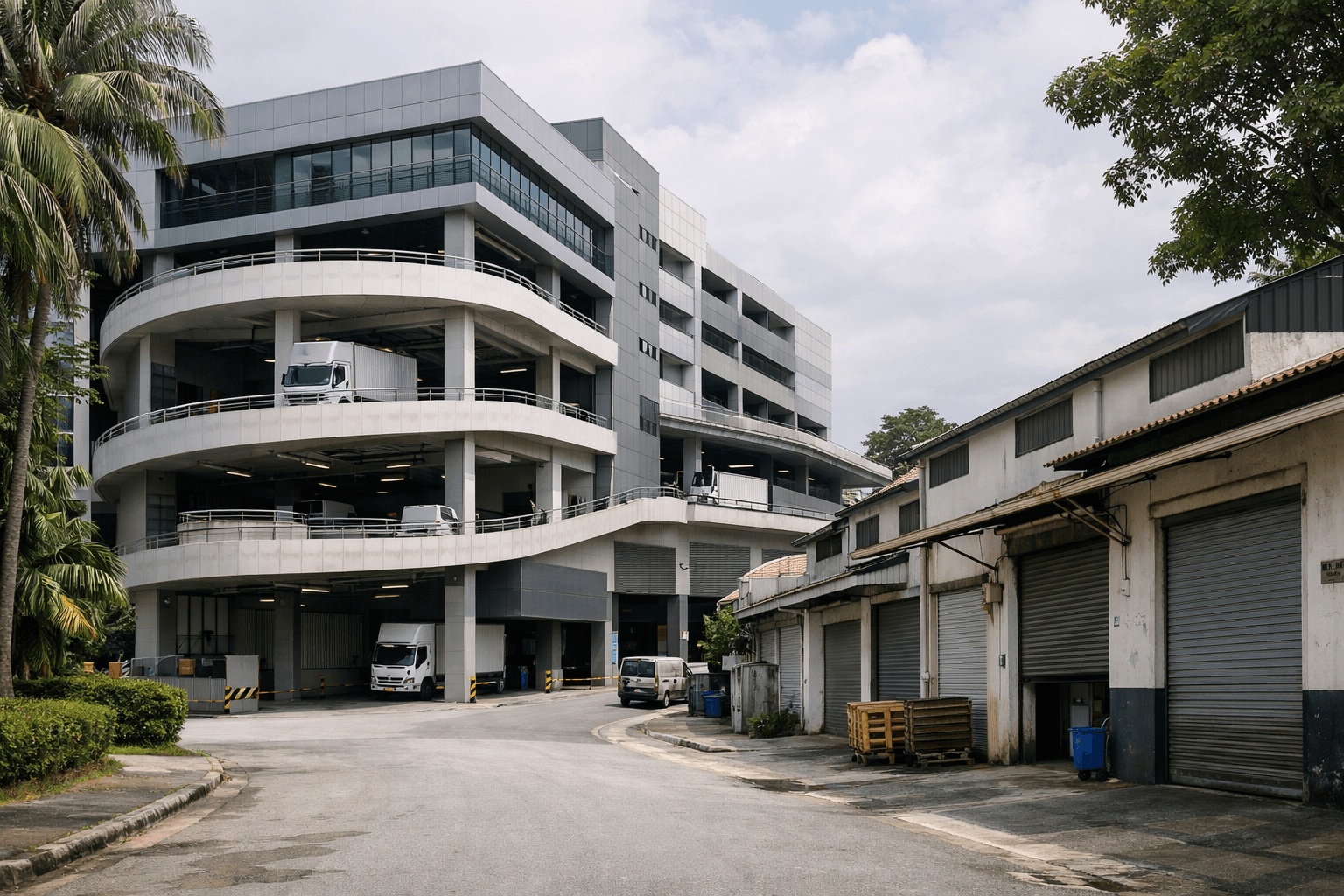
B1 vs B2 Industrial in Singapore: What Each Zone Allows, and the Price Gap Like for Like
B1 zones take clean and light industry within a 50m nuisance buffer; B2 zones also take general industry and warehouses, with 100m. B1 units sold for 52% more per sq ft over September 2023 to August 2026, but most of that is location and lease: matched like for like, B1's median premium was 4% to 14%, and B2 was dearer in some groups.

How to Buy a Home in Singapore: The Steps, the Cash and Who Can Buy What
A median 4-room HDB resale flat needs $157,500 down and $13,500 in stamp duty; a median condo, apartment or EC needs $533,600 before legal fees on a 75% bank loan. Here is how buying works in Singapore, route by route, with the money at each step.
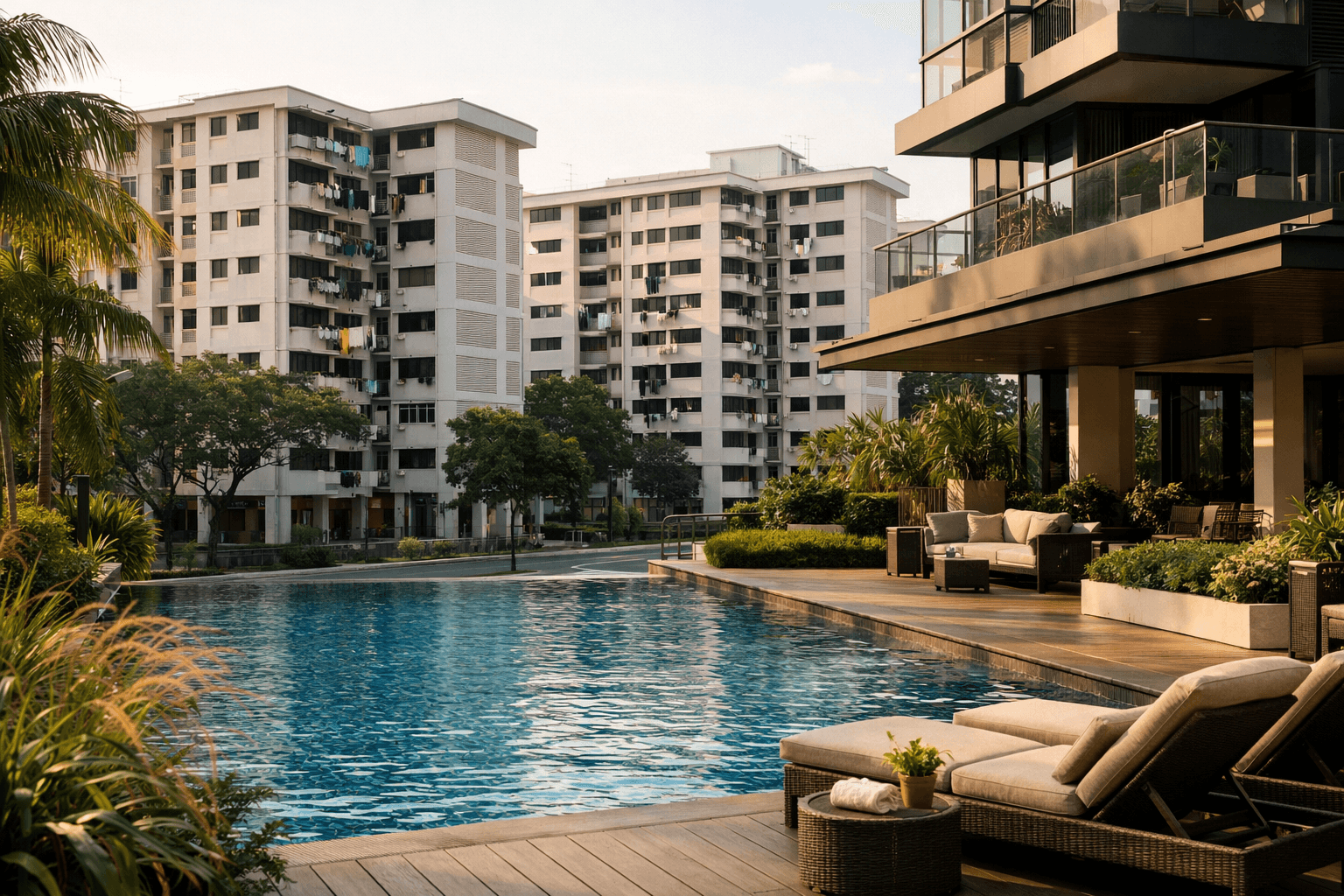
Condo vs HDB in Singapore: The Price Gap Since 1995, and Who Can Buy Each
A median resale condo cost $1,720,000 in the first half of 2026, 2.7× a median 4-room HDB resale flat at $630,000, for about the same floor area. By price the gap has narrowed since 1995; per square foot it has barely moved (3.1× then, 2.9× now). Here is the gap over time, town by town, and who can buy each.

Singapore Property Investing Guide: The Yields, Duties and Costs Behind the Returns
The median condo, apartment or EC listed for sale earns about 3.18% a year in gross rent, and a citizen's second home at the median price carries $439,600 in stamp duty: about 7.4 years of the $59,784 a year that yield implies. Here is the arithmetic behind Singapore property investing, from PropKaki's data.
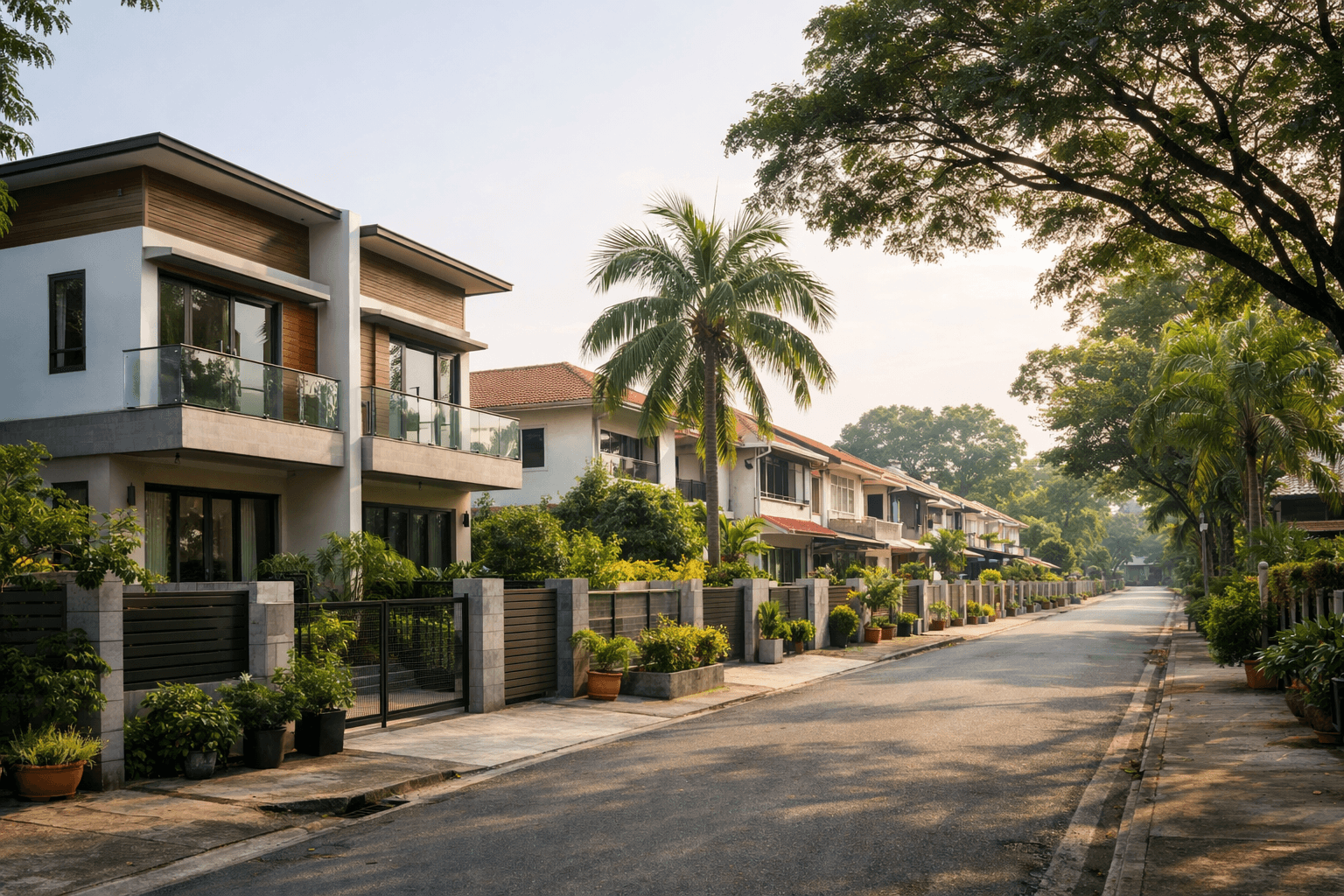
Semi-Detached vs Terrace House in Singapore: 41% More Money for 75% More Land
In the same district, a semi-detached house sells for a median 41% more than a terrace, comes with a median 75% more land, and costs a median 16% less per square foot of land. Nationally the medians were $6,300,000 and $4,500,000 over the 12 months to August 2026. Here is what separates the two, and who each suits.

Real Estate Agent or Broker or Realtor? What Singapore Calls Them, and Who Is Licensed
In Singapore the licence belongs to the estate agency, and the people you deal with are its registered salespersons: 38,217 of them under 1,015 licensed agencies on PropKaki's copy of CEA's register on 11 August 2026. Broker and realtor are not Singapore titles. Here is what each word means, how to check someone, and why commission goes to the agency.

HDB Loan vs Bank Loan in Singapore: Which Is Better, Worked Out on a Median 4-Room Flat
An HDB loan charges 2.6%, lets CPF pay the 25% downpayment apart from the option fees, and can be refinanced to a bank later. A bank loan needs at least 5% of the price in cash and can never be refinanced to HDB, but it costs less for as long as its rate stays under 2.6%. Here is the difference in dollars on a median-priced 4-room flat.
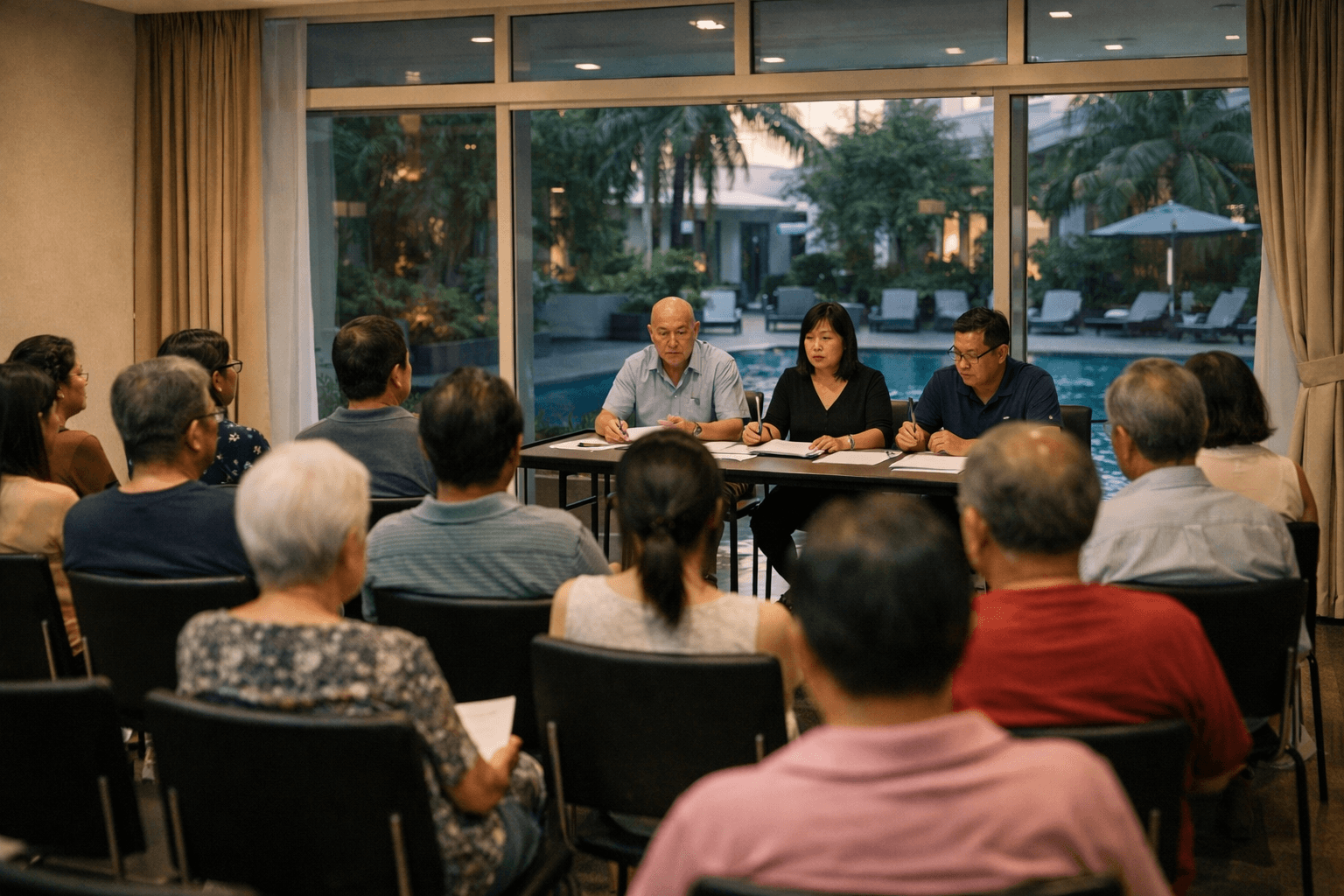
What Is an MCST? Singapore's Management Corporations Explained
MCST stands for Management Corporation Strata Title: the body made up of every owner in a strata development, which runs the common property. BCA's register lists 3,698 of them. Here is what an MCST does, who runs it, how to find its number and what to do in a dispute.

How to Check Property Ownership in Singapore: Title Searches, Fees and Proof of Ownership
SLA's INLIS will tell you the registered owners of a private property for S$5.25, and the full title for S$16.00, after a Singpass login. Here is what each search shows and misses, how to check an HDB flat, how to see your own title free, and what to verify before you pay anyone a deposit.

HDB Option to Purchase (OTP): Where to Get It, the Fees, the 21 Days and Backing Out
The HDB option to purchase is the seller's promise, on HDB's own form, to sell you the flat at the agreed price for 21 days. You pay up to $1,000 to get it and up to $5,000 in all to exercise it; walk away and you lose only the option fee. On a median $630,000 4-room, stamp duty of $13,500 follows.
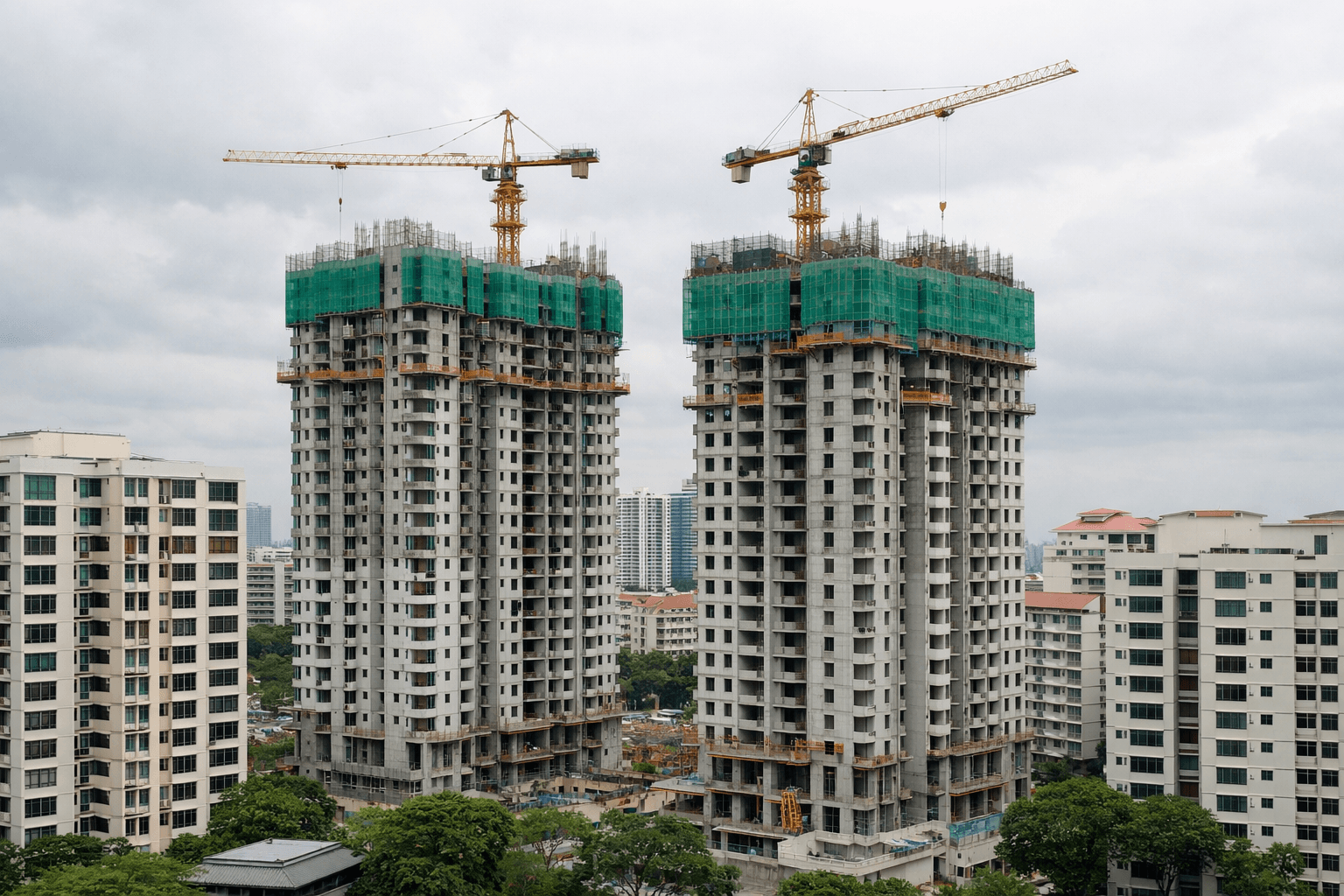
BTO Waiting Times: How Long Every Recent Project Takes, and How to Track Construction
HDB's estimated waits for the 23 BTO project launches from October 2025 to June 2026 ran from 23 to 59 months after flat selection, with a median of 42. Flats HDB completed in 2025 had a median wait of about four years.

Conveyancing Lawyers and Fees in Singapore: HDB's Fee Worked Out, and What to Ask a Private Lawyer
Conveyancing is the legal work of transferring a property, and in Singapore a lawyer does it, or HDB for an HDB flat bought without a bank loan. HDB's fee is set by law: $638.74 on a 2026 H1 median 4-room resale, about $790 with SLA's fees, before HDB-loan fees. CPF Board puts a private lawyer at $2,500 to $3,000 on average for an HDB buyer with a bank loan.

How to Apply for a BTO Flat in 2026: Every Step, What You Pay and When
Buying a BTO flat takes six steps over several years: an HFE letter, an application in HDB's 8-day window, a ballot, a booking appointment, the Agreement for Lease and key collection. With an HDB loan you pay 10% of the price by the Agreement for Lease, counting the option fee paid at booking, and 15% at key collection.

BTO Application Rates: Every Project From October 2025 to June 2026, by Applicant Group
In February 2026, first-timer singles applying for Tampines Nova's 2-room Flexi flats faced 117.5 applications per flat set aside for them, while first-timer families applying for Sembawang's 4-room flats faced 0.6. Your BTO odds depend less on the project's popularity than on which applicant group you are in.

Joint Tenancy vs Tenancy in Common in Singapore: Who Gets the Home When an Owner Dies
Joint tenants own the whole home together, and when one dies the others take it automatically, whatever the will says. Tenants in common own separate shares that pass by will, or by the Intestate Succession Act if there is none. Here is who ends up with the home in each case, in dollars, and how to switch.
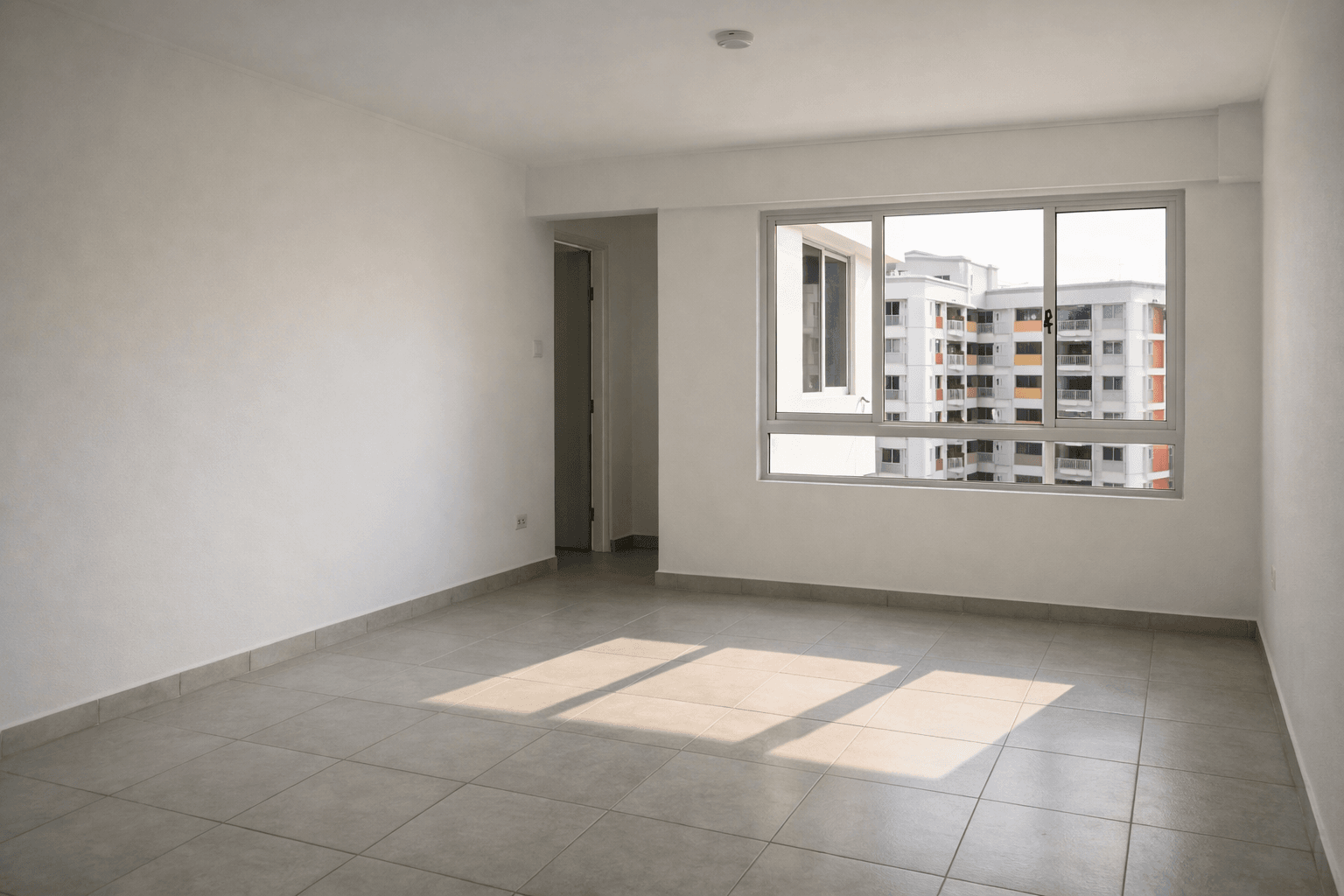
BTO Prices 2026: What Every Flat Type Costs, How Big It Is, and How Far Below Resale
A new 4-room BTO flat cost $302,000 to $600,000 in a Standard project in 2026, and up to $810,000 in a Prime one, before grants. In all 32 comparisons HDB published, even the top of the new-flat range sat below the cheapest of HDB's resale comparables nearby.
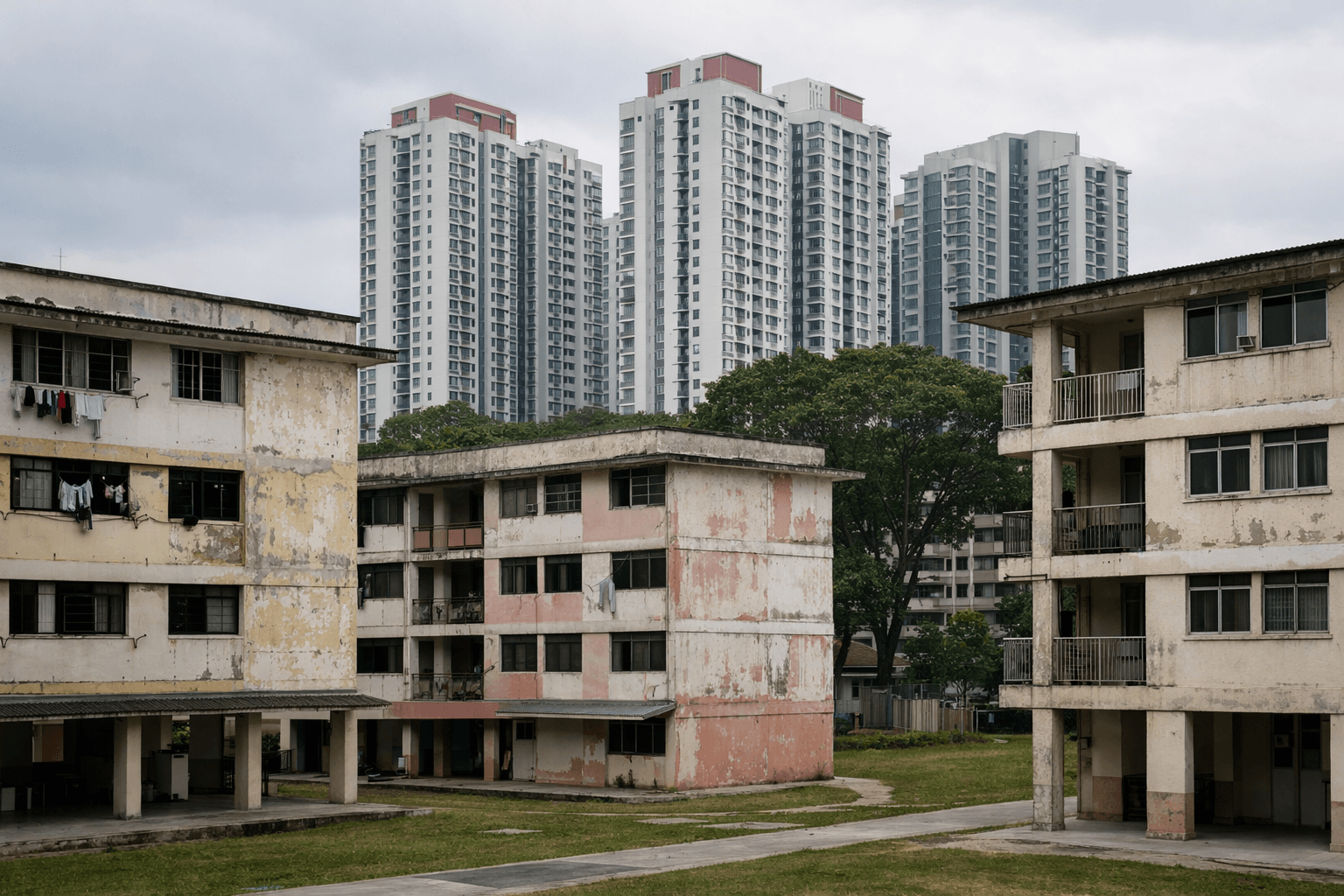
SERS vs VERS: How HDB Redevelops Old Flats, What You Get, and Why No More SERS Is Planned
SERS lets HDB compulsorily buy selected old blocks and rehouse eligible owners in new flats on fresh 99-year leases; HDB says there are currently no plans for more. VERS, planned to start at a few sites in the first half of the 2030s, will be voluntary, decided by a vote in precincts the Government selects, and pay less, because the flats will have much shorter leases left.

Parenthood Provisional Housing Scheme (PPHS) 2026: Rents, Who Qualifies and How to Get a Flat
The PPHS rents HDB flats at subsidised rates to families waiting for a new flat they have booked: $400 to $550 a month for a 2-room and $600 to $900 for a 3-room, the types HDB offered in August 2026, against open-market medians of $2,350 and $2,800. Household income must be $8,000 or less, and households with a citizen child aged 18 or below, or expecting one, come first.

CPF Voluntary Housing Refund: What It Is, Whether It Is Worth It, and What Changes at 55
A voluntary housing refund pays back, in cash, CPF savings you used for your home before you sell. It stops the accrued interest growing on that amount and puts the money back in your CPF, where it earns 2.5% in your Ordinary Account, up to 3.5% with CPF's extra interest. Under 55 the money is locked in until the withdrawal rules allow; from 55 it goes to your Retirement Account first.
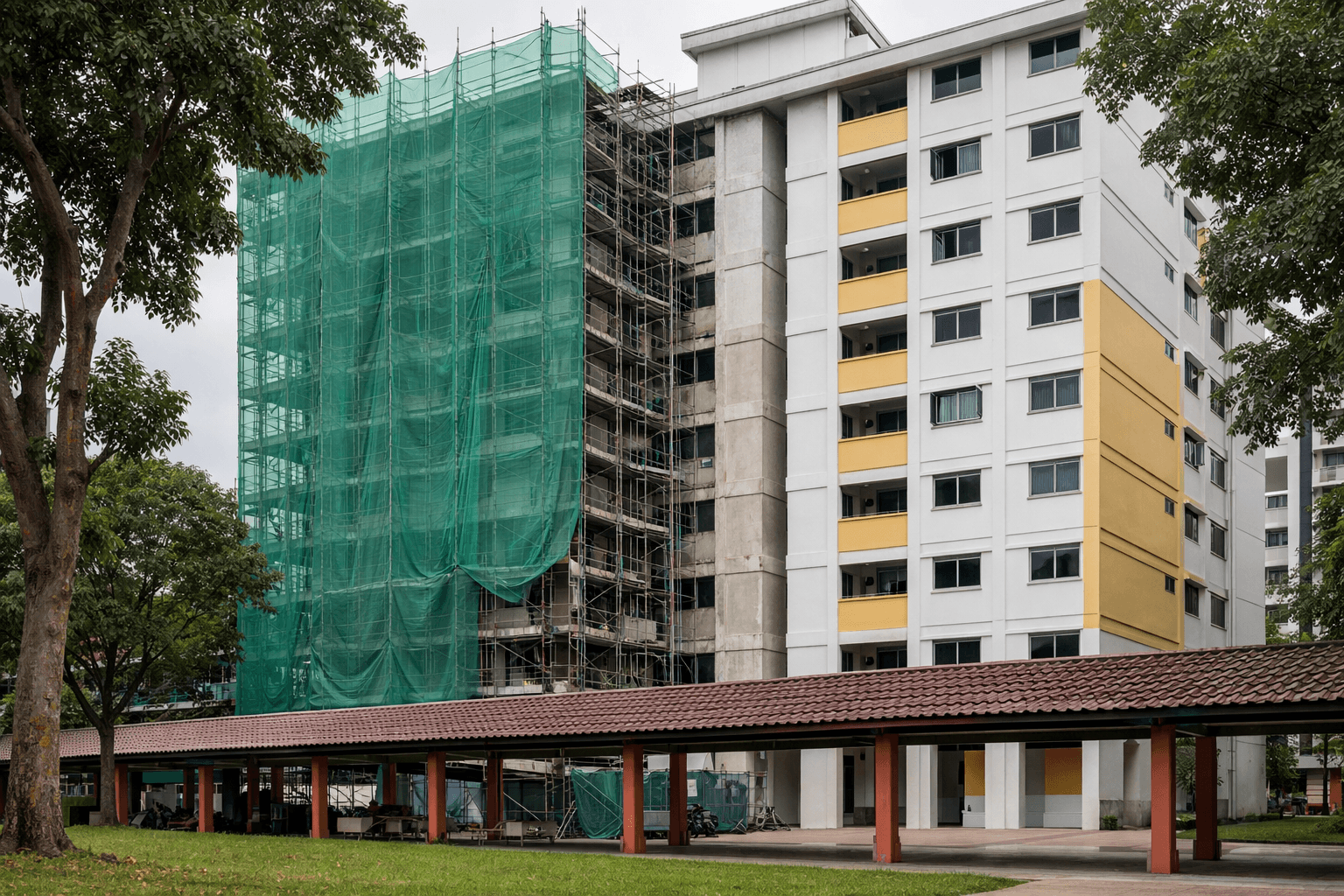
HDB Upgrading in 2026: HIP, NRP, SUP and HIP II, What You Pay and When Your Block's Turn Comes
HDB's Home Improvement Programme fixes ageing flats from the inside, for blocks built up to 1997; citizen households pay 5% to 12.5% of the optional items and nothing for the essential repairs. The Neighbourhood Renewal Programme upgrades blocks and precincts built up to 1999, and the Silver Upgrading Programme adds senior-friendly features to older precincts; both are fully paid for by the Government.

Silver Housing Bonus 2026: Up to $40,000 for Right-Sizing, Who Qualifies and How to Apply
The Silver Housing Bonus pays up to $40,000 to households with a Singapore Citizen owner aged 55 or above who sell their home and buy a 3-room or smaller HDB flat, if they commit up to $60,000 to their CPF Retirement Account. Since 1 December 2025, CPF housing refunds can meet that commitment, if they are enough.

HDB Lease Buyback Scheme 2026: Who Qualifies, How Much You Get and the Downsides
The Lease Buyback Scheme lets owners aged 65 and above sell part of their flat's lease to HDB and stay put. The money tops up your CPF for a monthly CPF LIFE income, you can keep up to $100,000 in cash, and a bonus of up to $30,000 comes on top. In HDB's example, the last 35 of 65 years fetched $190,000.
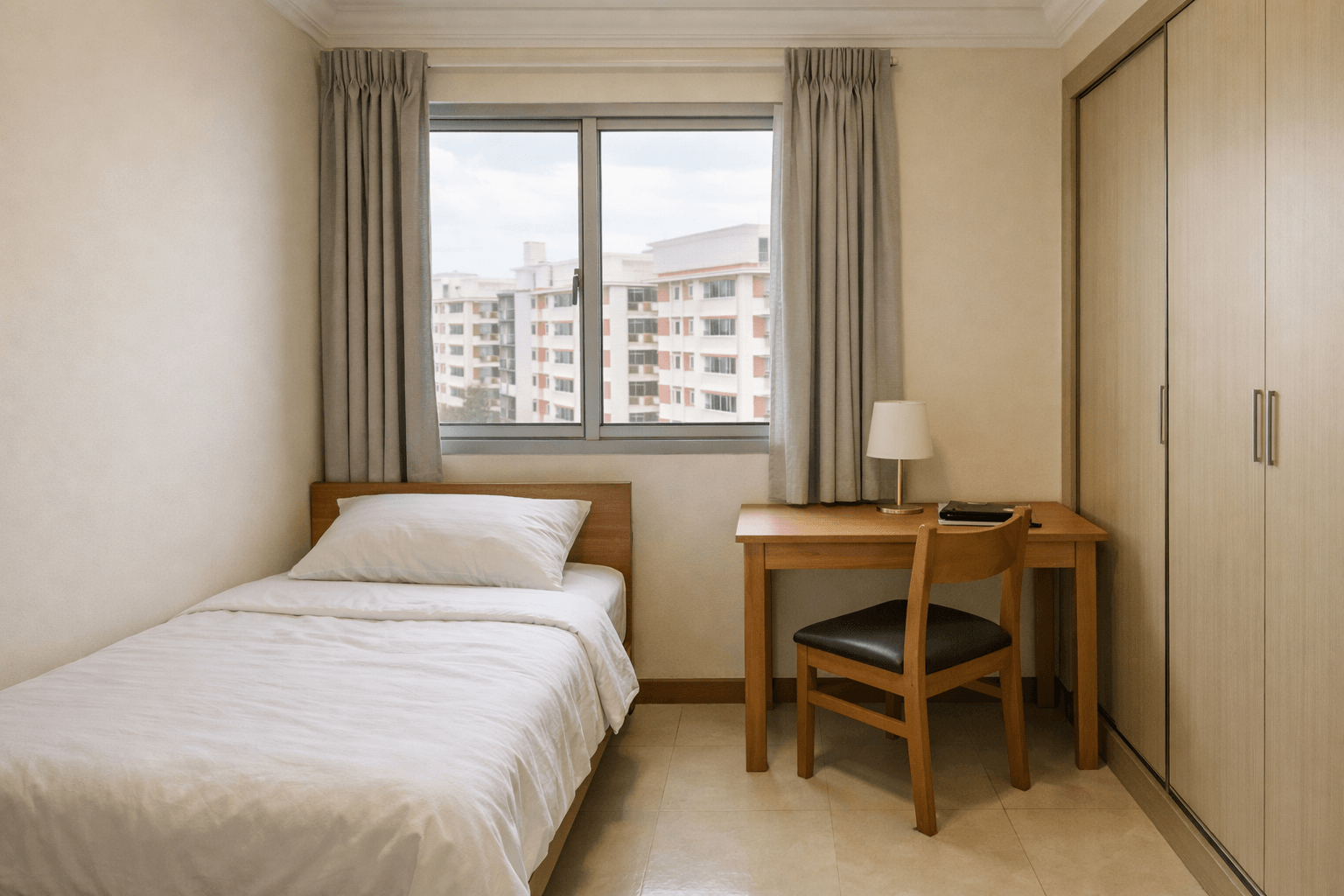
Renting Out Your HDB Flat or a Room: 2026 Rules, Tenant Limits, Fees and Rents
Households with a citizen owner can rent out a whole HDB flat after the MOP. Citizen or PR owners can rent out rooms in a 3-room or bigger flat while living there and, except in a 3Gen flat, without waiting for the MOP. About 117,000 flats let rooms and 59,000 are let whole, and a whole 4-room rented for a median $3,300 a month in the year to August 2026.

HDB 2-Room Flexi Flats: Type 1 vs Type 2, 2026 Prices, Short Leases and Who Can Buy
A 2-room Flexi is a one-bedroom HDB flat, sold in two sizes and, for buyers aged 55 and above, on leases of 15 to 45 years. In the June 2026 BTO launch, 99-year units cost $137,000 to $406,000 before grants, and a 15-year lease started at $46,000.
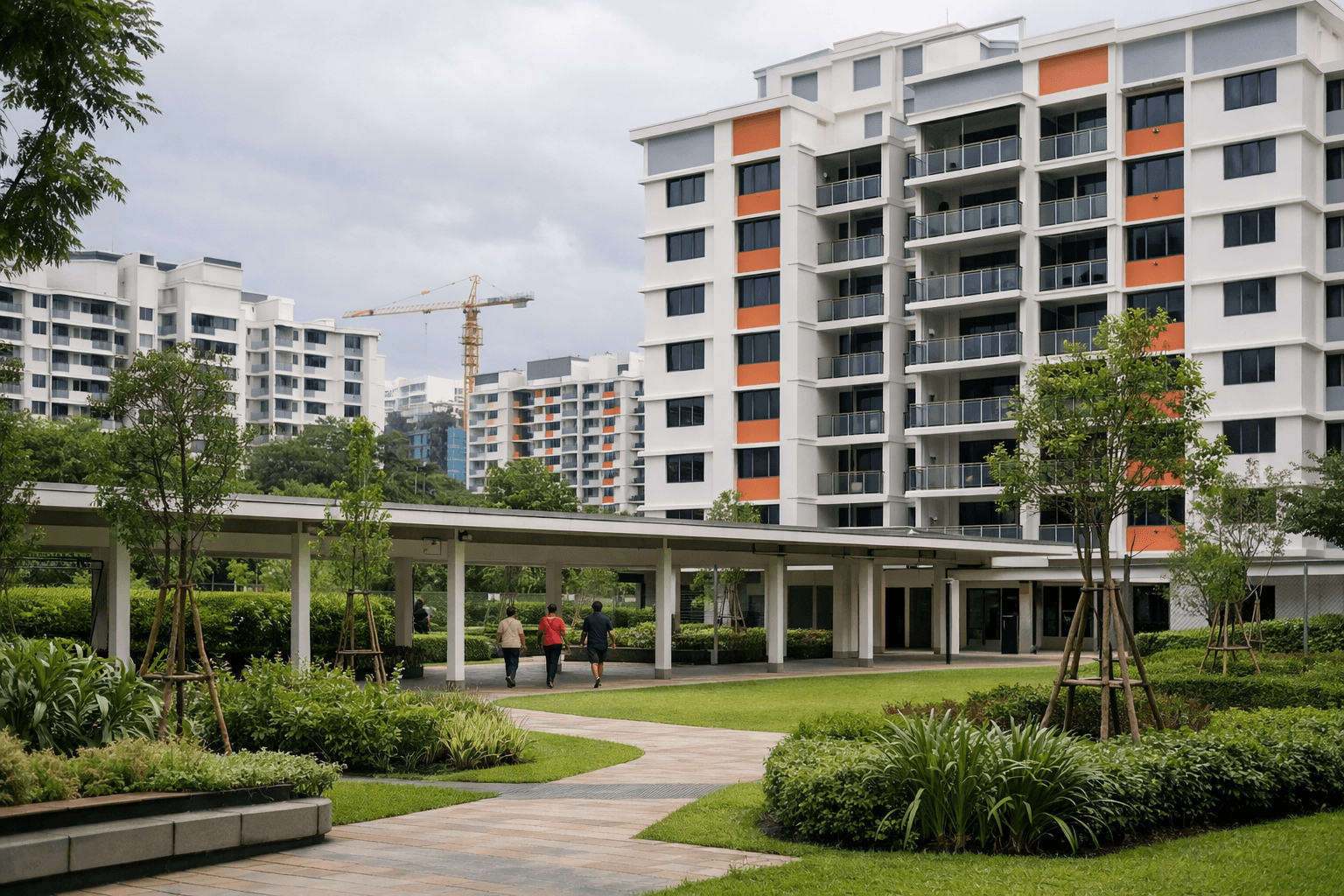
HDB Sale of Balance Flats (SBF): How It Works, the 2026 Application Rates and How It Compares With BTO
The Sale of Balance Flats sells leftover and repurchased HDB flats, many close to completion. In February 2026, 4,320 flats drew 17,399 applications, and HDB's first-timer family rates for 3-room and bigger flats ran from 0.1 to 14.7.

HDB Flat Eligibility (HFE) Letter: How to Apply, How Long It Takes and the New 2026 Income Ceiling
The HFE letter is HDB's all-in-one check: flat eligibility, grants and HDB loan in one letter. It is free, takes up to a month and lasts 9 months, and families who apply from 24 August 2026 face a $16,000 income ceiling for subsidised flats and HDB loans.

Which WhatsApp CRM Actually Works for a Singapore Property Agent?
WhatsApp CRMs are compared on features and priced on seats, but they are all governed by Meta's 24-hour window and its approved-template requirement. This explains the rule, what separates a real integration from a link that opens your phone, and which products fit a Singapore property agent.

Is There a Genuinely Free CRM for a Singapore Property Agent?
Free CRM tiers are real, and each is free in a different way. Privyr's Free Forever plan limits you to engaging your most recent lead. Your agency's app costs nothing and does not leave with you. General-purpose free CRMs give you everything except property. Here is what each one actually withholds.
Real Estate Prospecting Software in Singapore: What Actually Works Here
Singapore has no MLS, so the American prospecting tools have nothing to feed on. What it does have is published transaction data — and PropertyGuru's Prospector turns that into owner mailing lists keyed on MOP, SSD and estimated gains. Here is what each approach can and cannot reach, and where a market-aware CRM fits.

Real Estate Lead Management Software: What It Does for a Singapore Property Agent
Lead management software promises to stop leads falling through the cracks. Most of it does that by reminding you. The honest question is what happens on the Monday the reminder fires and you still have nothing to say — because that, not forgetfulness, is why agents abandon these systems.

Prospecting, Lead Generation, Lead Management or CRM: What Does a Singapore Property Agent Need?
Prospecting is you going out. Lead generation is them coming in. Lead management is deciding who is real. A CRM is what keeps the relationship afterwards. Understanding which of the four your business is actually short of is worth more than any tool you buy — and in Singapore, one of the four barely exists as a product at all.

Privyr Alternatives for Singapore Property Agents
Privyr organises leads and reminds you to follow up. What it does not do is know anything about property. A dated comparison of Privyr against PropertyGuru's own agent tools, your agency's app, the team inboxes and PropKaki — what each costs, what each withholds, and which fits the way a Singapore property agent actually works.
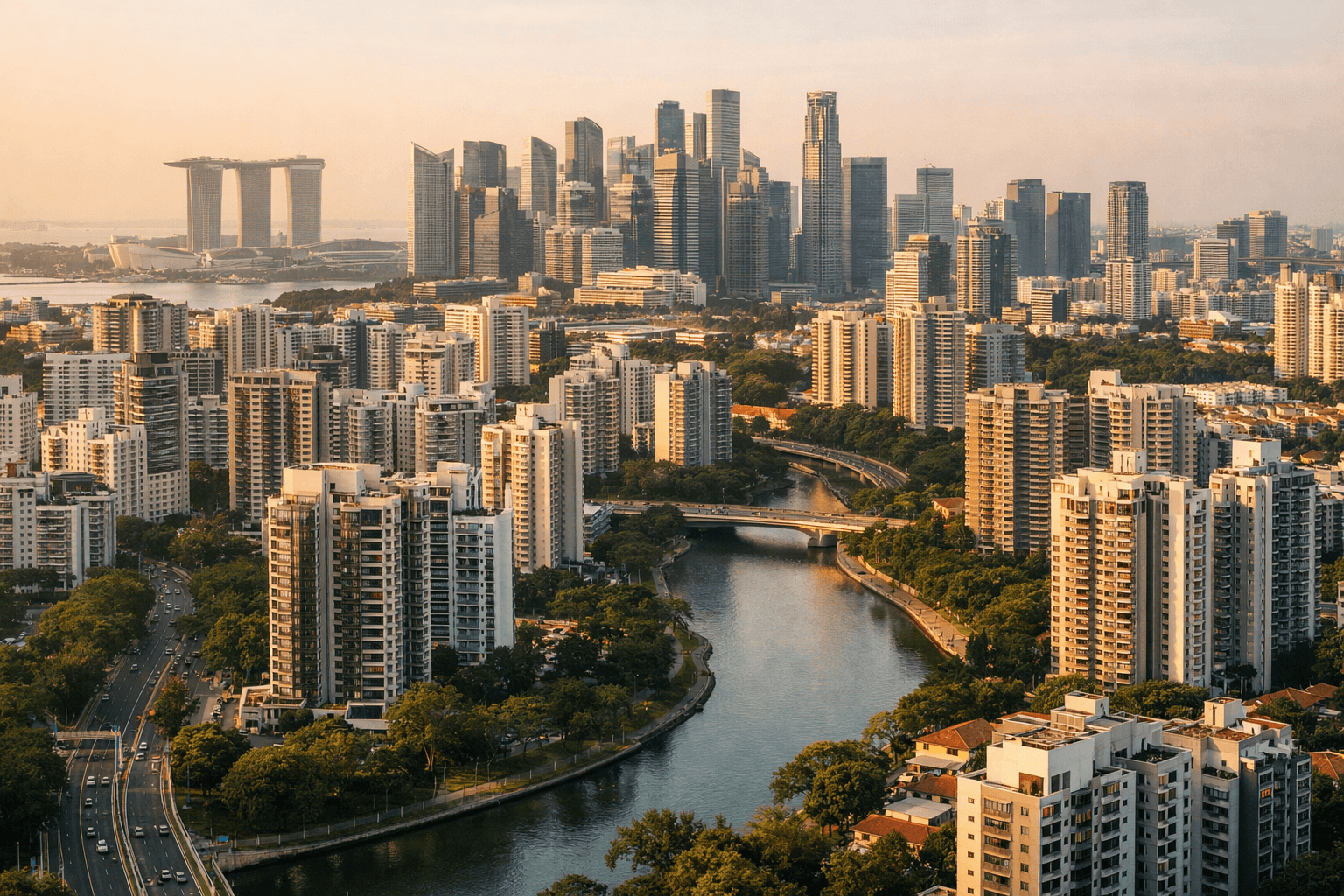
Singapore Private Property Prices by District: The Full PSF League Table (2026)
Where are private homes dearest, and where do they still transact below $1,300 per square foot? This is the full district-by-district league table of transacted private prices — median price, median PSF and sales volume — ranked from the priciest to the most affordable.
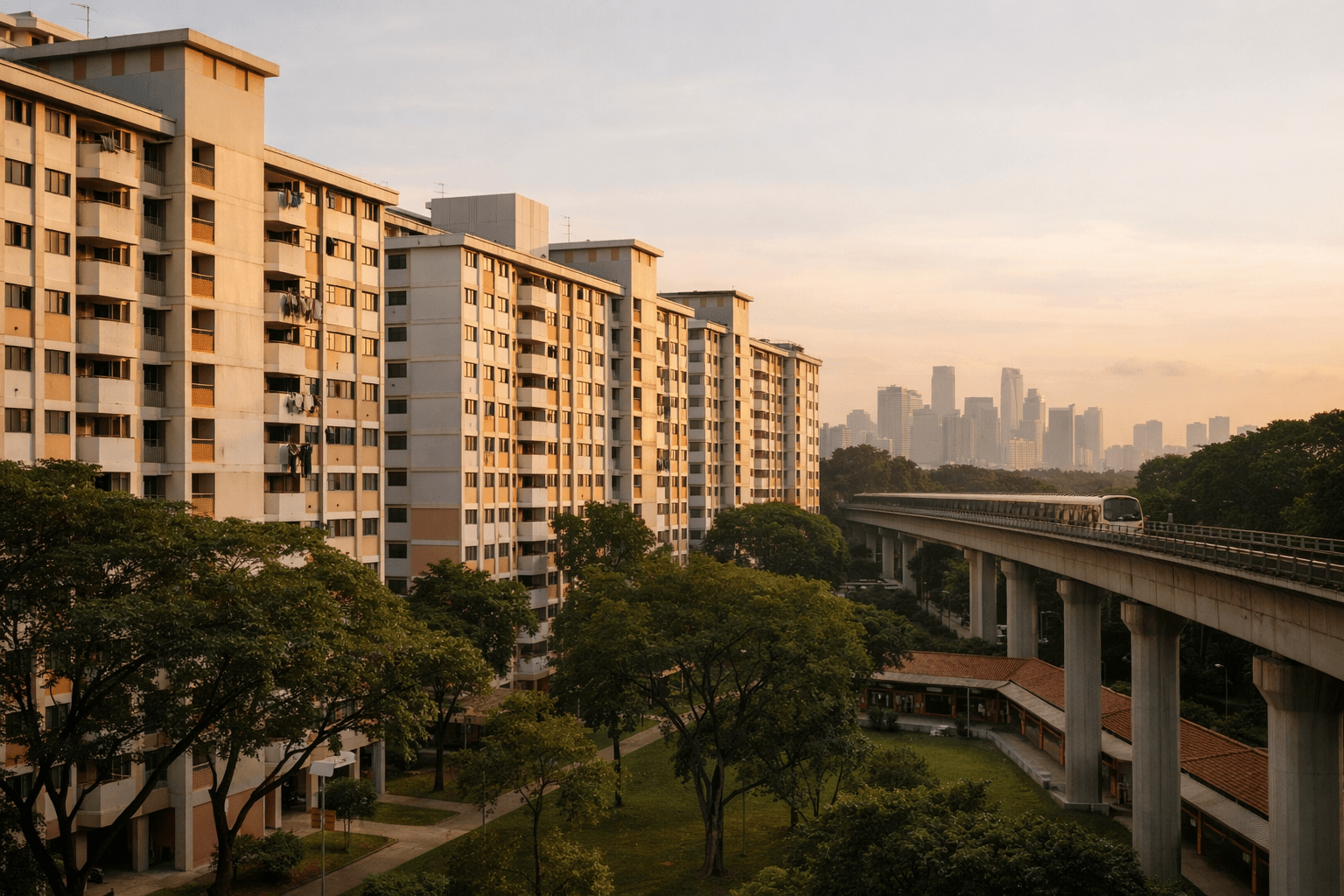
Million-Dollar HDB Flats in Singapore: How Many, Where, and What It Means (2026)
Million-dollar HDB resales have gone from a rarity to 6.4% of the market in two years. But they stay concentrated in a handful of mature, central towns and larger flat types. Here's the full data — by year, town and flat type — and what it means if you're buying or selling.
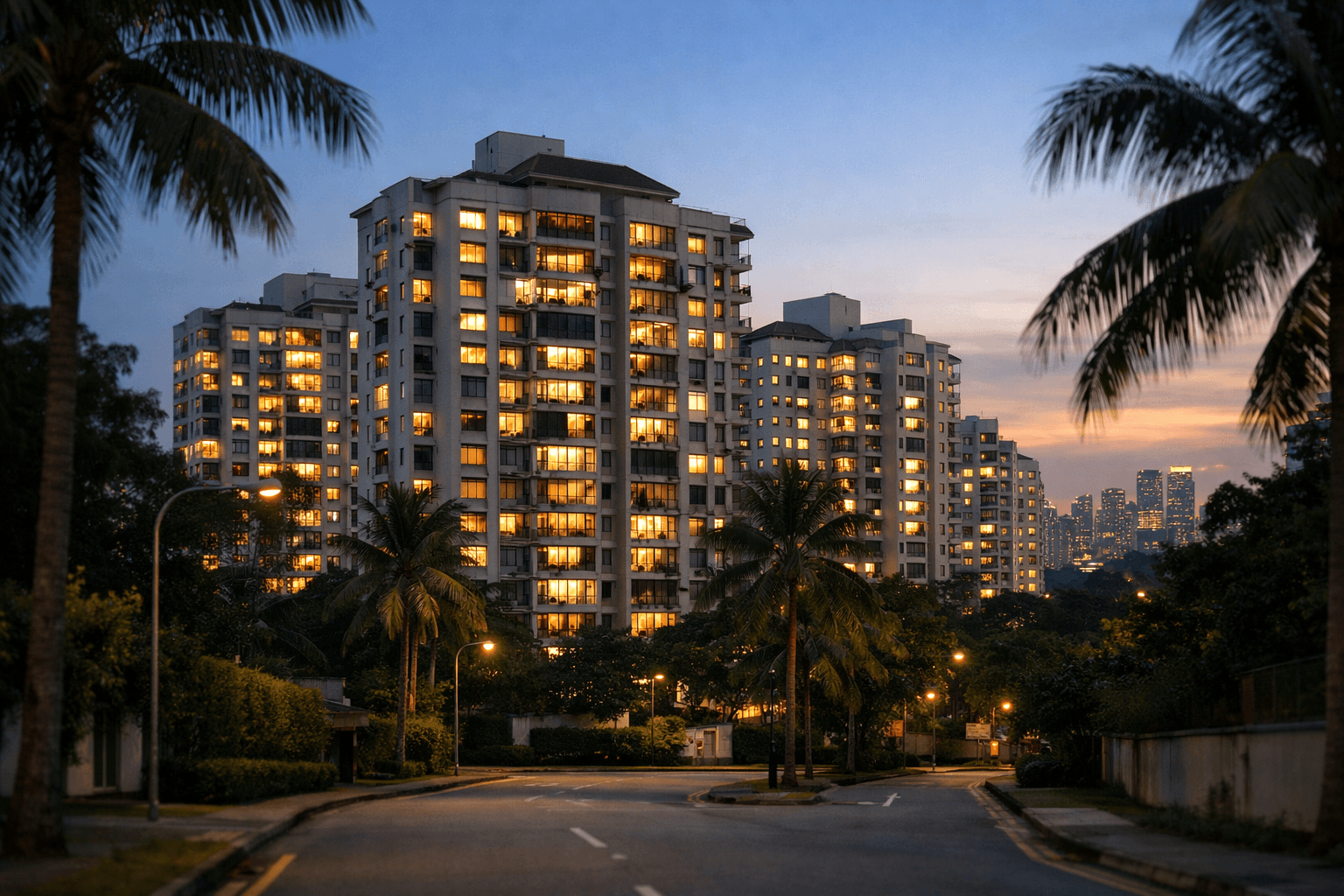
The Singapore Rental Market in 2026: Prices, Trends and What They Mean
The median private home in Singapore rents for $4,300 a month, but the story is the slowdown: after years of sharp rises, rents have essentially plateaued. Here's what homes rent for by size and region, where the market is heading, and what it means for tenants and landlords.
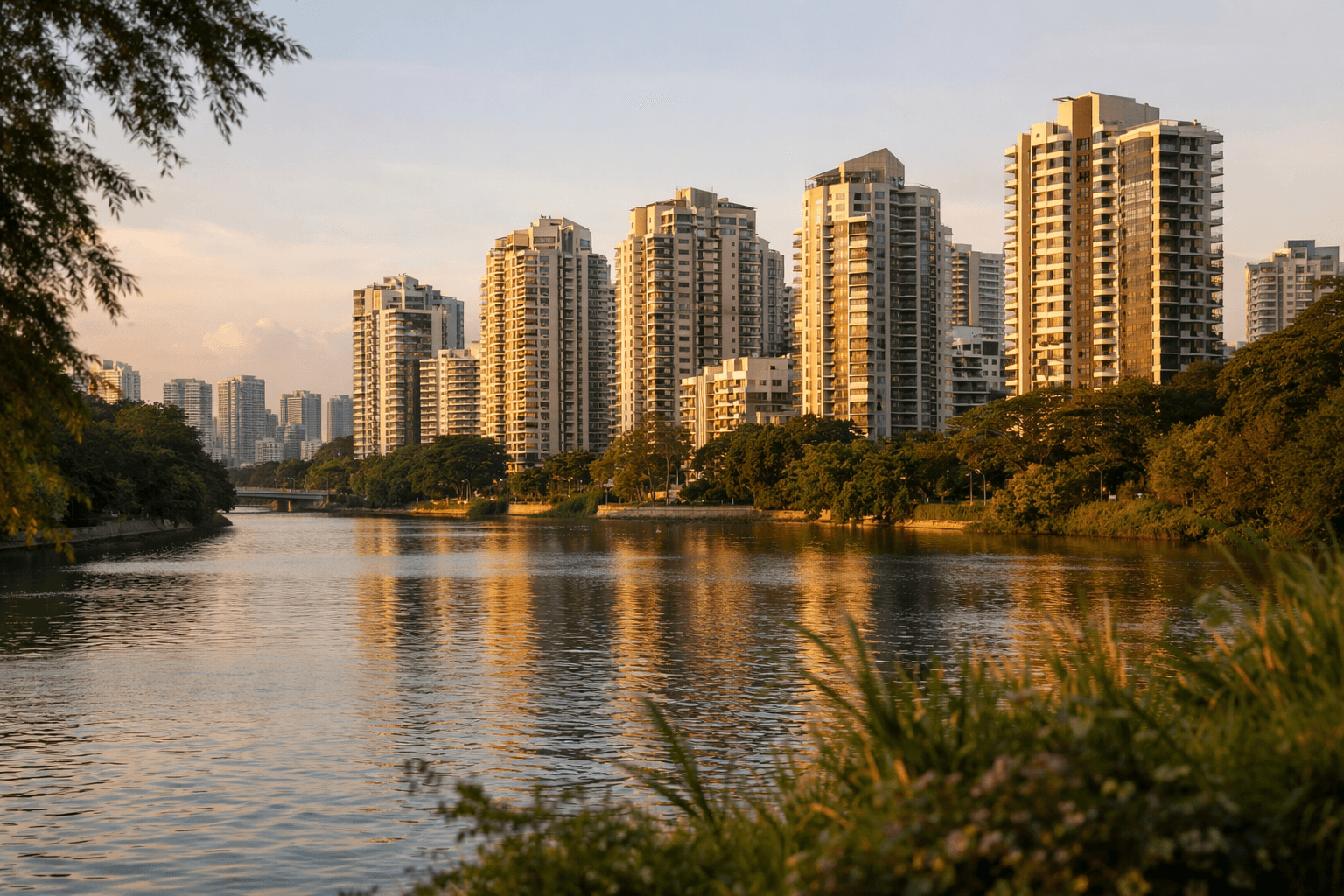
How Much Singapore Property Do Foreigners Own — and Still Buy? (2026)
Foreign ownership of Singapore property is a perennial talking point. The data settles it: PRs and foreigners own 16.1% of private homes, but foreigners now buy just 2.1% of new units — a fraction of what they did before the 60% Additional Buyer's Stamp Duty. Here's the full picture.
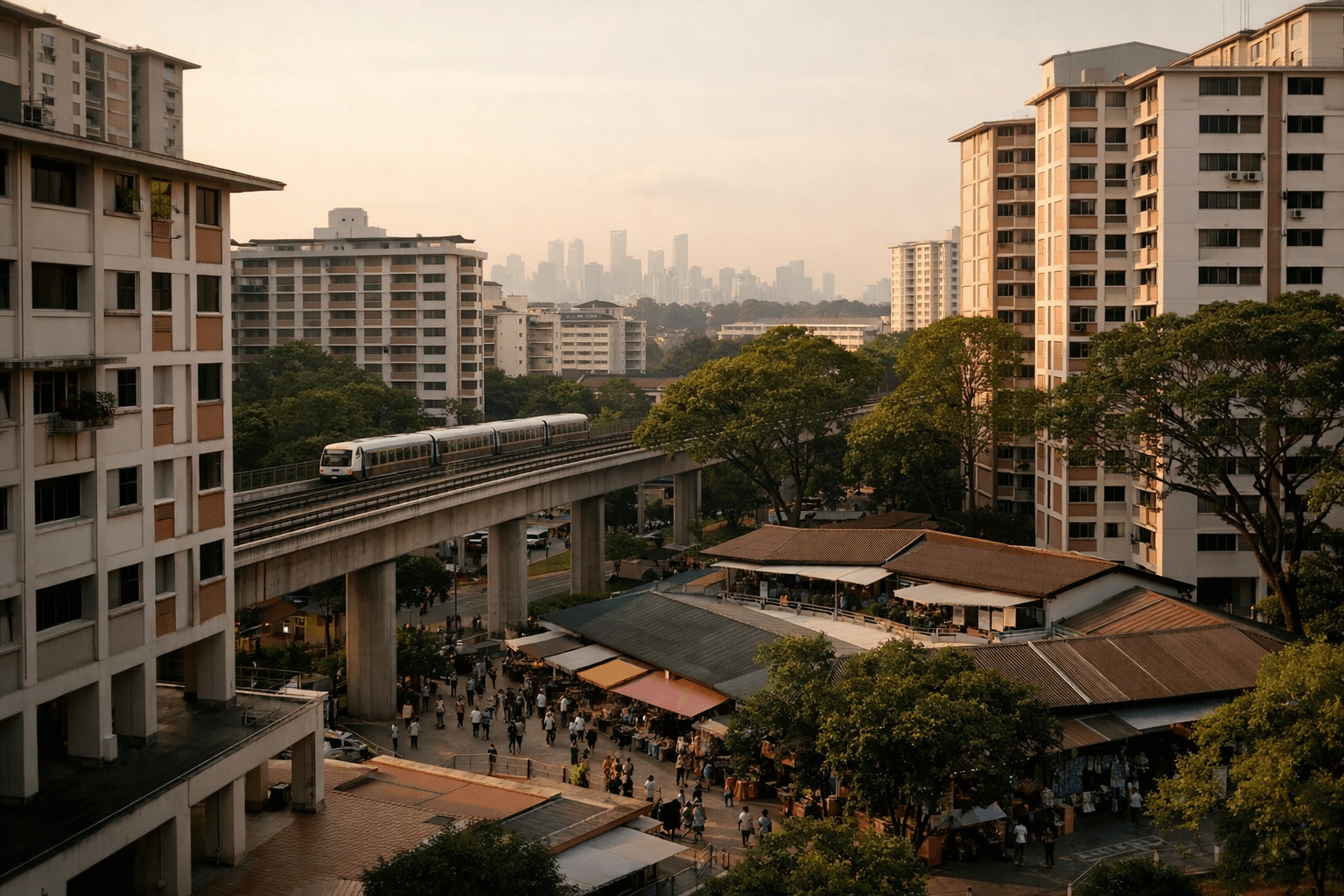
HDB Resale Prices by Town in Singapore: The Full 4-Room League Table (2026)
Where are HDB flats dearest, and where can you still buy a 4-room under $600,000? This is the full town-by-town league table of median 4-room resale prices, ranked from the Central Area down to Jurong West.

AI for First-Time Home Buyers in Singapore: Where to Start
First-time home buyers in Singapore face affordability rules, stamp duties, valuations and agent choice all at once, with no practice. AI can now carry most of that homework — working out what you can afford, checking if a price is fair, researching a home, and vetting an agent. This guide maps which parts of a first purchase to hand to AI, and which stay human.

Property AI Assistant on WhatsApp: Ask About Any Singapore Home in a Chat
A WhatsApp property assistant answers Singapore property questions right inside the chat you already use — valuations, fair-price checks, comparables, stamp duty and agent lookups — grounded in real transaction data. This guide explains what a WhatsApp property assistant does, how it differs from a search bot, whether you can trust its numbers, and how to get PropKaki's.

Best AI for Property Investors in Singapore: What to Actually Demand From It
The best AI for a Singapore property investor isn't the one with the slickest interface — it's the one that shows grounded profit odds, honest net yield, and the working behind them. This guide covers what an investor should demand from a property AI, how to read a base rate without fooling yourself, and where AI still can't make the call for you.

AI Property Search in Singapore: How to Find a Home Priced Below Its Value
AI property search in Singapore goes beyond filtering listings by price: a tool grounded in real transactions can flag homes priced below what comparable units actually sold for. This guide explains how AI property search differs from a portal filter, what 'good value' really means, how to search in plain language, and where AI still can't replace seeing a home yourself.
Can AI Predict Singapore Property Prices?
Can AI predict Singapore property prices? No — and any tool that claims a forecast is guessing with confidence. But AI can show you something more useful: the real base rate from hundreds of thousands of past resales, and how the odds shift with how long you hold. This guide explains what AI can and can't tell you about future prices, and how to use odds instead of a prediction.

Will AI Replace Property Agents in Singapore?
AI can now value a home, research a project and check an agent's track record in seconds — the homework buyers once needed an agent for. But negotiating, viewing a unit and carrying a deal are still human work. This guide explains what AI replaces, what it doesn't, and how the property agent's job in Singapore is changing rather than vanishing.
PropKaki vs MAIA, HomerAI and AskProp: Which Singapore Property AI Should You Use?
MAIA, HomerAI, AskProp and PropKaki are the main AI tools built for Singapore property — and they solve different problems. This is a fair, sourced head-to-head: what each does best, where PropKaki is stronger, where it is weaker, and which one to reach for depending on what you are trying to do.

Can AI Help You Check a Property Agent in Singapore?
Before you sign with a property agent in Singapore, AI can show you their real transaction record — what they have actually transacted, in which areas, and how recently — instead of the story on their profile. This guide explains what the data can tell you, what it can't, and how to use an agent's real activity to shortlist the right one for your situation.
AI Property Valuation in Singapore: How Accurate Is It, and Can You Trust the Number?
AI property valuation tools can value a Singapore home in seconds from recent comparable sales — but accuracy depends entirely on the comparables behind the number, and most tools never show you those. This guide explains how AI valuation works, how accurate it really is, when to trust it, and how to sanity-check the figure before you act on it.

Can You Use ChatGPT for Singapore Property? What It Gets Right, and What It Gets Wrong
ChatGPT and other general AI assistants can explain Singapore's property rules and help you think through a decision — but they aren't connected to live URA or HDB data, so a valuation or a current rate can be confidently wrong. Here is exactly where a general AI helps, where it misleads, and when to use a tool built on live Singapore data instead.
The Condos That Lost Money in Singapore (by Real Resale Data)
We matched 267,641 private resales into buy-and-sell pairs and ranked the projects by how their resales fared. The bottom of that list is not random — it is almost entirely prime CCR and Sentosa Cove luxury, bought at rich prices near a market peak. Here are the projects, the honest reasons behind the pattern, and the one caveat that matters most: each figure is a per-project median, not a verdict on every unit inside it.
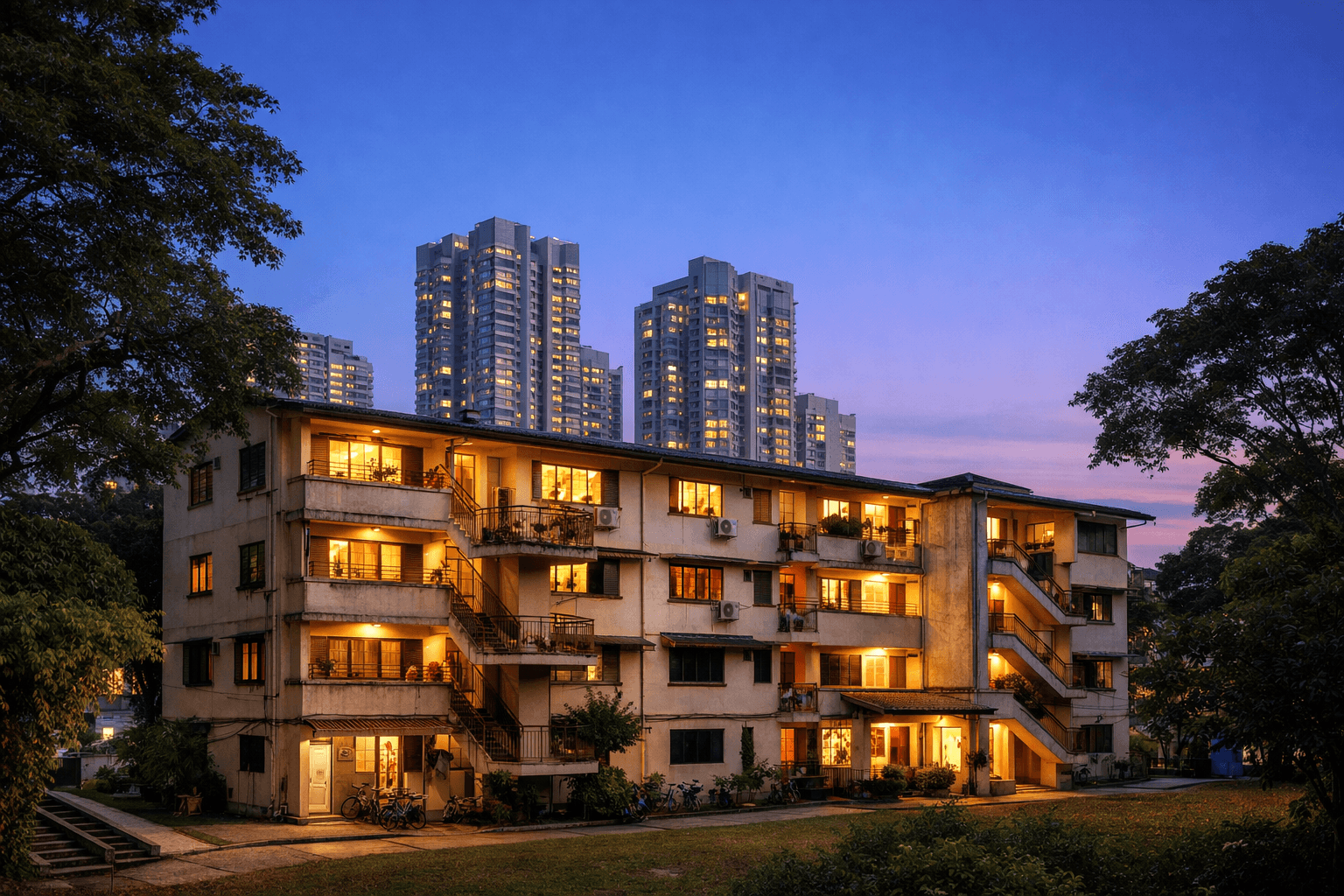
The Most Profitable Condos in Singapore — What the Resale Data Actually Shows
We ranked every private project by the median gain its owners actually banked on resale, using only projects with at least 20 matched buy-and-sell pairs. The winners are not the addresses you'd guess: the top of the percentage leaderboard is stacked with old, cheaply-bought condos and apartments, plus one executive condo that made money on all 127 of its resales. The biggest dollar wins were a different list entirely — prime landed houses — because a big percentage and a big cheque rarely came from the same home.
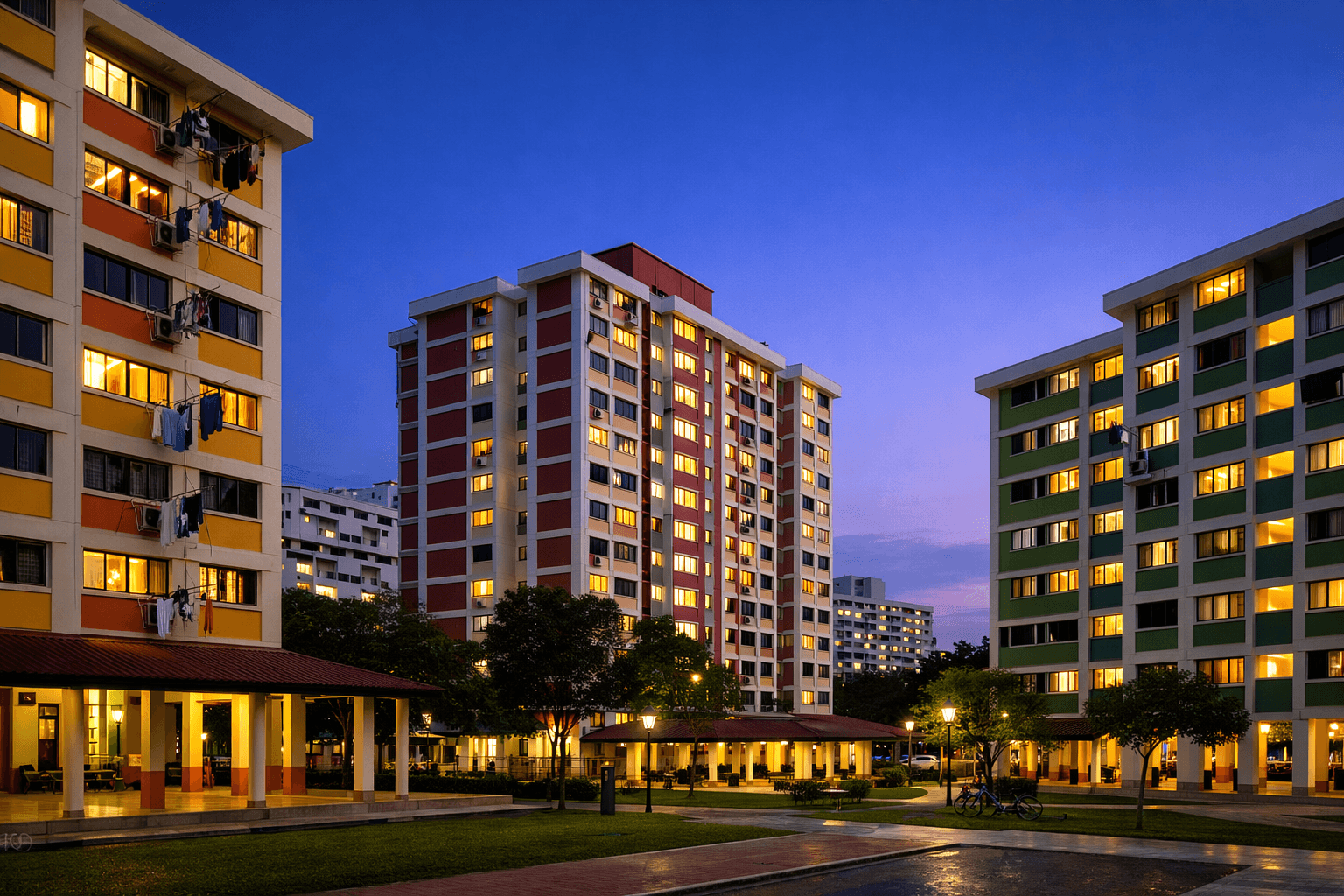
Do HDB Flats Make Money? Your Real Odds on an HDB Resale
"HDB always goes up" is the most repeated line in Singapore housing — so we tested it. We matched 375,562 HDB 4-room resales into buy-and-sell pairs: 73.3% sold above what the owner paid, a healthy majority but not the near-certainty most people assume, and lower than the 85.3% for private homes. This is your real base rate, and where it holds and breaks.
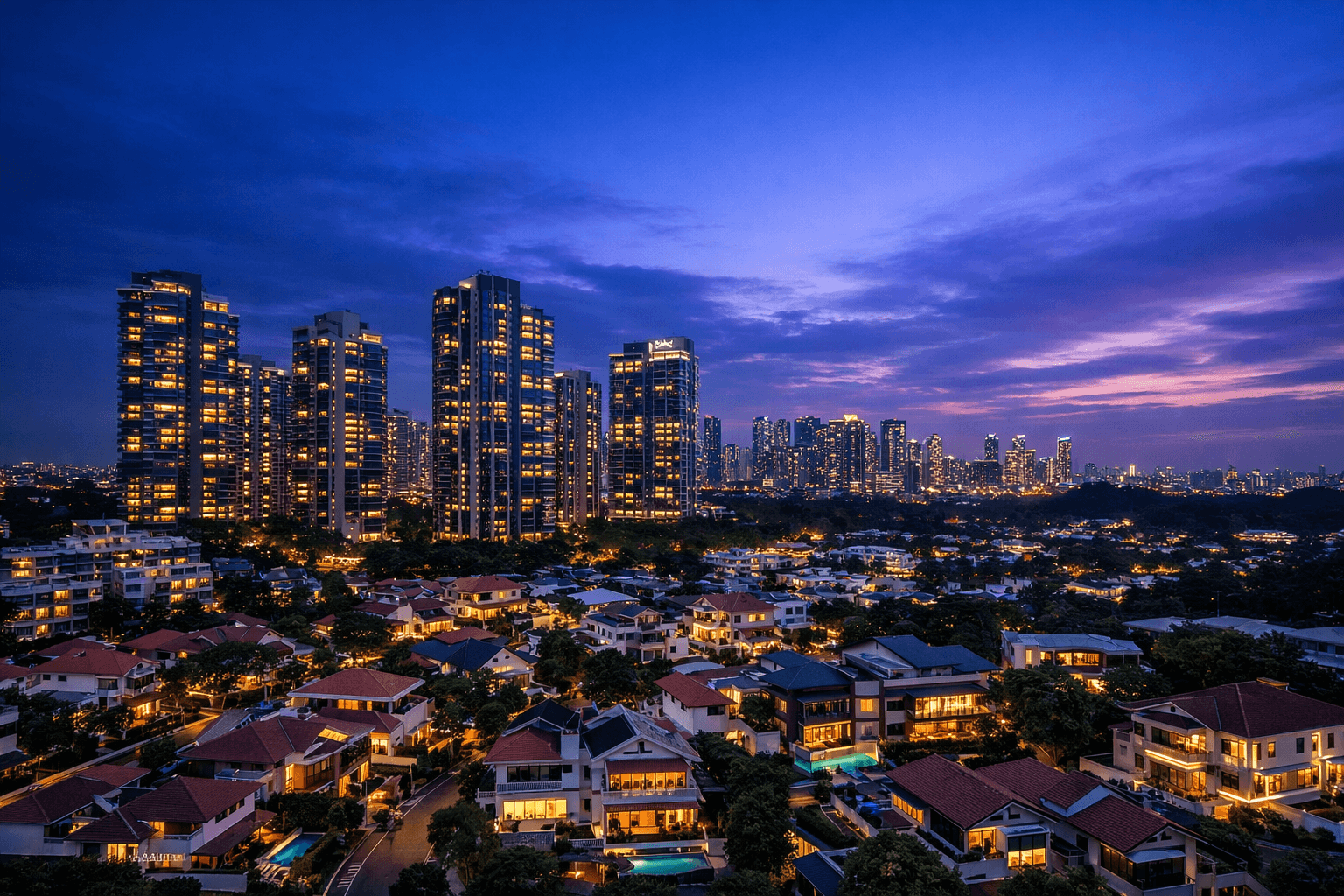
The Biggest Property Gains and Losses in Singapore's Resales
In a two-year window of 31,374 private resales, one Anderson Road condo sold for $45.69M more than it was bought for, and one Mount Rosie Road house sold for $24M less. We reproduce both leaderboards in full — and explain why these ultra-prime outliers tell you about the shape of the spread, not your own odds.
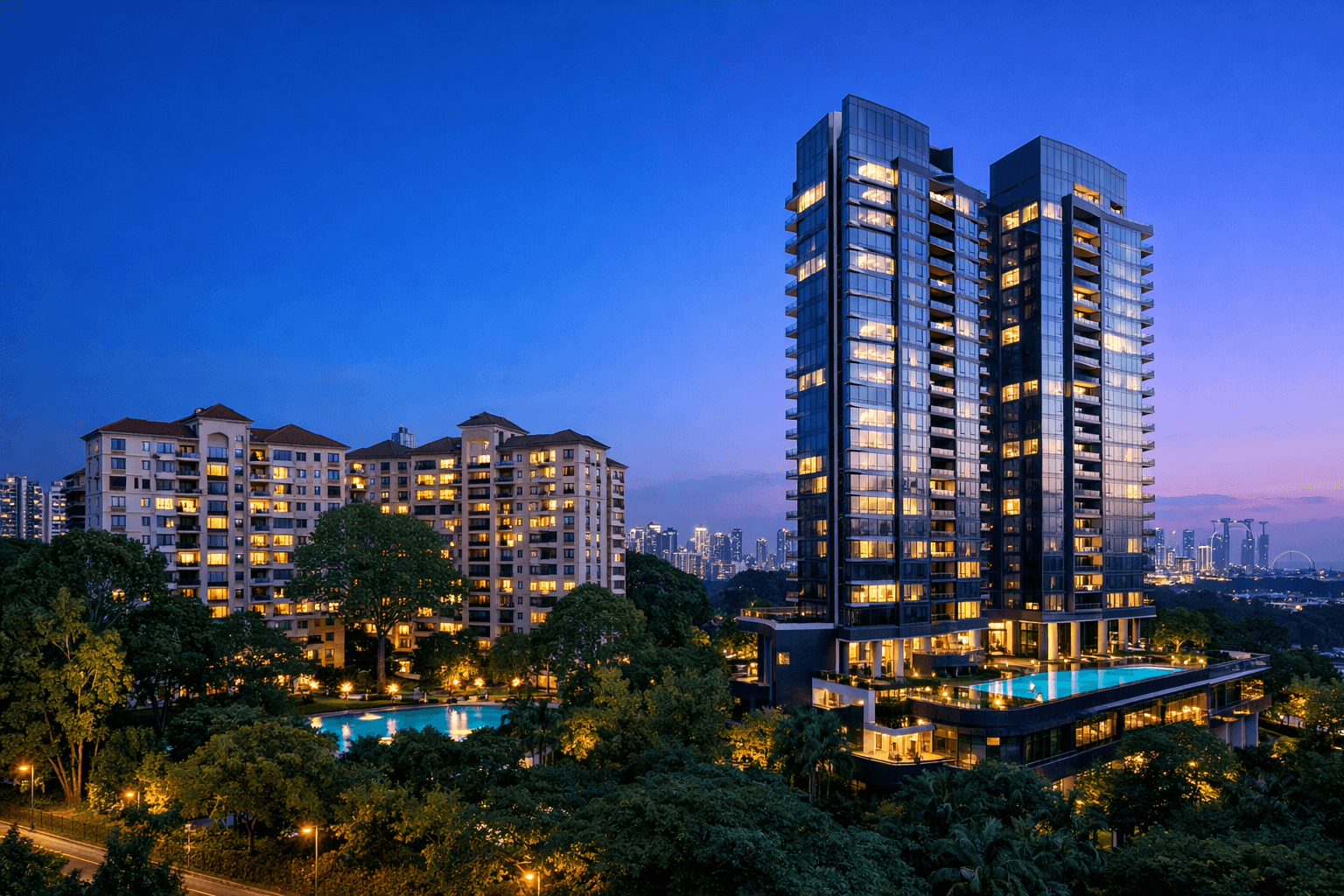
Freehold vs Leasehold: Which Actually Made More Money on Resale?
The myth is that freehold protects your money and leasehold bleeds it. So we tested it the only fair way: same unit size, condos and apartments only, no landed — matched freehold against leasehold pair for pair. Leasehold matched or beat freehold on the odds of resale profit in every size band; freehold led in none. But read it precisely — this is a narrow claim about resale profitability, not proof that leasehold is the better buy.
Did When You Bought Matter More Than What You Bought?
Two owners buy the same kind of condo and one profits almost every time while the other barely breaks even — the difference is often the year they bought. We matched 267,641 private resales by purchase era and found that vintage swung the odds of profit 37.2 points, the widest of any single factor. Here is the full table, why the mid-1990s buyers fared worst, and the survivor-skew trap that makes the newest buyers look safer than they are.
Are Executive Condos the Most Profitable Property in Singapore?
Executive condominiums were the quiet champion of the resale data: 93.1% of EC resales sold above cost with a median gross gain of 48.4% — the highest odds and the biggest typical gain of any property type. But that edge comes from a subsidised launch price and a set of strings — leasehold, eligibility limits, a 5- or 10-year MOP — that decide who can buy and when you can sell. Here's what the numbers show, and what they don't promise.
Do Cheaper Condos Make More Money in Singapore? (What Entry PSF Reveals)
We sorted 267,641 matched private resales by the price paid per square foot at purchase. The cheapest entries made the biggest gains by a wide margin, and the priciest returned just 0.9% a year gross — below what CPF pays for doing nothing. But "cheaper is always safer" is false: the best odds of profiting belonged to the mid band, not the cheapest.

How to Calculate Your Monthly Home Loan Repayment in Singapore
Your monthly home loan repayment in Singapore is fixed by three things: how much you borrow, the interest rate, and the tenure. This guide shows how the instalment is worked out, how much of it is interest, and why banks assess you at a 4% rate even when yours is lower.

How Much Cash Do You Need to Buy a Condo in Singapore?
Buying a condo in Singapore needs far more upfront than the downpayment. You also pay Buyer's Stamp Duty, any Additional Buyer's Stamp Duty, and legal and valuation fees — and at least 5% of the price must be physical cash. Here is the full bill, worked through.

Can You Afford to Upgrade From an HDB Flat to a Condo in Singapore?
Upgrading from an HDB flat to a condo in Singapore comes down to two sums: how much cash and CPF your flat sale frees up, and how much the condo needs upfront. The order you do it in matters enormously, because buying before you sell can trigger $280,000 in Additional Buyer's Stamp Duty.

How to Calculate Rental Yield in Singapore: Gross vs Net
Rental yield in Singapore comes in two versions: gross yield (annual rent divided by price) and net yield (after property tax, maintenance, agent fees and vacancy). The gross figure flatters; the net figure is what actually reaches you. This guide shows how to calculate both, with a worked example.

How Much Will You Actually Get When You Sell Your Property in Singapore?
The cash you walk away with after selling a property in Singapore is the sale price minus your outstanding loan, the CPF you must refund with accrued interest, any Seller's Stamp Duty, and selling costs. This guide works through what actually reaches your pocket — and what quietly goes back into CPF.
Does Buying Near an MRT Make a Property More Profitable in Singapore?
Every listing sells the MRT. So we tested it: homes within 400m of a station profited 86.5% of the time versus 85.3% for all private homes — a +0.1-point gap on the median gain. MRT proximity genuinely helps how fast a home rents and sells, but the resale-profit premium the label promises barely shows up in the data.
Where in Singapore Did Owners Actually Profit Most? CCR vs RCR vs OCR
The intuition is that prime central property is the safe bet. Across 267,641 matched private resale pairs, split by URA market segment, the Core Central Region had the lowest odds of profit and the smallest median gain, while Outside Central Region owners profited nearly as reliably as anyone and gained the most. Here is what the region-by-region numbers say, and how to use them when you pick where to buy.
How Long Should You Hold a Property in Singapore to Make a Profit?
There's no magic number of years, but the data draws a clear shape: sell in the 5-to-7-year window and your odds were the worst of any band; hold past ten years and 90.9% of owners profited, at roughly double the median gain. We matched 267,641 private resales to trace exactly how the odds moved with time — and why patience did most of the work.

Why Most Singapore Property Videos Fail — and What the Top 1% Decide Before Recording
Nearly half of Singapore property videos get under 1,000 views, while the top 1% capture a quarter of all views. Across ~10,000 videos, the winners were not better filmed — they made better decisions about format, title, and the first ten seconds. This is the argument, with the numbers.
Can You Use HDB Grants with an HDB Loan in Singapore?
Yes, generally you can use HDB grants with an HDB concessionary loan if you qualify for both. The practical point is that the grant usually supports the purchase through CPF OA, so treat it as part of your affordability stack, not cash in hand.

Can You Combine HDB Grants? EHG, Family Grant and PHG for Resale Buyers
Yes, some HDB grants can be combined for resale buyers, but only if you qualify for each grant separately. This guide explains the common EHG, Family Grant and PHG stack, who usually fits it, and what to verify before relying on any 'maximum total HDB grants' figure.

Do You Have to Refund HDB Grants When You Sell the Flat?
Usually, no separate cash repayment is made to HDB when an owner sells an HDB flat. In most ordinary resale cases, the grant is handled through CPF refund mechanics, often with accrued interest, which can reduce the seller's final cash proceeds.

Who Qualifies for the Enhanced CPF Housing Grant? EHG Eligibility Conditions Explained
Who qualifies for the Enhanced CPF Housing Grant? Usually eligible first-timer HDB buyers, but HDB checks the household, not just one applicant’s salary. This guide helps you screen first-timer status, household income, subsidy history, and resale lease issues before treating EHG as part of the budget.
Enhanced CPF Housing Grant for Resale Flat Buyers: Budget and CPF Planning Guide
Understand how the Enhanced CPF Housing Grant affects resale HDB budgets, CPF planning, and flat selection, plus what to verify before you rely on it.

Enhanced CPF Housing Grant for Singles: Eligibility, Income Checks and Common Mistakes
A practical EHG guide for single HDB buyers in Singapore. Learn who may qualify, how income is usually checked, and the mistakes that most often derail budgets and flat shortlists.

Family Grant HDB Resale: Eligibility, Checks, and What to Verify
The Family Grant is one of the first HDB resale grants many family buyers ask about. This guide explains who it is broadly meant for, what to verify before counting on it, and how it should shape shortlist, CPF, cash, and loan planning.
First-Timer vs Second-Timer HDB Grants: What Changes for Resale Buyers
For HDB resale buyers, first-timer and second-timer status is mainly about housing subsidy history, not simply past ownership. That difference can materially change grant expectations, especially for mixed-status couples.

Half Housing Grant Eligibility in Singapore: How It Differs from the Family Grant
“Half Housing Grant” is a common resale HDB shorthand, usually used for mixed first-timer and second-timer households. This guide explains what it usually means, how it differs from the Family Grant, and what to verify before you budget around it.
Citizen Top-Up Grant (HDB): What to Check When One Spouse Is Not Yet a Citizen
The HDB Citizen Top-Up Grant is not automatic just because one spouse is a Singapore Citizen and the other is not. This guide shows what to check first: exact spouse status, household profile, timing of any citizenship change, and HDB’s current wording before using the grant in affordability planning.

HDB Grants for Divorced or Widowed Buyers: What to Check First
Divorced or widowed buyers are not automatically first-timers. The key checks are prior ownership, subsidy history, household structure, and whether any title or estate issues are fully resolved.

Which HDB Grants Can Singles Use for BTO vs Resale?
Single buyers do not get one universal HDB grant package. For a single Singapore Citizen buying alone, the new-flat route usually starts with EHG, while resale may also open up the CPF Housing Grant for Resale Flats (Singles) and PHG if eligibility conditions are met.
How Much Is the Enhanced CPF Housing Grant (EHG)?
The Enhanced CPF Housing Grant is not one fixed sum. The amount depends mainly on your household income and eligibility, so treat it as a provisional planning figure until HDB confirms your profile.
How Much Is the Proximity Housing Grant? PHG Amounts and What Changes the Tier
The Proximity Housing Grant is a resale-only CPF housing grant for buyers living with or near parents or children. The amount is tiered by household setup, so verify your relationship and address arrangement before using PHG in a budget.
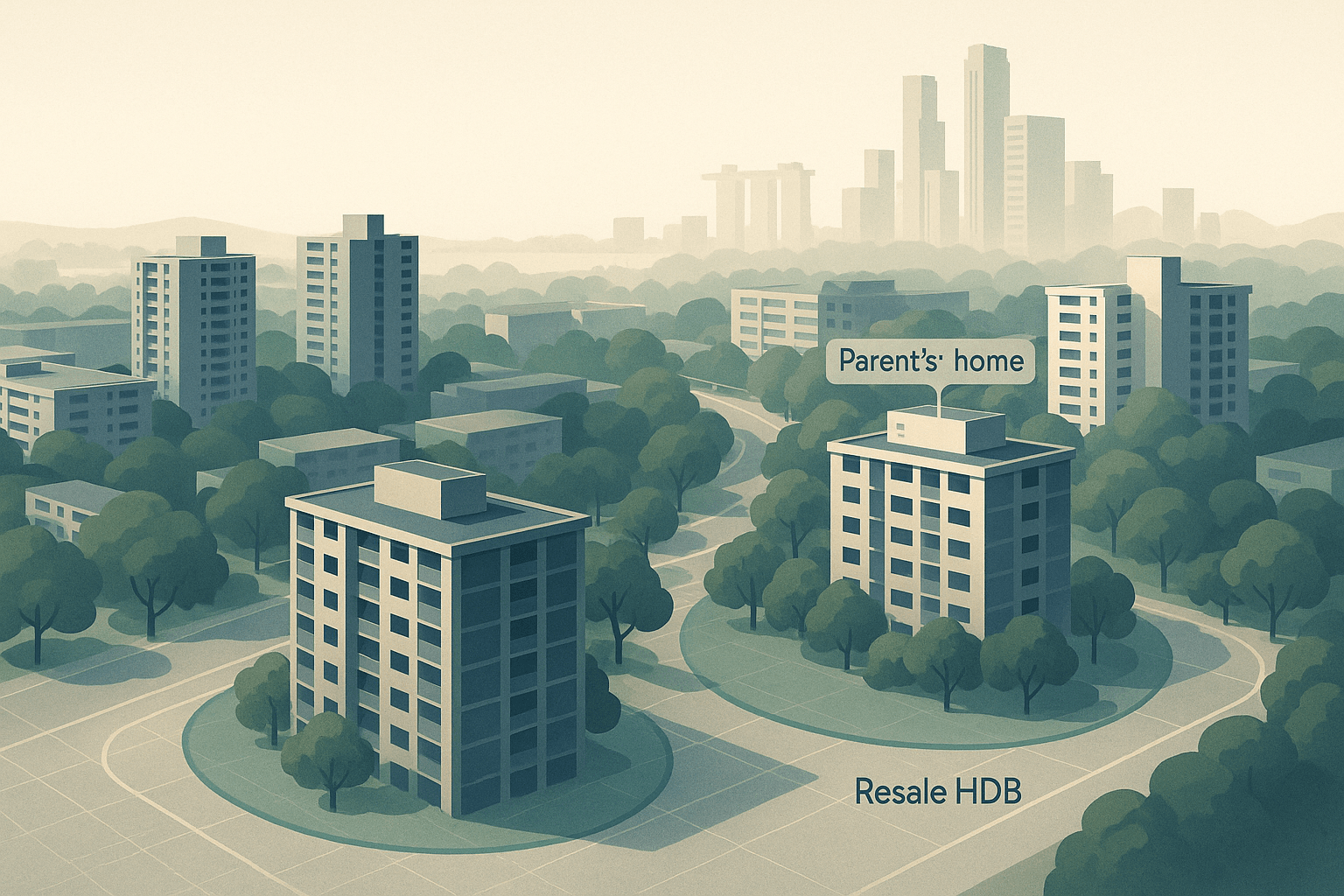
How to Check If a Resale Flat Is Within 4km of Parents for PHG
To check whether a resale flat is within 4km of parents for PHG, use HDB’s official distance enquiry with the exact flat address and the parents’ actual residential home address. Treat the result as a pre-offer screening step, not final grant approval.

Single 35 Resale PHG Grant: Eligibility, 4km Rule and Common Pitfalls
Can a single Singapore Citizen get PHG on a resale flat near parents? This guide shows what to verify: the single-buyer route, the 4km test, the actual residential address HDB will assess, prior PHG use, and the mistakes that most often lead to false assumptions.

Buy Flat Near Parents or With Them? How PHG Changes the Decision
A practical guide to the grant for buying a flat near parents or children, how "near" differs from "with", and what to verify before you treat a unit as PHG-qualified.

Proximity Housing Grant (PHG) Eligibility: Who Can Apply and What the 4km Rule Means
PHG is a resale-only HDB grant for eligible buyers who want to live with or near their parents or children. This guide explains who can apply, how the 4km rule works, and the common eligibility mistakes to clear up before you rely on the grant.

When Are HDB Grants Credited to CPF OA?
HDB grants are usually credited into CPF OA at the relevant purchase milestone, not paid out as cash or released at HFE approval. This guide explains the usual timing for resale and new flats, how the credit affects downpayment and completion planning, and what to verify before you rely on the grant.

CPD Courses for Real Estate Agents in Singapore: How to Choose Useful Options
What CPD courses are available for real estate agents in Singapore, and which ones are actually worth taking? This guide explains the main course categories, how to match them to your business segment, and what to verify before you enrol.

What Are the CPD Requirements for Property Agents in Singapore?
Understand the CPD requirements for property agents in Singapore in plain language. This guide explains who CPD usually applies to, what training typically counts, what should not be assumed to count, and how CEA's 16-hour framework, in force since 1 January 2026, splits across categories.

How Co-Broking Works in Singapore Property: Roles, Fees, and Commission Flow for Agents
Co-broking is a transaction workflow between two agents or agencies on the same deal. This guide explains representation, commission flow, and the main mistake behind most disputes: assuming the fee arrangement is understood before it is confirmed in writing.

How Long Is the RES Course in Singapore? Duration, Format and What to Expect
RES course duration in Singapore is a provider timetable issue, not a fixed national number. This guide explains the usual range, how weekday, weekend and intensive formats differ, and what working adults should check before enrolling.

How Much Can a New Property Agent Make in Singapore? A Realistic First-Year Guide
Realistically, a new property agent in Singapore earns commission, not salary. This guide explains why first-year income is usually uneven, how long the first deal may take, and what to budget before commissions arrive.

How to Build a Property Agent Team in Singapore
Build a team only when it removes a real bottleneck. This guide shows Singapore property agents when to add support, which team model fits, how to recruit reliably, and what systems prevent lead and commission disputes.

How to Pass the RES Exam in Singapore: A Practical First-Try Study Guide
A practical RES exam preparation guide for aspiring Singapore property agents. Learn how to structure revision, use mock questions properly, and avoid common mistakes that waste study time.

How to Switch Property Agencies in Singapore: Notice, Listings, and CEA Transfer
Switching property agencies in Singapore is both a CEA registration transfer and a contract-driven handover. Before resigning, agents should review notice terms, active listings, commissions, system access, and handover obligations.

Property Agent Commission Split in Singapore: Gross Commission vs Take-Home Pay
Learn how property agent commission split works in Singapore, from co-broking and agency or team sharing to the deductions that reduce actual take-home pay.

Property Agent Salary Singapore: Do Agents Get a Basic Salary?
Most property agents in Singapore are paid mainly through commission, not a conventional monthly salary. This guide explains how gross commission, agency splits, allowances, and business costs affect real take-home pay.
Property Agent Requirements in Singapore: Eligibility, RES, and What to Check First
A plain-English guide to property agent requirements in Singapore: what the CEA pathway covers, who should verify eligibility early, and what to check before spending on RES training.

Property Agent Startup Costs in Singapore: What New Agents Should Really Budget For
How much does it cost to become a property agent in Singapore? Budget for the RES course and exam, agency onboarding, monthly operating costs, and a cash runway before the first commission arrives. The bigger issue is usually cash-flow timing, not one headline fee.

How Long Does It Take to Become a Property Agent in Singapore? A Step-by-Step Timeline
A realistic timeline for becoming a property agent in Singapore, from RES course enrolment to CEA registration, with the steps that most often slow candidates down.

RES Course Fees in Singapore: What’s Included, What’s Extra, and What to Budget For
Understand what RES course fees in Singapore usually cover, what providers commonly charge separately, and what to verify before enrolling so you can budget properly.

RES Exam in Singapore: Course Path, Exam Format, and What to Expect
Understand what the RES exam in Singapore is, where it fits in the salesperson pathway, what the exam usually looks like, and what to verify before you pay for a course.

RES Exam Syllabus Paper 1 and Paper 2 in Singapore: What Candidates Need to Cover
This guide breaks down the RES exam syllabus into Paper 1 and Paper 2 in plain English, so Singapore candidates can see what each paper usually covers and revise more efficiently. Use it as a study map, then confirm the latest official syllabus before you lock in your prep.
What to Consider Before Joining a Property Agency in Singapore
Choosing a Singapore property agency is not just about brand name or commission split. Compare the actual team, onboarding, mentorship, compliance support, tools, lead model, and full fee structure before you sign.

Where to Take the RES Course in Singapore: How to Compare Approved Providers
Before you pay for any RES course in Singapore, verify the provider on CEA’s current approved list. Then compare timetable, delivery mode, revision support, location, and registration smoothness.

CRM for Property Agents in Singapore: What to Track and Why
A useful CRM for Singapore property agents is a live follow-up system, not just a contact database. Track source, client type, stage, next action, due date, and short notes so you can reply faster and avoid missed callbacks.

Email Drip Campaigns for Real Estate Leads in Singapore: A Practical Guide for Property Agents
Email drip campaigns help Singapore property agents follow up consistently with leads from property portals, listing pages, referrals, social media, and open houses. This guide shows who to nurture, what to send, how often to email, and which metrics matter if you want more qualified conversations rather than just more opens.

Facebook Ads for Property Agents in Singapore: When They Work and How to Get Better Leads
Facebook Ads can help Singapore property agents generate buyer, seller, landlord, and tenant enquiries, but only when the campaign has a clear objective, a specific offer, relevant targeting, and a follow-up process that is ready to respond. Cheap leads are not the same as useful leads.

Google Ads for Real Estate Agents in Singapore: Leads, Intent, and Strategy
Google Ads can work for Singapore property agents when the goal is to capture active search intent, not just buy traffic. This guide explains the enquiry types search ads usually attract, when they outperform Facebook or Instagram ads, and what you should set up before spending.

How to Ask Clients for Testimonials as a Property Agent
Want more client testimonials but hate asking? This guide shows Singapore property agents when to ask, what to say on WhatsApp or email, how to make replies easy, and how to reuse testimonials responsibly with clear permission.

How to Build a Property Agent Brand on Instagram in Singapore
Instagram works best for Singapore property agents as a credibility and positioning layer, not a follower game. A strong account quickly shows who you help, what segment you cover, and why a prospect should trust you enough to message you.

How to Capture Leads From Property Listings on Your Website
A practical guide for Singapore property agents on converting listing visitors into qualified enquiries using dedicated listing pages, clear next-step CTAs, short forms, open house registration, and structured follow-up.

How to Follow Up with Property Leads Without Sounding Pushy
Learn how to follow up with property leads in Singapore without sounding pushy. This guide covers practical timing, WhatsApp and call scripts, warm-lead nurturing, dormant lead reactivation, and simple CRM habits for agents.

How to Get More Google Reviews as a Property Agent in Singapore
To get more Google reviews as a Singapore property agent, ask right after a positive milestone, send a short personal message with a direct review link, and prompt for specific service details. Focus on authentic, recent reviews that strengthen trust.

How to Market Yourself as a Property Agent in Singapore Without a Big Track Record
To market yourself as a property agent in Singapore, focus less on looking busy and more on being easy to understand: pick a clear niche, explain how you help, show credible proof, and use channels you can sustain.

How to Retarget Property Leads with Facebook Ads in Singapore
Facebook retargeting works best as warm-lead follow-up, not cold prospecting. This guide shows Singapore property agents how to retarget the right audiences, avoid wasted spend, match ads to lead stage, and judge success by replies and appointments rather than clicks alone.

Property Agent LinkedIn Strategy Singapore: How to Build Credibility and Referrals
LinkedIn works best for Singapore property agents as a credibility and referral platform, not a hard-selling lead machine. Use it to sharpen your profile, publish useful market commentary, and stay visible to professional contacts who may refer you.

Real Estate Email Newsletter Ideas for Singapore Property Agents
Singapore property agents do not need flashy email newsletters. They need a repeatable format with useful market context, hyperlocal insights, and simple client takeaways that help readers make better decisions.

What Should a New Property Agent Post Every Week? A Simple Weekly Content Mix
New property agents do not need daily content. A simple weekly mix of education, trust-building, and local property posts is usually easier to sustain and more useful to Singapore clients.

AML Checks Property Agents Must Do in Singapore
Singapore property agents should do practical AML checks before materially progressing a deal: verify identity, confirm authority to transact, understand who really controls the transaction, and slow down when the money flow or explanation does not make sense. This guide focuses on workable red flags, internal escalation, client-friendly scripts, and the records that help show a clean compliance trail.

Can a Property Agent Charge Commission Without a Signed Estate Agency Agreement?
A verbal understanding may start the work, but it is a weak basis for a commission dispute. This Singapore guide explains the difference between verbal instruction, written authority, and a signed estate agency agreement, plus the records that make a commission claim easier to defend.

Can Property Agents Take Referral Fees in Singapore?
For Singapore property agents, the safer question is not just whether a referral fee is allowed, but whether it could influence advice, requires written disclosure, or needs agency approval first.

CEA Disciplinary Action Against Property Agents in Singapore: What It Means and What to Do
A CEA complaint is not the same as disciplinary action. This guide explains how complaints may progress, what conduct draws scrutiny, and what records to prepare before you reply.

CEA Rules on Handling Client Money for Property Agents in Singapore
A practical guide to CEA-related expectations on handling client money for Singapore property agents: what not to touch, how commission should be documented separately, why direct payment is usually safer for deposits and transaction monies, and what records should exist.

Conflict of Interest for Property Agents in Singapore: Common Situations to Watch
Conflict of interest for Singapore property agents is not just about commission. This guide covers personal ownership, family links, side benefits, dual representation pressure, disclosure, and when recusal is the safer move.

CEA Dual Representation Rules: What Singapore Property Agents Need to Know
A practical Singapore guide for property agents on dual representation risk, commission disclosure, same-agency transactions, co-broking, written consent, and what to keep on file.
Exclusive Estate Agency Agreement (CEA Form 5) Explained
A practical guide to the exclusive estate agency agreement in Singapore (CEA's Form 5 for a sale): what exclusivity changes, how outside enquiries and co-broking are usually handled, and which clauses agents should clarify before advising clients.

CEA Complaint Against a Property Agent in Singapore: Process, Evidence, and What Agents Should Do
Learn when a CEA complaint against a property agent in Singapore is relevant, what conduct is commonly reported, how the complaint process usually starts, what evidence carries the most weight, and what agents should preserve immediately.

How to Renew CEA Property Agent Registration in Singapore
A practical guide to renewing CEA property agent registration in Singapore, including what to check before renewal, how to confirm active status, and what to do if your registration lapses or approval is delayed.

KYC Requirements for Property Agents in Singapore: What to Check Before Taking Instructions
A practical KYC and customer due diligence guide for Singapore property agents. Learn what to verify for individual and corporate clients, how to confirm authority to instruct, when beneficial owner questions matter, and what to keep on file before proceeding.

What Property Agents Should Check Before the Sale and Purchase Agreement
Before the lawyer drafts the Sale and Purchase Agreement, the agent should lock down the commercial deal, verify the legal parties and authority, record what is included, and flag possession or tenancy issues in writing.

What Happens If a Property Agent Is Not Registered with CEA in Singapore?
If a person is not registered with CEA through a licensed estate agency, they should not be acting as a property agent in Singapore. Here are the practical risks for clients and agencies, the red flags to watch for, and how to verify status quickly on the official CEA Public Register.

Tenancy Agreement Paperwork in Singapore: What Property Agents Actually Handle
For Singapore property agents, tenancy agreement paperwork is mainly a coordination and quality-control job: collect the right documents, make sure the draft lease matches the negotiated deal, and document inventory and handover properly.

What Records Must a Property Agent Keep for CEA Compliance in Singapore?
For CEA-ready record keeping, property agents should keep more than the final signed form. A defensible client file usually includes identity and authority records, appointment and instruction documents, disclosure notes, message trails, transaction paperwork, and dated chronology notes.

Who Prepares the Option to Purchase (OTP) in Singapore? A Practical Guide for Property Agents
In Singapore, who prepares the OTP depends mainly on the transaction type. HDB resale follows HDB’s prescribed OTP process, while private property is commonly handled through the seller’s solicitor or conveyancing side, with the agent coordinating and checking the agreed terms.

Best and Final Offer Property Singapore: A Practical Guide for Agents and Buyers
A best-and-final offer round is a disciplined way to run a competitive property deal in Singapore, not a bidding-war drama. Buyers should set a hard ceiling before submitting, and agents should verify the seller's deadline, format, validity, and preferred non-price terms before advising a client to proceed.
How Much Below Asking Price Should You Offer for a Condo in Singapore?
There is no fixed Singapore rule for how far below asking price to offer on a condo. A defensible first offer should start with recent comparable transactions, then adjust for unit condition, listing history, market pace, and the buyer's walk-away point.

How to Counter a Property Offer in Singapore: A Practical Guide for Agents
Learn how Singapore property agents can counter a property offer with a defensible number, clearer terms, and a message that keeps the deal moving. Covers resale, new launch, and rental negotiation scenarios.

How to Get a Hesitant Buyer to Commit After Multiple Viewings
If a buyer keeps viewing but still will not commit, the problem is usually not a lack of interest. It is an unresolved objection. This guide shows Singapore property agents how to diagnose the real blocker, handle price, timing, financing, and condition objections, and ask for a concrete next step instead of another vague viewing.

Client Says Commission Too High? How Singapore Property Agents Should Respond
How should a Singapore property agent respond when a client says the commission is too high? Start by acknowledging the concern, diagnose whether the issue is price, trust, scope, or comparison shopping, then bring the discussion back to service scope, process, and written terms.

How to Handle Multiple Offers on Your Property in Singapore
When a property draws multiple offers, the seller should not chase the highest number blindly. Compare price, financing readiness, timing, conditions, and documentation side by side before recommending which offer is actually strongest.

How to Handle Seller Objections at the Closing Stage: A Practical Guide for Singapore Property Agents
Closing-stage seller objections usually signal uncertainty, not a final rejection. This guide shows Singapore property agents how to slow the conversation down, uncover the real blocker, and move the seller toward a clear next step without sounding pushy.
How to Negotiate HDB Resale Price in Singapore: A Practical Buyer-Side Playbook
Learn how to negotiate an HDB resale price in Singapore by anchoring offers to recent transacted prices, checking likely valuation and financing limits, and using timing or inclusions when price alone will not close the gap.

How to Negotiate a Co-Broke Split Between Agents in Singapore
Co-broke split in Singapore is negotiated, not fixed. This guide shows property agents how to clarify roles, discuss the split early, document terms properly, and keep the transaction moving without unnecessary friction.

How to Negotiate Repairs Before Closing a Property Deal in Singapore
Negotiate repairs before closing by separating real defects from normal wear, checking the written terms, and choosing the cleanest remedy: seller repair, buyer credit, or price adjustment. This guide helps Singapore agents keep repair discussions factual and completion-focused.

How to Renegotiate Property Price After a Low Bank Valuation in Singapore
A low bank valuation does not automatically change the agreed sale price, but it can create a loan shortfall that forces a new negotiation. Here is how Singapore property agents can explain the gap, gather comparables, and work toward a realistic fix.

How to Respond to a Lowball Offer on Your House in Singapore
A low offer is not automatically a bad offer. In Singapore property sales, the right response depends on market evidence, buyer seriousness, and seller urgency. This guide shows agents what to say first, when to counter, when to hold firm, and when to walk away.
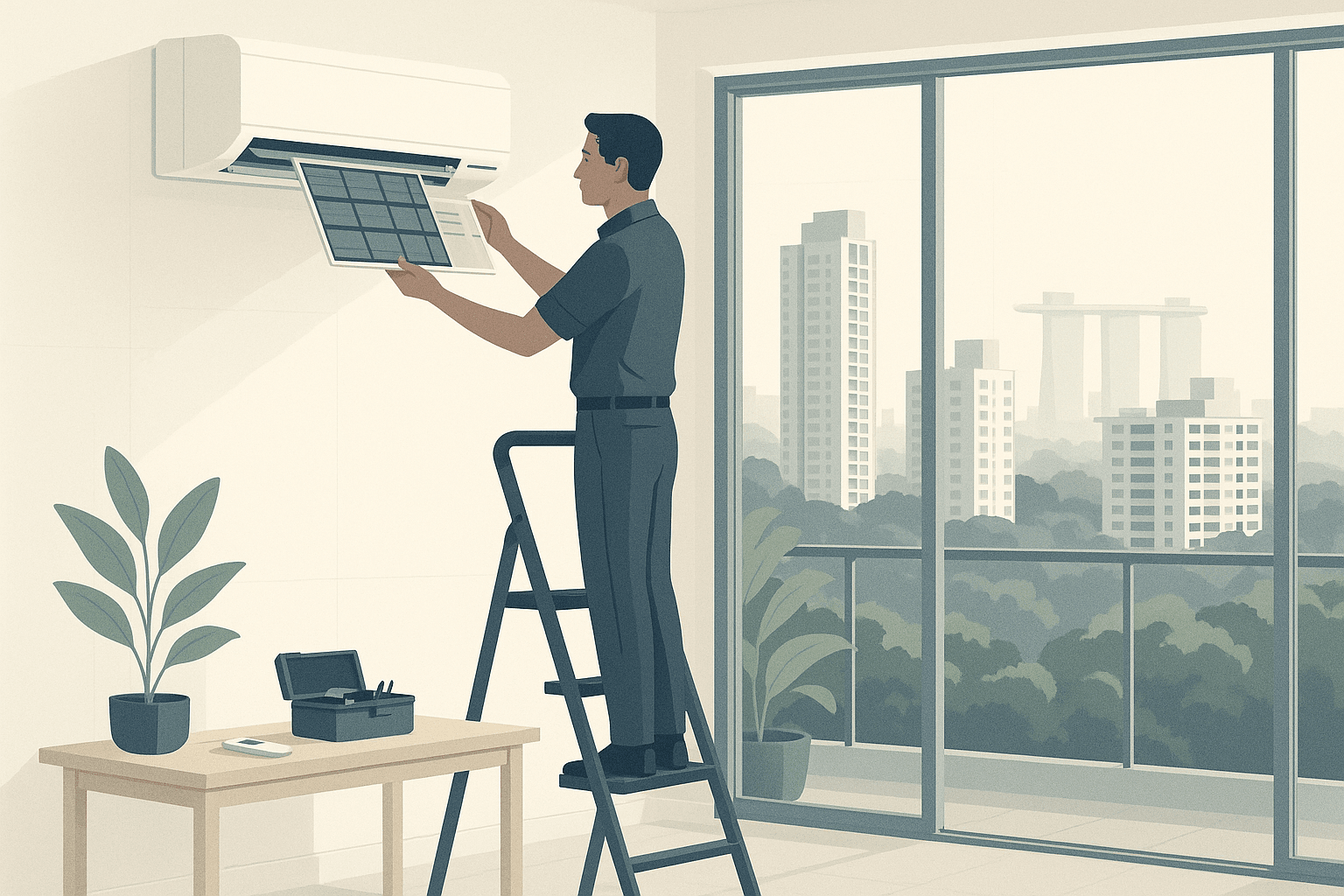
Air-Con Servicing Clause in Singapore Tenancy Agreements: What to Check
A practical guide to reading and agreeing an air-con servicing clause in a Singapore tenancy agreement so both parties are clear on who arranges servicing, who pays, what proof to keep, and how repairs are handled.

Can a Foreigner Rent Property in Singapore? What to Check Before You Sign
Yes, foreigners can generally rent property in Singapore. The real work is screening: passport and pass checks, employment and income proof, occupier details, HDB vs private rules, and lease-term fit before the LOI or lease commitment.

Can a Landlord Enter a Rental Property Without Notice in Singapore?
A practical guide to landlord access during a Singapore tenancy. Learn when entry is usually acceptable, what notice is safer in practice, and how to reduce disputes over inspections, repairs, and viewings.

Can I Break My Lease Early in Singapore? What to Check First
A tenant in Singapore should not assume they can walk away from a fixed-term lease early. The tenancy agreement comes first, and if there is no usable exit clause, the practical route is usually a negotiated surrender confirmed in writing before handover.

Diplomatic Clause in a Singapore Tenancy Agreement: What It Means and What to Negotiate
A diplomatic clause is a negotiated early-exit term, not a standard tenant right. This guide shows what usually triggers it, what proof and notice wording to check, and where replacement-tenant clauses often go wrong.

Documents Needed to Rent a Place in Singapore: A Practical Tenant Checklist by Stage
There is no fixed legal checklist for every Singapore rental. This guide explains what tenants commonly prepare before viewings, what landlords often ask for during application, what gets checked at signing, and how requirements can differ for HDB, private rentals, foreigners, students, and self-employed tenants.

Landlord Responsibilities for Repairs in Singapore: What Landlords Usually Fix
What is a landlord obligated to fix in a Singapore rental? There is no single universal repair list. In practice, the tenancy agreement usually decides first, then the move-in condition and cause of the defect. This guide explains the usual landlord-tenant split and how to prevent disputes over aircon, plumbing, appliances, and wear and tear.

Lease Renewal Process in Singapore: Timeline, Rent Changes and What to Check
Lease renewal in Singapore is usually negotiated, not automatic. This guide shows when to start the renewal process, how rent changes are commonly discussed, when to use an extension or fresh tenancy agreement, and what to verify before signing.

Letter of Intent for Renting in Singapore: What It Means Before You Pay
Understand what a Letter of Intent means in Singapore rentals, how the good faith deposit usually works, when it may be refundable or forfeited, and what to lock down in writing before the tenancy agreement is drafted.

Minor Repair Clause in a Singapore Tenancy Agreement: What to Clarify
This guide explains how a minor repair clause is commonly structured, what the repair cap actually applies to, which items should be excluded, and what wording prevents later disputes over reimbursement or security deposit deductions.

Handover Inventory Checklist for Singapore Rentals: How to Compare Condition and Reduce Disputes
Singapore rental move-out guide: compare the unit against the move-in inventory, separate wear and tear from damage or cleaning issues, record missing items clearly, and complete handover with signed evidence.

Rental Deposit Return Singapore: Timing, Deductions and What to Do If It’s Withheld
When is a rental deposit usually refunded in Singapore? This guide explains the usual handover timeline, common deduction disputes, what documents matter most, and what to do if the landlord withholds the deposit.

How Much Security Deposit for Renting in Singapore? Usual Practice and What to Confirm
In Singapore rentals, the security deposit is usually a negotiated amount stated in the tenancy agreement, not a fixed universal sum. This guide explains the usual market pattern, how it differs from the LOI deposit and advance rent, and what to confirm in writing before any money is transferred.

Shortest Legal Rental Period in Singapore: What to Check Before You Rent
The shortest legal rental period in Singapore is 3 consecutive months for a private home and 6 months per tenant for an HDB flat or room. The practical answer also depends on whether the property is HDB, private residential, or a short-stay accommodation category, plus any condo, landlord, or estate-level restrictions.

Tenancy Agreement Stamp Duty in Singapore: How to Calculate, Who Pays and What to File
A practical guide to tenancy stamp duty in Singapore: who usually pays, how to estimate it from the signed rent and lease term, and what to confirm before you treat the rental paperwork as complete.

Inventory List for Rented Apartment Singapore: What to Record at Move-In Handover
A tenancy inventory list is the unit’s day-one condition record. For Singapore rentals, it should capture what is included, where it is, how many pieces were handed over, visible defects, useful identifiers, meter readings where relevant, and dated photo or video evidence before sign-off.

Tenant Screening Checklist for Landlords in Singapore: What to Check Before Accepting a Tenant
Use this Singapore tenant screening checklist to verify identity, pass status, intended occupants, affordability, documents, references, and red flags before accepting a tenant.

Annual Value vs Market Value in Singapore: What Property Owners Should Know
Annual value is IRAS’s rent-based tax assessment figure. Market value is what a property may fetch in an open-market sale. Here’s how to tell the difference clearly and use each figure for the right purpose.
How Much Are Condo Maintenance Fees in Singapore Per Month? What Buyers Should Budget For
There is no official average condo maintenance fee in Singapore. Industry guides commonly place many mainstream private condos around S$300 to S$700 a month, but you should verify the actual MCST fee, what it covers, and whether future cost pressure may push it higher.

How Property Tax Is Calculated in Singapore: Annual Value, Occupancy and Use
Singapore property tax starts with Annual Value, then changes based on whether the property is owner-occupied, rented out, vacant, or used differently from before. This guide helps you read the IRAS bill, clear up common misunderstandings, and verify the right treatment faster.

How Rental Income Is Taxed in Singapore: Gross Rent vs Net Income
Rental income in Singapore is generally taxable, whether the landlord rents out a whole property, a room, or part of a home. IRAS usually looks at net rental income after allowable deductions, not just the headline monthly rent, and HDB rental income is not automatically exempt.

How to Check Your Property Tax Bill on IRAS
Need to check an IRAS property tax bill quickly? This guide shows where to view the notice in myTax Portal, how to read the payable amount, and what to verify before paying or raising a query.

How to Declare Rental Income to IRAS in Singapore: A Practical Guide for Landlords
A practical guide for Singapore landlords on declaring rental income to IRAS. Learn what usually counts as rental income, what documents to prepare, which expense categories are commonly reviewed, and how to avoid common filing mistakes.
How to Find the Annual Value (AV) of a Property in Singapore
Annual value is an IRAS tax figure, not market value, purchase price, or the exact rent under a tenancy agreement. This guide shows you where to check AV on official IRAS records, how to interpret it, and what to verify before using it in a property tax or holding-cost estimate.

Owner-Occupier vs Non-Owner-Occupier Property Tax in Singapore
Learn the practical difference between owner-occupier and non-owner-occupier property tax in Singapore. This guide explains how occupancy affects the bill, who usually qualifies, when the lower treatment may stop, and what to verify before you assume which rates apply.
Property Tax for HDB Flats vs Condos vs Landed Homes in Singapore
Property tax in Singapore applies to HDB flats, condos, and landed homes, but the property label alone usually does not explain why one bill is higher than another. In practice, annual value and whether the home is owner-occupied matter more.
Property Tax on a Second Property in Singapore: What Buyers Should Know
Property tax on a second property in Singapore is an annual holding cost, not a one-time buying tax. There is no single flat “second-property rate” based on property count alone. What matters is Annual Value, occupancy status, and the full carrying-cost stack.

Property Tax When You Rent Out Your Flat or Condo: What Changes and What to Check
If you rent out your flat or condo in Singapore, property tax treatment usually changes because the unit is no longer owner-occupied. The practical job is to update IRAS, keep the tenancy timeline, and check the next bill for the correct status and Annual Value.

What Rental Expenses Can Landlords Deduct in Singapore?
In Singapore, landlords can usually deduct expenses that are incurred to earn rental income and are revenue in nature, such as property tax, repairs, maintenance, and tenant-finding costs. Personal expenses, loan principal, and capital improvements usually do not qualify, so classification and record-keeping matter.

When Is Property Tax Due in Singapore? How to Check Your IRAS Bill and Pay on Time
Property tax in Singapore is due by the date shown on the IRAS bill or digital notice. This guide shows where to check the due date, how to pay through IRAS-supported channels, and what to do if the bill is missing or overdue.

Property Tax Rebate Singapore: What to Check Before Counting on Savings
In Singapore, a property tax rebate is usually a temporary reduction for a specific tax year, not a permanent discount. This guide helps you separate rebates from owner-occupier treatment, work out who may benefit, and check IRAS before you count on savings or a final amount payable.
Sinking Fund vs Maintenance Fund in a Condo: What’s the Difference?
Understand how a condo’s maintenance fund differs from its sinking fund in Singapore, what each usually pays for, and which MCST documents help you spot weak reserves or deferred maintenance early.

What Are MCST Fees in Singapore? What They Cover, Who Pays, and What Buyers Should Check
MCST fees are the recurring charges owners pay to keep a strata development’s common property running. This guide explains what they usually cover, who typically pays them, how they differ from sinking fund contributions, and what to verify during resale and rental discussions.

Balance Units in New Launch Condos: What They Mean and Whether They’re Worth Buying
Balance units are the unsold units still available from a developer after earlier sales phases. This guide shows where to find them, why certain units are still left, and how to judge whether a remaining unit is still worth buying.

New Launch Condo Defects Liability Period in Singapore: What Buyers Should Check After TOP
Learn what the defects liability period means for a new launch condo, when it usually starts after TOP and handover, what buyers should inspect first, and how to document defects properly.

Do You Need to Register Before Viewing a New Launch Showflat in Singapore?
Usually yes during preview and launch periods, but not always. Many Singapore new launch showflats use advance registration or timed appointments, while some may still accept walk-ins later or during quieter periods. The key is to verify the developer’s current access setup before you head down.
E-Application for New Launch Condos in Singapore: How It Works
E-application is usually the pre-booking step in a Singapore new launch condo sale. Here’s what it typically means, what buyers usually submit, what it does not secure, and how to prepare before the deadline.

How Does the Ballot Work for a New Launch Condo in Singapore?
For a private new launch condo in Singapore, the ballot usually determines queue number and booking priority, not a guaranteed unit. The real outcome depends on how many units are released, which unit types are in that batch, and how quickly earlier buyers commit.
How to Read a New Launch Price List and Unit Chart in Singapore
Learn how to read a new launch price list and unit chart in Singapore by matching pricing, stack position, floor, facing, size, and live availability before you shortlist units.

New Launch Condo Booking Day: What Happens After You Get a Queue Number in Singapore?
On new launch booking day, the queue number only decides selection order. You still need to review live availability, choose quickly from the remaining units, and complete booking steps if you proceed.

What Is OTP for a New Launch Condo in Singapore? Booking Fee, Exercise Deadline and Next Steps
For a new launch condo, the OTP is your time-limited right to proceed with a specific unit after booking. The booking fee starts a real commitment, the exercise deadline is the key decision point, and the SPA is the formal contract stage that follows.

Progressive Payment Scheme Explained: How New Launch Condo Payments Work in Singapore
A practical guide to how the progressive payment scheme works for new launch condos in Singapore, when payments are usually triggered, and what to know about CPF, loan drawdowns, and cash flow.

Progressive Payment vs Deferred Payment Scheme for New Launch Condos in Singapore
Progressive payment is the default structure for many new launch condos in Singapore. Deferred payment can ease short-term cash flow, but it is not a standard option across all projects, so verify the exact unit and written terms before you rely on it.
What Are Star Buy Units in a New Launch Condo? How to Tell If the Deal Is Real
A "star buy" in a new launch condo is usually a developer marketing label, not an official category. To assess whether the deal is real, compare the unit's effective price, stack, facing, floor, layout efficiency, and likely resale or rental appeal against similar units in the same project and nearby alternatives.
Difference Between TOP and CSC in Singapore: What New Condo Buyers Should Know
TOP and CSC are not interchangeable. TOP usually means a condo can be occupied, while CSC marks final statutory completion. Here is what to verify before planning key collection, move-in or renovation.

What to Check at a New Launch Showflat Before Booking
Before booking a new launch unit, treat the showflat as a sales tool, not proof of liveability. This guide shows what to check in Singapore showflats: layout usability, furniture fit, stack and facing, ventilation and daylight clues, finishes versus written specs, and surrounding site context.

When Can I Collect Keys After TOP for a New Launch Condo in Singapore?
Usually not on the same day. For Singapore private new launch condos, buyers typically collect keys only after TOP is issued, the official handover notice is sent, outstanding items are cleared, and an appointment is scheduled.

Cold Calling for Property Listings in Singapore: Scripts, Structure, and Follow-Up
Learn a practical cold calling framework for property listings in Singapore: how to open a call without sounding spammy, qualify owner intent, handle common objections, and follow up by WhatsApp or email with permission.

Door Knocking for Property Listings in Singapore: Scripts, Etiquette, and Estate Access Tips
Door knocking can still be a workable listing prospecting method in Singapore, but only when it is targeted, respectful, and estate-appropriate. This guide explains where it tends to work better, what to say at the door, what access checks to make first, and how to handle rejection without creating complaints or damaging your farm area.

Exclusive vs Open Listing in Singapore: What Agents Should Explain
Need a clear seller explanation for exclusive versus open listing in Singapore? This guide breaks down how accountability, lead handling, marketing consistency, and seller coordination differ, without overstating legal or marketing outcomes.
Expired Listing Scripts for Property Agents in Singapore
Expired listings can be a practical re-entry opportunity for Singapore agents when approached with empathy, preparation, and a better market diagnosis. This guide gives usable scripts, tactful follow-up language, and repositioning ideas you can adapt quickly.

Geographic Farming for Property Agents in Singapore: How to Choose and Work the Right Estate
Learn how geographic farming works for Singapore property agents, how to choose one HDB precinct, condo cluster, or landed pocket, and how to work it consistently enough to become the agent local owners remember.
How to Approach FSBO Sellers in Singapore: Scripts, Objections, and Conversion Tips
Learn how to approach FSBO sellers in Singapore with respectful opening scripts, practical credibility signals, calm objection handling, and conversion tips that help agents earn trust without sounding pushy.
How to Farm a Condo for Property Listings in Singapore
Learn how Singapore property agents can farm a condo for listings by choosing a workable estate, showing up consistently, adding resident-useful value, and staying top of mind until owners are ready to sell or lease.
How to Get Referrals as a Property Agent in Singapore: Sphere, Timing, and Scripts
Want more referrals as a property agent in Singapore? This guide shows how to build a usable sphere of influence, follow up after transactions, ask at the right time, and use simple WhatsApp and in-person scripts without sounding pushy.

How to Prospect for HDB Listings in Singapore: A Practical Guide for Agents
The best HDB prospecting is not mass outreach. It is identifying owners who are entering a real planning window, such as upgrading, right-sizing, retirement, or a household change, then offering timely help on proceeds, timing, and next-step options. This guide shows Singapore property agents how to read seller signals, use public data sensibly, and qualify intent before investing time.

Prospecting Letters to Homeowners in Singapore: A Practical Guide for Agents
Prospecting letters are best used in Singapore as a local farming touchpoint, not a shortcut to instant listings. This guide shows agents what to write, when letters make sense, how to tailor them for HDB, condo, and landed owners, and how letters compare with WhatsApp, calls, and door knocking.

How to Win a Listing Appointment in Singapore: Questions, Pricing Strategy, and Follow-Up
You usually win a listing appointment before the seller decides: by arriving with property-specific research, asking better discovery questions, presenting price as a supported strategy rather than a promise, and following up with a clear recap. This guide gives Singapore agents a usable framework for HDB, condo, and landed seller meetings.

How to Win an Exclusive Listing in Singapore: A Practical Guide for Property Agents
Learn how Singapore property agents can win exclusive listings by making a clear value case around control, coordination, accountability, and disciplined marketing. Focus on seller objections, pitch structure, and trust-building process rather than sales hype.

WhatsApp Prospecting Messages to Home Sellers in Singapore: First Contact Examples
Practical WhatsApp prospecting message examples for Singapore property agents contacting home sellers. Learn what to say in a first message, how to follow up once without sounding pushy, and how to reply when the seller is interested, skeptical, or not ready.
Do Foreigners Pay ABSD in Singapore? What Foreign and PR Buyers Need to Budget
Foreigners generally pay ABSD in Singapore on residential property purchases, while PR buyers follow a different framework based on status, ownership count, and purchase structure. The key issue is upfront cash planning: ABSD sits on top of BSD and can change whether you can proceed.

Can a Long-Term Visit Pass Holder Buy Property in Singapore?
An LTVP holder is usually treated as a foreign buyer for Singapore residential property rules. In most cases, that makes private non-landed homes the clearest route, while HDB and landed purchases need much tighter checks.
Can a PR and Foreigner Jointly Buy Property in Singapore?
Yes, a Singapore PR and a non-PR foreigner can usually buy private property together, especially condos and apartments. The real work is checking property type, title eligibility, ABSD exposure, ownership structure and whether the bank will accept the joint file.

Can a Singaporean and Foreign Spouse Buy an HDB Flat? Owner vs Occupier Rules Explained
Yes, but usually not as equal co-owners. This guide explains the usual HDB route for a Singapore Citizen with a foreign spouse, the owner-versus-occupier distinction, how new and resale pathways differ, and the checks to complete before you commit.

Can a Singaporean and Foreign Spouse Buy Landed Property in Singapore?
Usually yes, if the Singapore citizen buys the landed property in sole name. But if the foreign spouse will be on title, the deal can trigger restricted-property rules, approval checks, financing friction and different duty outcomes. This guide helps you verify the structure before you commit.
Can Foreigners Buy a Condo in Singapore? What Private Homes Are Allowed
Yes. Foreigners can generally buy private condos and other private non-landed homes in Singapore. The key line is non-landed versus landed residential property, not freehold versus leasehold. This guide explains the rule quickly and flags edge cases worth verifying.

Can Foreigners Buy Commercial Property or a Shophouse in Singapore?
Usually yes for genuinely non-residential assets. The real risk is not nationality alone, but whether the unit is legally commercial, mixed-use, or carries title or use restrictions that change the answer.

Can Foreigners Buy HDB Flats in Singapore? The Direct Answer
Foreigners generally cannot directly buy HDB flats in Singapore. The main practical checks are mixed-household cases involving a Singapore Citizen and foreign spouse, and whether the foreign spouse is an occupier or an owner.

Can Foreigners Buy Landed Property in Sentosa Cove? Rules, Approval and Key Checks
Yes, foreigners may be able to buy certain landed property in Sentosa Cove, but only under Singapore’s restricted-property approval framework. This guide explains how Sentosa Cove differs from normal mainland landed-property rules, what checks may still apply, and what to confirm before you commit.
Can Foreigners Buy Landed Property in Singapore? Restricted Property and Approval Rules
Generally no for standard landed residential property. This guide explains how foreign-buyer rules work for landed homes in Singapore, when approval may be needed, and how to verify a specific property before you commit.
Can a Foreigner Get a Home Loan in Singapore? What Banks Check Before Approval
Yes, foreigners can usually apply for a home loan in Singapore. The real issue is whether the bank is comfortable with the borrower profile, documents, debt load, and property. This guide explains the checks, flags likely friction points, and shows how to pre-screen financing before an OTP is signed.

Can PR Buy HDB in Singapore? Direct-from-HDB vs Resale Rules Explained
PRs may be able to buy HDB flats in Singapore, but the answer turns on two things: the route and the household. For most PR buyers, resale is the route to evaluate first, while direct purchase from HDB is more restricted.
Can PRs Buy Landed Property in Singapore? Approval Rules Explained
A Singapore PR can buy landed residential property in Singapore, but it is usually an approval-sensitive purchase. Confirm the buyer profile, exact property type, and current SLA/LDAU requirement before any binding step.
Can PRs Buy Private Property in Singapore? Condo, Apartment and Landed Rules Explained
Singapore PRs can usually buy non-landed private homes such as condos and apartments. Landed homes usually sit under restricted ownership rules and need extra approval checks before you commit.
Can PR Buy Resale EC in Singapore? Eligibility, MOP and Ownership Rules
Yes, a Singapore PR can generally buy a resale EC after the project has cleared its Minimum Occupation Period. The real work is checking whether the EC is still in its restricted resale window or already fully privatised, then matching that stage to your profile, financing and stamp duty position.

Can PRs Use CPF to Buy Property in Singapore? What to Check Before OTP
A Singapore PR may be able to use CPF Ordinary Account savings for an eligible property purchase, but not for every home and not in every ownership structure. This guide covers what to verify before the OTP is signed.

FTA ABSD Exemption Singapore: Who May Qualify and What to Check
FTA-linked ABSD relief is not automatic for foreign buyers in Singapore. Verify nationality, residence status, ownership profile, purchase structure, and current IRAS guidance before treating a purchase as exempt.
How to Get SLA Approval for Landed Property in Singapore
SLA approval is a Residential Property Act ownership approval, not a bank or HDB step. This guide explains who typically needs it, how the workflow usually runs, what documents to prepare, and what to verify before you commit to a landed purchase.

PR Home Loan LTV in Singapore: How Banks Assess Borrowing Capacity
For PR buyers in Singapore, the commonly cited bank-loan ceiling for a first housing loan is up to 75% LTV. But banks do not approve based on LTV alone: income stability, existing debts, tenure, property type, and the financing route usually decide the real borrowing limit.
What Is Restricted Property in Singapore? Residential Property Rules Explained
Restricted property is a legal classification under Singapore’s residential ownership rules. This guide explains what it means, which homes are commonly affected, and what to verify before you buy as a foreigner or PR.
999-Year Lease vs Freehold in Singapore: Key Differences Condo Buyers Should Know
999-year leasehold is not legally freehold. This guide explains the difference clearly, clears up common buyer misconceptions, and compares tenure against location, project quality, holding period, and resale positioning.

Buying a Condo Near the End of Its Lease in Singapore: Key Risks and Buyer Checks
Buying an older leasehold condo in Singapore is not automatically a bad move. The real question is whether the remaining lease, financing comfort, building condition, and resale audience still make sense for you. This guide lays out the risks clearly and shows what to check first.

Should I Buy in CCR or OCR? A Practical Singapore Condo Decision Guide
Buying in CCR or OCR is not about picking the "better" region. It is a tradeoff between centrality and premium positioning on one side, and lower entry quantum, more usable space, and broader affordability on the other.

CCR vs RCR vs OCR: Which Condo Region Should You Buy in Singapore?
CCR, RCR, and OCR are useful market shortcuts, but the right condo region depends on what the buyer is actually optimizing for: budget, commute, lifestyle, tenant profile, and exit strategy.

Freehold vs Leasehold Condo in Singapore: Which Matters More for Buyers?
Freehold is not automatically better, and leasehold is not automatically worse. In most real condo decisions, the better question is whether tenure should outweigh location, affordability, remaining lease, project quality, and exit plan.

How to Compare Two Condo Projects in Singapore: A Practical Buyer Scorecard
Use this practical Singapore condo comparison scorecard to evaluate two shortlisted projects side by side on the factors that actually change the decision: total quantum, affordability fit, location quality, layout efficiency, tenure, developer execution, timing, and exit clarity.
Is a New Launch Worth the Premium Over a Resale Condo in Singapore?
A new launch is not automatically better value than a resale condo. This guide shows what buyers are really paying for, when the premium is easier to defend, and when resale gives better usable value after timing, renovation, and holding costs are compared properly.
Is an OCR Condo a Good Investment in Singapore? What to Check
An OCR condo can be a good investment in Singapore, but OCR by itself is not the reason. The stronger test is whether the project has a sensible entry quantum, practical connectivity, broad buyer depth, and a credible rental audience.

Lease Decay Impact on Condo Price in Singapore: What Buyers and Sellers Should Know
A practical guide to how remaining lease affects condo pricing, buyer demand, financing comfort, and resale liquidity in Singapore, without treating tenure as the only driver.
New Launch vs Resale Condo Singapore: How to Compare Price, Timing and Liveability
Choosing between a new launch and a resale condo in Singapore is not just about psf. Buyers should compare total quantum, unit size, waiting time, renovation and furnishing costs, inspectability, and how soon the home needs to work for daily life.

Older Condo vs Newer Condo: Which Is Better to Buy in Singapore?
An older bigger condo is not automatically the better buy, and a smaller newer condo is not automatically better value. The right comparison is liveability, total ownership cost, and how long the buyer expects to hold the home.
Quantum vs PSF When Buying a Condo in Singapore: Which Should Matter More?
Quantum is the total condo price a buyer must afford, finance, and commit to. PSF is mainly a comparison metric. The common mistake is chasing a low PSF headline without checking whether the total quantum, monthly comfort, and unit usability still make sense.

RCR vs OCR Condo in Singapore: Is City Fringe Worth the Premium?
RCR usually buys shorter commutes, better central access, and more convenience. OCR usually buys a lower total quantum, more space, or less monthly pressure. The real task is not to rank the regions, but to see what you are paying for and whether you will actually use it.

Should You Buy an Older Condo for En Bloc Upside in Singapore?
Buying an older condo for en bloc upside can be reasonable only if the unit already works as a home or rental asset on its own merits. Age alone does not make a project a good collective sale candidate.
Do You Still Need to Wait 15 Months to Buy HDB After Selling Private Property?
If you sell a condo and want to move into a resale HDB flat, the key issue is usually timing, not just eligibility. Since 28 July 2026 the 15-month wait-out is gone for everyone; a CPF housing grant, a new flat, an EC from a developer or an HDB loan still means a 30-month wait. This guide explains what still applies, when the 30-month rule does, whether to buy first, and how to plan housing and cash flow.

HDB Extension of Stay After Selling: What It Means and What to Confirm First
A temporary extension of stay can help an HDB seller bridge the move to a replacement home, but it is not automatic. Before you plan around it, confirm buyer consent, HDB’s current process, the stay period, and the handover terms.
Do You Need to Sell Your HDB Before Buying a Condo in Singapore?
You do not always need to sell your HDB before buying a condo. But the workable sequence depends on MOP, citizenship or residency profile, ownership rules, and whether the condo can be funded without waiting for HDB sale proceeds.

Should I Sell My HDB After MOP or Wait? A Practical Guide for Singapore Owners
An HDB flat is generally sellable once MOP is completed and any other HDB conditions are cleared. But MOP is not an automatic sell signal. The real task is to weigh eligibility, next-home planning, financing readiness, and move timing together.
How Long Does It Take to Sell a Condo in Singapore?
Most condo sales in Singapore take months, not days. This guide breaks down the realistic resale timeline from listing to completion, what usually slows a sale, and how to plan around pricing, legal completion, and your next home.
How Long Does It Take to Sell a HDB Flat in Singapore?
There is no single fixed HDB selling duration. The clearest way to see it is to split the sale into two clocks: time to find a buyer, and time from buyer commitment to completion.

How Long Does It Take to Sell a Property in Singapore? Real HDB vs Private Timeline
There is no single universal number. Selling a property in Singapore usually takes months end to end because the timeline includes finding a buyer, negotiating terms, completing legal and financing steps, and handing over the home.

How to Fund a Condo Purchase Before Your HDB Sale Completes
An upgrader can have enough HDB equity and still be short of usable funds at the wrong moment. This guide explains when condo payments fall due, when HDB sale proceeds and CPF are actually usable, and how to reduce the temporary funding gap.
How to Time Selling Your HDB and Buying a Condo in Singapore
Upgrading from HDB to condo is mostly a sequencing problem. The job is to line up HDB handover, condo completion, key collection, renovation, and cash-flow timing so you do not get squeezed by overlap costs or a gap in housing.

SSD Timing When Selling Property in Singapore: Sell Now or Wait?
Seller’s Stamp Duty is a timing issue, not just a tax label. Learn how to verify the relevant dates, compare sell-now versus wait, and explain SSD clearly to Singapore property sellers.

Should I Sell My Property in a Down Market or Wait?
Do not frame this as a market-bottom call. The real question is whether the likely upside from waiting is worth the monthly holding cost, financing friction, and risk that buyer demand weakens before the seller is ready.
Is Now a Good Time to Sell My Condo in Singapore?
There is no universal best month to sell a condo in Singapore. The better test is whether the unit is well positioned against current buyer demand, nearby competing listings, recent transactions, and the seller’s own timeline.

When Should You Sell Before Lease Decay Hurts Resale?
There is no single resale cliff for older leasehold homes. The practical risk is gradual: as remaining lease shortens, buyer demand, financing comfort, and seller bargaining power can narrow.

Asking Price vs Transacted Price in Singapore: How to Judge a Fair Offer
Asking price is the seller’s starting signal. Transacted price is the actual market outcome. Learn how to use recent comparable transactions to judge whether a home is fairly priced and how to frame a realistic offer or listing range.

Can You Appeal a Low Bank Valuation in Singapore?
Usually, no formal appeal right exists for a low bank valuation in Singapore. What buyers can often do is ask for a reconsideration with strong comparable evidence or factual corrections. If the valuation holds, the practical fixes are usually renegotiating the price, topping up cash, or testing another lender.

Do You Need a Property Valuation to Refinance in Singapore?
Usually yes for a bank-to-bank refinance in Singapore. A fresh property valuation is commonly needed because the new lender uses current market value to size the loan and assess risk. Same-bank repricing usually does not need a new valuation, while restructuring is more lender-specific.

Bank Valuation vs Market Value in Singapore: Why the Numbers Don’t Always Match
Bank valuation is a lender’s collateral value, not the same as market value. Learn why a Singapore bank’s figure can be lower than the asking or transacted price, and when indicative versus full valuation matters for financing, pricing, and refinancing.

How Lease Decay Affects Bank Valuation and Property Value in Singapore
Lease decay affects more than end-value. In Singapore, a shorter remaining lease can narrow the buyer pool, weaken comparable support, and make banks more conservative on valuation and loan comfort for older HDB flats and private leasehold homes.

How to Calculate Price Per Square Foot in Singapore Property Comparisons
To calculate price per square foot in Singapore, divide the property price by the unit size in square feet. The harder part is verifying that the size basis is comparable, then using psf as a screening tool rather than a shortcut for value.

How to Check Recent Property Transactions in Singapore and Read Them Properly
To check recent property transactions in Singapore, use the right source for the right segment: URA-based records for private homes, HDB data for HDB flats, and project history tools for quick scanning. Then read the transaction properly by checking sale type, date, size, floor, stack, facing, and timing before using it in pricing or negotiation.
How to Select Comparable Property Transactions for Valuation in Singapore
Learn how to select usable comparable transactions without relying on weak or misleading sales. This guide shows how to rank comps, widen the search when data is thin, and weigh the trade-offs clearly.

How to Value an HDB Resale Flat in Singapore: A Practical Guide
Learn how to value an HDB resale flat in Singapore using recent sold transactions, comparable selection, lease balance and the formal valuation process. A realistic, ready-to-use pricing workflow.

What Is a Valuation Gap in Property? Cash Over Valuation Explained
A valuation gap is the difference between the agreed purchase price and the valuation used for financing. In Singapore, that gap can mean extra cash upfront, a tighter loan position, or a need to renegotiate before the deal becomes stressful.

Can PRs Buy a Resale HDB Flat in Singapore? PR + Citizen, Two PRs and Single PR Cases
Yes, some PR households can buy a resale HDB flat in Singapore, but eligibility depends on the household setup, not PR status alone. The first thing to sort out is whether the case is PR + citizen, two PRs, or a single PR asking whether they can buy alone.

Can You Own an HDB Flat and Private Property at the Same Time in Singapore?
Usually not during MOP. After MOP, simultaneous ownership may be possible, but you should still verify HDB title, spouse or occupier status, financing overlap, and likely second-property tax treatment before choosing a buy-first or sell-first sequence.
CPF Housing Grant for Resale Flat: EHG, Family Grant, PHG and Singles Grants Explained
For resale HDB buyers, the main CPF grant paths are the CPF Housing Grant for Resale Flats, EHG and PHG, with different routes for families and singles. This guide helps you identify the likely grant path before using any grant in the budget.

Do Both Spouses Need to Be Singapore Citizens to Buy HDB? Mixed-Citizenship Couple Rules Explained
No, both spouses do not always need to be Singapore Citizens to buy an HDB flat. The key distinction is Singapore Citizen + PR versus Singapore Citizen + foreign spouse, and BTO rules are not the same as resale rules.

Enhanced CPF Housing Grant Eligibility in Singapore: What to Check First
Enhanced CPF Housing Grant (EHG) can materially change an HDB buyer's budget, but only after the household clears HDB's eligibility checks. This guide shows what to screen first: first-timer status, household structure, gross household income, property ownership history, and the HFE or official HDB outcome.

Fiancé/Fiancée Scheme HDB Eligibility in Singapore: What to Check
Understand how the HDB Fiancé/Fiancée Scheme works for engaged couples. This guide explains who may qualify, why marriage timing is a real risk point, how the household is usually structured, and what to verify before you commit.

HDB Income Ceiling for BTO: How It Affects Eligibility
Understand how the HDB income ceiling affects BTO eligibility, which household members and income sources may be counted, and why this is separate from loans and grants.

What Is MOP for HDB? Meaning, Start Date, and What Happens After
Understand HDB MOP in plain English: what it means, when the countdown usually starts, how to verify it in HDB records, and what you can usually do during and after MOP.

HDB Owner vs Occupier: Meaning, Key Differences, and Can an Occupier Buy Later?
Understand the practical difference between an HDB owner and occupier, then answer the question that usually follows: can an occupier buy later, and what should you verify before deciding?

How to Apply for HDB Loan Eligibility (HLE/HFE): What to Prepare First
Many buyers still ask about the HDB Loan Eligibility Letter (HLE), but new applications now go through HDB’s HFE process. This guide shows when to start, what to prepare, who must be included, and where financing delays usually happen.

How to Check HDB EIP and SPR Quota Before Buying a Resale Flat
EIP and SPR quota are early go/no-go checks, not background policy trivia. This guide shows how to verify a specific resale flat against your household profile, what details to prepare, and how to avoid dead-end viewings or failed submissions.

Can Two Singles Buy HDB Together? Joint Singles Scheme Eligibility Explained
Yes, two unmarried singles can co-buy an HDB flat under the Joint Singles Scheme if they meet HDB's current eligibility conditions. This guide explains the BTO versus resale split, co-ownership basics, financing checkpoints, and the practical checks you should make before you commit.

Do You Need to Pay Resale Levy for a Second BTO in Singapore?
Not every second BTO buyer pays resale levy. The real trigger is prior subsidised housing or grant history plus a new subsidised HDB purchase, so it helps to check your flat history early and budget for the levy before key collection.

Singles Eligibility to Buy HDB in Singapore: BTO vs Resale Rules Explained
Can a single buy HDB in Singapore? Yes, but BTO and resale do not work the same way. This guide helps you check singles eligibility early, compare BTO vs resale rules, and avoid common missteps on citizenship, age, ownership history, and HFE readiness.
Singles Grant for HDB Resale Flats in Singapore: What to Check First
Learn how to check whether you qualify for HDB resale grant support as a single buyer, what the "Singles Grant" usually refers to, and which buyer or flat issues to verify before counting any grant in your budget.

Can Foreigners Buy an EC After Full Privatisation in Singapore?
Usually yes, but only after the EC is fully privatised, not just after MOP. This guide explains what “fully private” means in practice, how it changes resale marketing, and what to verify before treating the unit as open to a foreign buyer.
Can PRs Buy a Resale EC in Singapore? Post-MOP Rules Explained
Yes — PRs can generally buy a resale EC after MOP. The key is not to confuse MOP with full privatisation, and to verify the project's status and your own buyer setup before treating a unit as eligible.

Can Singles Buy an EC in Singapore? New, Resale and Privatised Rules Explained
You usually cannot buy a brand-new EC on your own. But you can generally buy a resale EC once it is in the open market, and buy a fully privatised EC like private property. This guide breaks the answer down by EC stage so you can find your own situation fast.

Can You Rent Out an EC During MOP? Whole-Unit vs Room Rental Explained
If you own a new EC still within MOP, the key distinction is whole-unit rental vs room rental. This guide explains what is generally not allowed, what may be possible, and what to verify before you rent anything out.
Can You Use CPF Housing Grants for a New EC? What to Check First
Yes, CPF housing grants can apply to a new EC, but only for households that meet the current EC and grant rules. The real checks are household profile, first-timer status, subsidy history, and financing readiness.

Must You Sell Your HDB Before Buying a Resale EC?
No, not in every case. For resale ECs, the key checks are the HDB flat's MOP, the buyer's status, the EC's age and ownership treatment, and whether financing and sale proceeds can support the timeline.
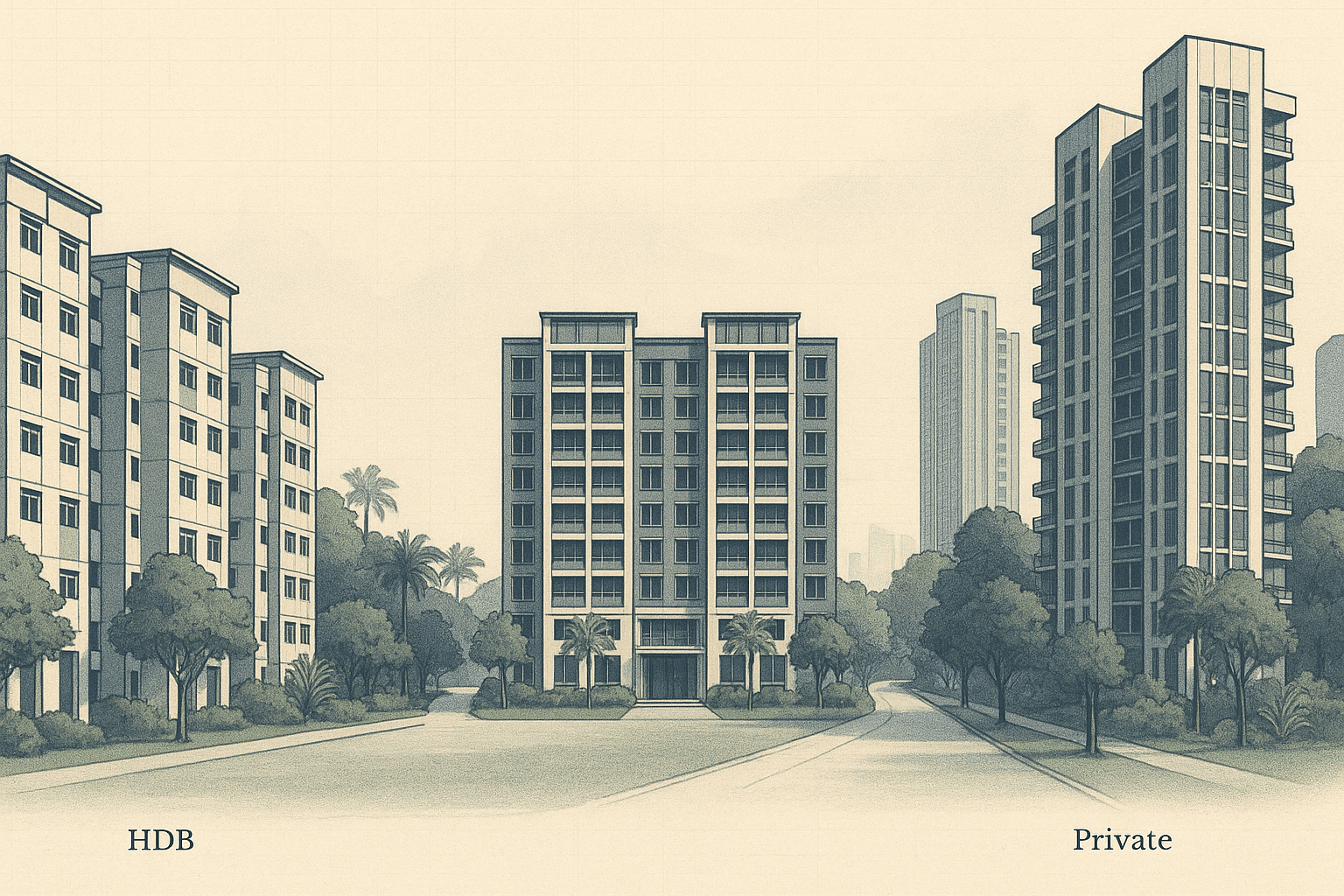
Do You Need to Sell Your HDB or Private Property Before Buying a New EC?
For a new EC launch, HDB owners and private-property owners are not treated the same. This guide explains when an existing home can be sold later, when it usually must be disposed of first, and what to confirm before a booking fee is paid.

Do You Pay Resale Levy When Buying a New EC?
If you are buying a new EC, a resale levy may apply when the household has prior subsidised housing history. It is not charged to every EC buyer. As of 2026 it is a fixed amount set by your first subsidised home: $15,000 to $50,000 for a family whose first was an HDB flat, depending on the flat type, or $55,000 if it was an EC, with singles paying half ($27,500 after an EC); verify whether it applies to your case on HDB, and keep it separate from ABSD, BSD, and financing.

Does the Income Ceiling Apply When Buying a Resale EC in Singapore?
No. The EC income ceiling is a new-launch rule for buying from the developer; HDB sets no income ceiling for a resale EC bought from an existing owner after the MOP. This guide explains what matters more in resale EC deals: unit status, project stage, and buyer profile.
EC Application Requirements: What Documents to Prepare Before a New Launch
Applying for a new EC is not just about booking a unit. It helps to settle eligibility-related documents early, especially identity records, income proof, family nucleus documents, ownership history, and declaration details, so launch day is not slowed by avoidable issues.
EC Income Ceiling Singapore: How Gross Household Income Is Assessed
A practical guide to the new EC household income ceiling, how gross monthly household income is assessed, who gets counted, and which documents to check before you are shortlisted.
EC vs HDB Upgrade: Is Moving to an EC Worth It for HDB Owners?
If you own an HDB flat, an EC can make sense when your household qualifies, can handle the bank-loan cashflow, and is comfortable with a longer holding horizon. If flexibility, simpler financing, or mature-estate convenience matter more, an HDB route is usually the cleaner fit.

EC vs Private Condo in Singapore: Which Is Better for Buyers?
ECs usually suit eligible buyers who want a lower entry cost and can accept tighter rules, while private condos suit buyers who want broader access and more freedom from day one.

Fiance-Fiancee Scheme for ECs: Can Engaged Couples Apply Before Marriage?
Yes, engaged couples may be able to apply for an EC before marriage under a fiance-fiancee route. The real issues are not romance but eligibility, marriage timing, and document readiness. Here is what to verify before a booking or launch application.

How a New EC Launch Application Works in Singapore: Registration to Booking
Understand the new EC launch process in Singapore from eligibility check to booking. This guide explains the practical steps, what registration really means, how queue numbers affect selection, and what to prepare before and after booking.
New EC Balloting Explained: What Queue Numbers Mean and What Happens Next
Understand how new EC balloting works, what an EC queue number really means, how selection day usually unfolds, and what to prepare before an oversubscribed launch.
Can PRs or Foreign Spouses Buy a New EC in Singapore? EC Citizenship Requirement Explained
A practical guide to the new EC citizenship requirement in Singapore, covering PR-only households, mixed citizen-PR households, foreign-spouse scenarios, and the first checks to make before you shortlist a project.

When Can I Sell My EC in Singapore? MOP Rules and Exit Timing Explained
An EC can usually be sold only after its official Minimum Occupation Period ends. This guide shows how to confirm the correct date, avoid timing mistakes, and plan the sale around financing and the next-home move.
When Does an EC Become Private Property in Singapore?
An Executive Condominium becomes fully private only after 10 years from TOP (15 years for ECs whose land tender closed on or after 8 May 2026). This guide explains how that differs from the MOP, who can buy before and after privatisation, and what to verify before you rely on it. As of 2026 the MOP is usually 5 years, but 10 years where the land tender closed on or after 8 May 2026; verify on HDB.

Can Rental Income Be Used for Home Loan Assessment in Singapore?
Yes, rental income may support a home loan application in Singapore, but banks usually assess it conservatively. The biggest distinction is between actual rent already being received and future rent that is only expected, plus whether the borrower can prove the income clearly.
Can You Get a Property Loan If You Already Have a Mortgage in Singapore?
Having an existing mortgage does not automatically block a new property loan in Singapore. What matters is whether the borrower can still meet the bank's affordability checks after counting all existing debts.

Fixed vs Floating Home Loan Rates in Singapore: What to Know
Fixed vs floating home loan rates in Singapore: a practical guide to payment stability, flexibility, repricing, lock-in terms, and the package details that matter beyond the headline rate.

Home Loan Eligibility for Self-Employed Buyers in Singapore: Documents, Income Proof, and Common Pitfalls
Self-employed buyers can get home loans in Singapore, but banks usually assess them through tax records, bank statements, and business documents rather than payslips. The practical edge is knowing how to pre-check the income trail, prepare the right documents, and spot issues before you commit to a purchase.
Home Loan Lock-In Period in Singapore: Can You Refinance Early?
A home loan lock-in period is a contract term, not a general market rule. In Singapore, you can sometimes refinance before it ends, but the real question is whether the new loan savings can outweigh the penalty, clawbacks, legal fees, valuation fees, and other exit costs.

Maximum Home Loan Tenure in Singapore: Age Limits, Instalments and Borrowing Impact
What is the maximum home loan tenure in Singapore? This guide explains the usual 30-year and 35-year ceilings, why older borrowers may get shorter tenures, and how tenure affects monthly instalments, total interest and borrowing capacity.

How Banks Assess Income for a Home Loan in Singapore
A practical guide to how banks assess income for a home loan. Learn which income types are usually recognised more easily, which are treated more cautiously, and what buyers should prepare before an AIP or full loan application.
How Long Is an IPA Valid for a Home Loan in Singapore?
A home loan IPA in Singapore is usually valid for around 30 days, but the exact expiry is set by the lender. Learn when buyers should apply, how to time it before an offer or OTP, what can make it stale, and what to do if it expires before completion.

How to Calculate TDSR for a Home Loan in Singapore
Learn the TDSR formula in Singapore, what income and debts are usually counted, and how to run a fast affordability screen before you commit to a home.

Minimum Cash Downpayment for Property in Singapore: What CPF OA Can and Cannot Cover
There is no single universal minimum cash downpayment in Singapore. The real upfront amount depends on loan type, property type, CPF OA usability, and extra costs such as option money, stamp duties, and legal fees.

Repricing vs Refinancing in Singapore: What’s the Difference?
Repricing usually keeps the same bank. Refinancing usually moves the mortgage to a different lender. The useful comparison is net savings after fees, lock-in risk, and break-even time, not just the advertised rate.

LTV Limit for Property Loan Singapore: First, Second and Third Property Loans Explained
Understand Singapore LTV limits in plain terms: how much a bank may finance for a first, second or third residential loan, why the ceiling gets tighter with more outstanding housing loans, and what that means for downpayment planning.

TDSR vs MSR in Singapore: What's the Difference?
TDSR caps your total monthly debt against income at 55%, while MSR caps repayments on all your property loans at 30%, and applies only to loans for an HDB flat or an EC still within its MOP. This guide shows when each rule matters, why the two get confused, and what to check before you settle on a budget or loan size.

Using CPF OA to Pay Your Mortgage in Singapore: What Buyers Should Know
Yes, CPF OA can often be used to service monthly housing loan instalments in Singapore, not just the downpayment. That can reduce monthly cash outlay, but it also lowers CPF balances and usually creates a CPF refund with accrued interest when the property is sold.

What Is In-Principle Approval (IPA) for a Home Loan in Singapore?
In-Principle Approval, or Approval-in-Principle, is a bank's preliminary view of how much it may lend based on the buyer's current finances. It helps you check your budget and readiness early, but it does not guarantee final approval, loan quantum, or loan terms.

What Is MSR for HDB Loan in Singapore? Calculation, Meaning and Common Mistakes
MSR is the housing affordability check that compares monthly mortgage repayments with gross monthly income. This guide explains the calculation, separates MSR from TDSR, and helps you avoid common budgeting mistakes.

What Stress Test Interest Rate Do Banks Use for TDSR in Singapore?
For Singapore bank home loans, TDSR is assessed using a stressed mortgage rate rather than just the advertised package rate. That higher assumed rate increases the test instalment and usually lowers borrowing power.

When to Refinance a Home Loan in Singapore
Refinancing is worth reviewing when a loan is nearing lock-in expiry, a promotional rate is ending, or the expected savings can recover all switching costs within a sensible time. This guide helps you compare refinancing, repricing, and timing without relying on headline rates.

ABSD for Entities Buying Residential Property in Singapore: What to Check First
For entity purchases, ABSD depends on the legal buyer and structure on the documents, not just who funds the deal. Here are the first things to check before working out the duty on a company, trustee, partnership, or association purchase.

ABSD Rates in Singapore: Who Pays, Buyer Type, and Property Count
ABSD is more than a rate table. It is mainly a buyer-profile and ownership-count issue. This guide helps you identify likely liability, understand common scenarios, and confirm the live IRAS table before relying on numbers.

ABSD Remission for Married Couples in Singapore: Eligibility, Timing, and What to Check
ABSD remission for married couples usually comes up in replacement-home cases. This guide explains who may qualify under the common route, which ownership setups need extra review, and what to verify before assuming relief is available.

Buying Property in Trust and ABSD in Singapore: What to Check
Buying property in trust does not automatically avoid ABSD in Singapore. Check whether the purchase involves a living trust, who the beneficiary is, whether the beneficial interest is clearly defined, and what IRAS says about remission or refund.
Buying Under One Name and ABSD in Singapore: What Changes, What Doesn’t, and the Risks
Buying under one name does not automatically reduce ABSD in Singapore. The real questions are who the legal buyer is, what that buyer already owns or has an interest in, and whether sole ownership creates financing, CPF, resale, or family-risk issues later.

How to Decouple Property in Singapore to Reduce ABSD Exposure
Decoupling usually means one co-owner transfers their share to the other, so one person comes off the title. It may reduce future ABSD exposure on the next purchase, but the transfer can still trigger stamp duty, legal fees, CPF refund obligations, and mortgage reassessment.

How to Calculate Buyer’s Stamp Duty in Singapore
Learn how to calculate Buyer’s Stamp Duty in Singapore clearly and correctly: what value BSD is charged on, how the progressive bands work, and when an estimate should be verified before you rely on it.

How to Claim an ABSD Refund in Singapore: Process, Documents and Timeline Checks
ABSD refund is not a blanket rebate for every buyer who paid duty. This guide explains the post-payment workflow for the most common married-couple upgrader case: who usually submits, what documents to gather, how long the automatic route may take, and which dates to verify before assuming a refund can proceed.

How to Pay Stamp Duty in Singapore via IRAS: Filing, Payment and Proof
A practical guide to paying stamp duty in Singapore via IRAS e-Stamping: who usually files, what details are needed, how payment is typically made, and which IRAS proof to keep with your transaction records.

Seller Stamp Duty Singapore: Rates, Holding Period, Trigger Dates and When SSD Stops Applying
Seller's Stamp Duty is a timing-based seller cost on some residential disposals, not a general resale fee. This guide shows how the acquisition date, holding period, and disposal timing determine whether SSD is payable and when SSD stops applying.

What Happens If Stamp Duty Is Paid Late in Singapore?
If stamp duty is paid late in Singapore, IRAS can impose a penalty and may escalate recovery if the duty remains unpaid. This guide explains what usually happens next, why delays happen in real transactions, and what to do immediately.
When Do You Pay Stamp Duty After Exercising the OTP in Singapore?
After an OTP is exercised, stamp duty is generally treated as an immediate post-exercise task, not a completion-day task. This guide explains what starts the deadline, the common IRAS 14-day rule for documents signed in Singapore, who usually handles e-stamping, and what buyers should prepare before exercise.

Which Property Documents Need Stamp Duty in Singapore?
Stamp duty in Singapore applies to specific legal instruments, not every property-related paper in the file. This guide helps you identify the document that usually matters in sale, tenancy, lease, and assignment scenarios.
Browse by Topic
30 topics across 401 guides — jump straight to the one you're deciding on.
Go from reading about the market to acting on it.
Apply the analysis to your own project, budget or decision.
 PropKaki
Resale gives more certainty today; a new launch bets on TOP-date upside — it depends on your horizon.