
Property Ownership and the Law in Singapore
Owning a home in Singapore is a legal position as well as a financial one: how the title is held, what an option to purchase commits you to, what a conveyancing lawyer does, and who runs a condo's common property. These guides explain the rules behind ownership and how to prove who owns what.
Who this is for: Buyers, co-owners and condo owners who want to know where they stand in law.
Ownership & Legal Guides
Every PropKaki guide on ownership & legal, newest first.
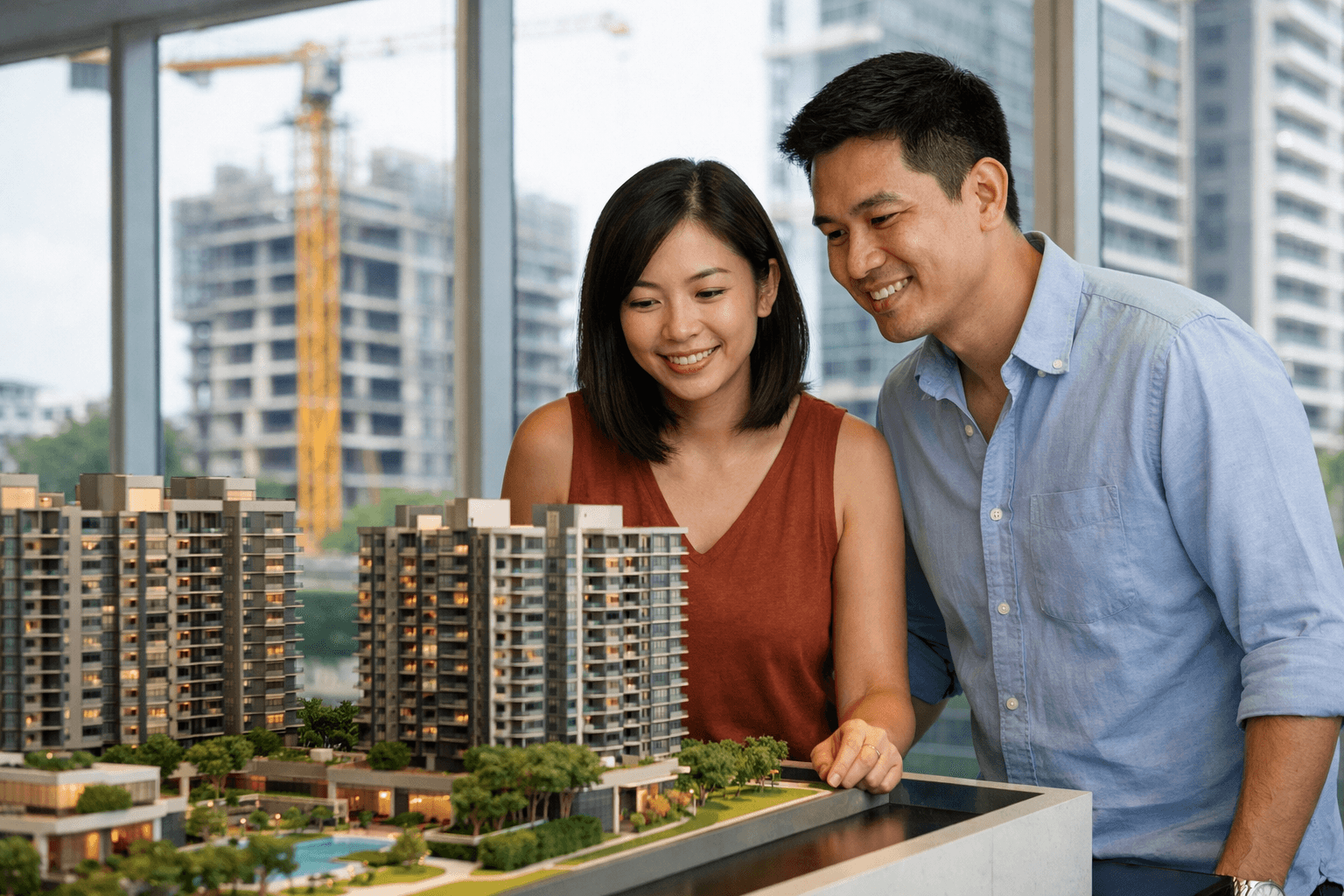
Housing Developers Rules in Singapore: What They Make a Developer Do, and What They Give a New-Launch Buyer
Every new private home or executive condominium unit sold in a project of five or more units is sold under the Housing Developers Rules: 9,538 units in 102 projects in the year to 30 August 2026. Here is what the Rules fix for you, from the booking fee and the three-week option to a contract the developer cannot rewrite.
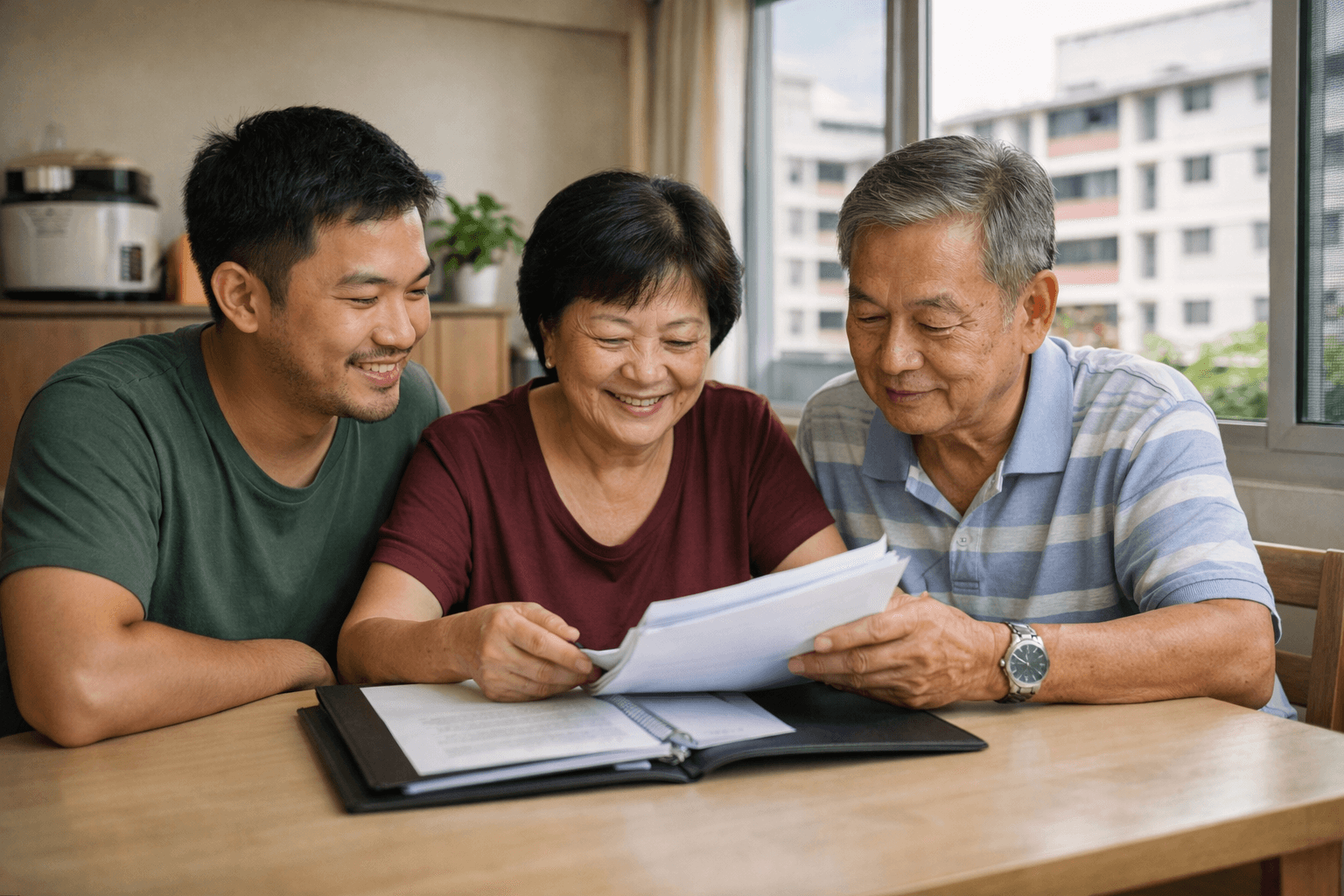
HDB Transfer of Ownership: Adding, Removing or Passing On a Flat, Who Qualifies and What It Costs
HDB lets you add, remove or replace owners only within the immediate family, when the family changes or to keep the flat. If no money changes hands beyond the CPF refund and an existing owner stays, IRAS remits buyer's and seller's stamp duty, worth $4,500 in BSD on a half share of a median $630,000 4-room flat. Here is who qualifies, the fees and the timeline.
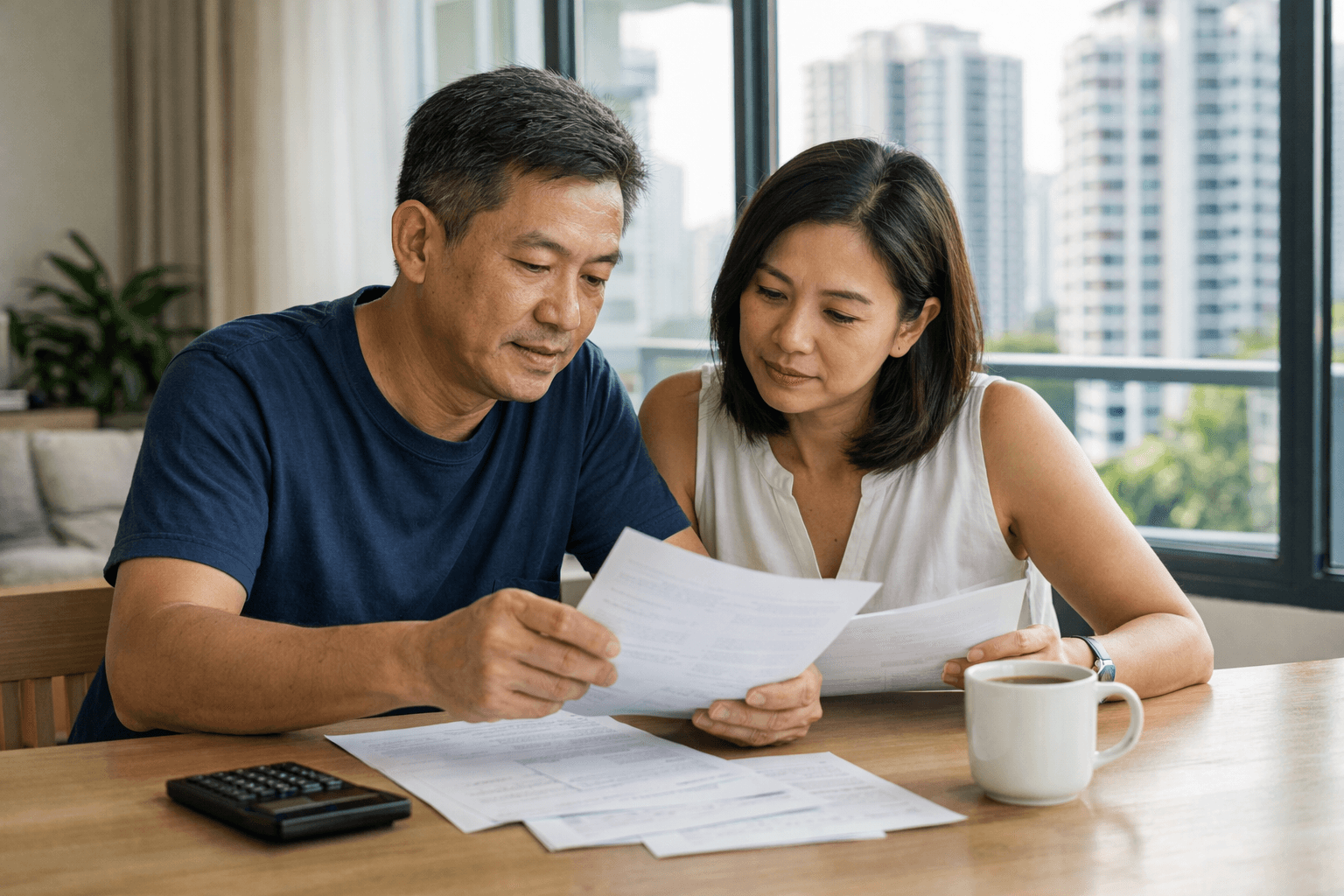
Is There Capital Gains Tax on Property in Singapore? No, but Selling Early or Trading Can Still Cost You
Singapore does not tax the capital gain when you sell a home. In the year to 30 August 2026, 95.7% of the 14,600 private resales we matched sold above their purchase price, at a median gross gain of $485,000, with no capital gains tax on any of it. The two catches are seller's stamp duty and trading.
Caveats in Singapore: Caveator vs Caveatee, How Long a Caveat Lasts and How to Remove One
A caveat is a claim flagged on a property's title. Here is who lodges one and who is notified, what it holds up, the five-year rule, the fees, how to check for one or remove one, and why 16,142 of the 25,730 private home sales in PropKaki's copy of URA's data for the year to 30 August 2026 were caveats.

99-to-1 Property Ownership in Singapore: Is It Legal, and What Does IRAS Claw Back?
A 99-to-1 purchase splits one home into two steps so that ABSD falls on a 1% share, not the whole price. IRAS found tax avoidance in 166 of the 187 cases it had finished reviewing by April 2024. How the rule works, what it costs at the median private price, and the lawful routes.

Singapore Property Laws Explained: Your Rights and the Laws Behind Them
From the HDB Act to the law behind the 38,217 salespersons and 1,015 estate agencies on CEA's register, here are the ten Acts a home buyer is most likely to meet, who applies each one, and where to turn when something goes wrong.



Explore Other Topics
Ownership & Legal — Frequently Asked
What does Ownership & Legal cover?
Owning a home in Singapore is a legal position as well as a financial one: how the title is held, what an option to purchase commits you to, what a conveyancing lawyer does, and who runs a condo's common property. These guides explain the rules behind ownership and how to prove who owns what.
Who are these Ownership & Legal guides for?
Buyers, co-owners and condo owners who want to know where they stand in law.
How many PropKaki guides cover Ownership & Legal?
PropKaki publishes 11 guides on ownership & legal, most recently updated 25 September 2026. Every guide is built on real URA, HDB and data.gov.sg data, with the working shown.
Go from reading about the market to acting on it.
Apply the analysis to your own project, budget or decision.
 PropKaki
Resale gives more certainty today; a new launch bets on TOP-date upside — it depends on your horizon.